

What to Eat on Ozempic: A Complete Guide
Read More

Medically reviewed by Alan Lucks | MD , Alan Lucks MDPC Private Practice - New York on January 17th, 2026. Published on January 17th, 2026. Updated on July 24th, 2026.
Understand how Ozempic affects appetite and digestion
Learn which foods support blood sugar control and weight management
Discover meal ideas that complement Ozempic’s effects
Find tips for managing common side effects like nausea
Explore how telehealth services like Doctronic.ai can support your Ozempic journey
Ozempic, a medication often prescribed to manage type 2 diabetes and support weight loss, works by mimicking a hormone called GLP-1. This hormone helps regulate blood sugar levels and slows stomach emptying, which can make you feel full longer. Because of these effects, your appetite and digestion will change while on Ozempic.
Understanding these changes is key to choosing the right foods. Since Ozempic slows digestion, eating heavy or hard-to-digest meals might cause discomfort. Also, because appetite decreases, smaller, nutrient-dense meals become more important to meet your body’s needs without overeating.
Many people experience nausea, bloating, or mild stomach upset when starting Ozempic. These symptoms often improve over time, but can influence what and how you eat. Choosing gentle, easy-to-digest foods can help reduce discomfort during this adjustment period.
In addition to nausea and bloating, some users report changes in taste perception, which can further complicate meal planning. Foods that once seemed appealing might lose their luster, leading to a preference for bland or familiar tastes. This shift can be particularly challenging for those who enjoy a diverse diet. It may be beneficial to experiment with various textures and flavors, incorporating more fruits, vegetables, and lean proteins that are easier on the stomach and still provide essential nutrients.
Hydration plays a crucial role in managing the side effects of Ozempic. Staying well-hydrated can help alleviate some gastrointestinal discomfort and support overall digestive health. Drinking water throughout the day, rather than consuming large amounts during meals, can also aid in digestion and help maintain a feeling of fullness without overwhelming the stomach. As you adapt to the medication, finding a balance between hydration and nutrition will be essential for optimizing your health and well-being.
Eating the right foods while on Ozempic can enhance its benefits, especially for blood sugar control and weight loss. Focus on nutrient-rich, low-glycemic foods that provide steady energy without causing spikes in blood sugar. This approach not only helps in managing your weight but also contributes to overall well-being, making it easier to maintain a balanced lifestyle.
Vegetables like broccoli, spinach, and Brussels sprouts are packed with fiber, which slows sugar absorption and supports digestion. Whole grains such as quinoa, brown rice, and oats offer sustained energy and help keep blood sugar stable. Incorporating a variety of colorful vegetables can provide essential vitamins and minerals, enhancing your immune function and overall health. For example, bell peppers and carrots are rich in antioxidants, which can combat oxidative stress in the body.
Protein helps maintain muscle mass and keeps you feeling full longer. Choose lean options like chicken breast, turkey, tofu, and fish. These proteins are easier to digest and pair well with high-fiber vegetables. Incorporating legumes such as lentils and chickpeas can be an excellent plant-based protein source, providing not only protein but also additional fiber and essential nutrients. This combination can help you feel satisfied and energized throughout the day, making it easier to resist unhealthy snacking.
Incorporate sources of healthy fats like avocados, nuts, seeds, and olive oil. These fats support heart health and can improve satiety without raising blood sugar. Omega-3 fatty acids found in fatty fish, flaxseeds, and walnuts have been shown to reduce inflammation and promote brain health. Including a variety of these healthy fats in your diet can also enhance the absorption of fat-soluble vitamins, such as vitamins A, D, E, and K, which play crucial roles in maintaining bodily functions and overall health.
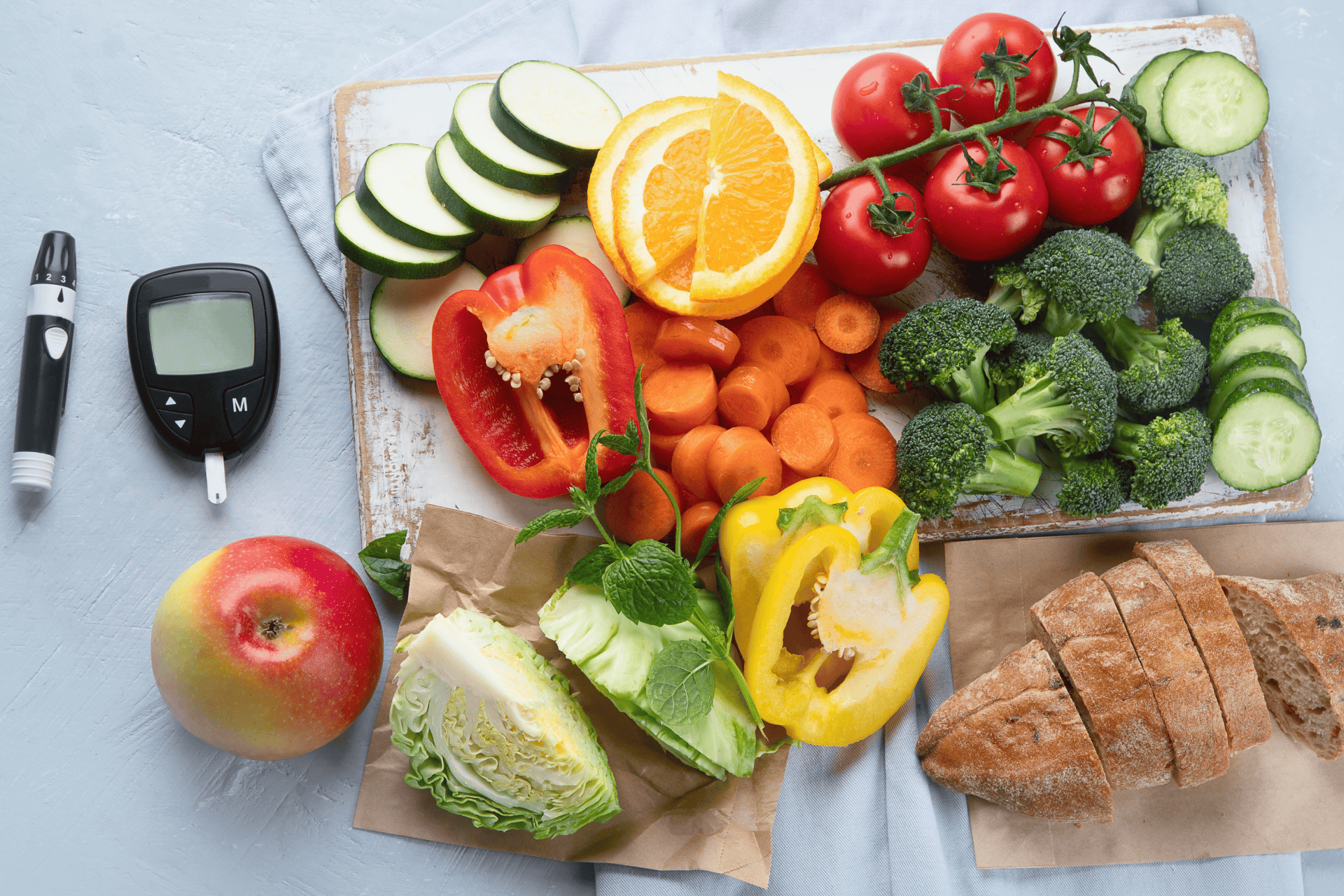 Meal Ideas That Complement Ozempic’s Effects
Planning meals that work with Ozempic’s appetite-suppressing effects can make your experience more comfortable and effective. Here are some balanced meal ideas to consider.
Greek yogurt with chia seeds, berries, and a sprinkle of nuts
Oatmeal topped with sliced almonds and cinnamon
Vegetable omelet with spinach, tomatoes, and mushrooms
Grilled salmon with quinoa and steamed broccoli
Chicken stir-fry with mixed vegetables and brown rice
Tofu salad with mixed greens, avocado, and olive oil dressing
Carrot sticks with hummus
A small handful of mixed nuts
Apple slices with natural peanut butter
Nausea and digestive discomfort are common when starting Ozempic, but certain foods and habits can ease these symptoms.
Instead of three large meals, try five or six smaller ones. This approach helps prevent overwhelming your digestive system and reduces nausea.
Foods like plain rice, bananas, toast, and applesauce are gentle on the stomach and can help settle nausea.
Drinking water throughout the day is important, but sipping too much during meals can increase fullness and discomfort.
Monitoring your health closely while on Ozempic is crucial. Telehealth services like Doctronic.ai offer convenient access to medical advice and support. Whether you have questions about side effects, diet adjustments, or medication management, expert care is just a video visit away.
Doctronic.ai provides affordable telehealth visits with licensed doctors available 24/7 across all 50 states. This flexibility means you can get personalized guidance without waiting weeks for an appointment or leaving your home.
Consistency and mindful eating habits will help you maximize the benefits of Ozempic. Here are some strategies to keep in mind:
Tracking what you eat and how you feel can reveal patterns and help you adjust your diet to minimize side effects and improve results.
Since appetite may be reduced, prioritize foods rich in vitamins, minerals, and protein to meet your nutritional needs.
Regular physical activity complements Ozempic’s effects by supporting blood sugar control and weight management.
Use telehealth platforms like Doctronic.ai to check in with healthcare providers. They can help tailor your treatment and diet plan as your needs evolve.
Remember, personalized medical advice is essential. Doctronic.ai offers fast, affordable telehealth visits with licensed doctors who can guide you through your Ozempic treatment and dietary needs. Taking advantage of such resources ensures you stay on track with your health goals safely and effectively.
While Ozempic helps control blood sugar, it’s best to limit sugary foods to avoid spikes and maintain stable glucose levels. Opt for natural sweeteners and whole fruits instead.
Alcohol can affect blood sugar and may increase side effects like nausea. If you choose to drink, do so in moderation and discuss it with your healthcare provider.
Ozempic is typically injected once weekly, and it works continuously. There is no required waiting period before eating, but following your healthcare provider’s instructions is important.
If nausea is severe or persistent, contact a healthcare professional promptly. Telehealth services like Doctronic.ai can provide quick access to medical advice.
Ozempic itself does not typically cause deficiencies, but changes in appetite might reduce nutrient intake. Eating a balanced diet and discussing supplements with your doctor can help.
Eating well on Ozempic means prioritizing small, nutrient-dense meals with lean protein, fiber-rich vegetables, whole grains, and healthy fats. These choices support blood sugar control, reduce nausea, and enhance weight loss, while telehealth support like Doctronic.ai helps personalize and adjust your plan safely.

Join 50,000+ readers using Doctronic to understand symptoms, medications,
and next steps.
Add your phone number below to get health updates and exclusive VIP offers.
By providing your phone number, you agree to receive SMS updates from Company. Message and data rates may apply. Reply “STOP” to opt-out anytime. Read our Privacy Policy and Terms of Service for more details.
Save your consults. Talk with licensed doctors and manage your health history.
