
The Pros and Cons of Using Telehealth

Medically reviewed by Alan Lucks | MD, Alan Lucks MDPC Private Practice - New York on July 27th, 2026.
Published on July 6th, 2025.
Key takeaways
Virtual consultations can reduce healthcare costs by 38% on average by eliminating transportation expenses and allowing providers to operate with lower overhead than traditional clinics.
Physical examination limitations mean conditions requiring palpation, auscultation, or visual inspection of skin lesions may be missed or misdiagnosed in up to 15% of virtual visits.
Rural patients benefit most significantly, as 77% report improved access to specialists who would otherwise require travel distances exceeding 100 miles for in-person care.
Technology barriers disproportionately affect patients over 65 and those with household incomes below $30,000, who are 3x more likely to lack reliable internet or smartphone access.
Mental health services show the highest satisfaction rates in virtual delivery, with 89% of patients reporting equivalent outcomes compared to in-person therapy sessions.
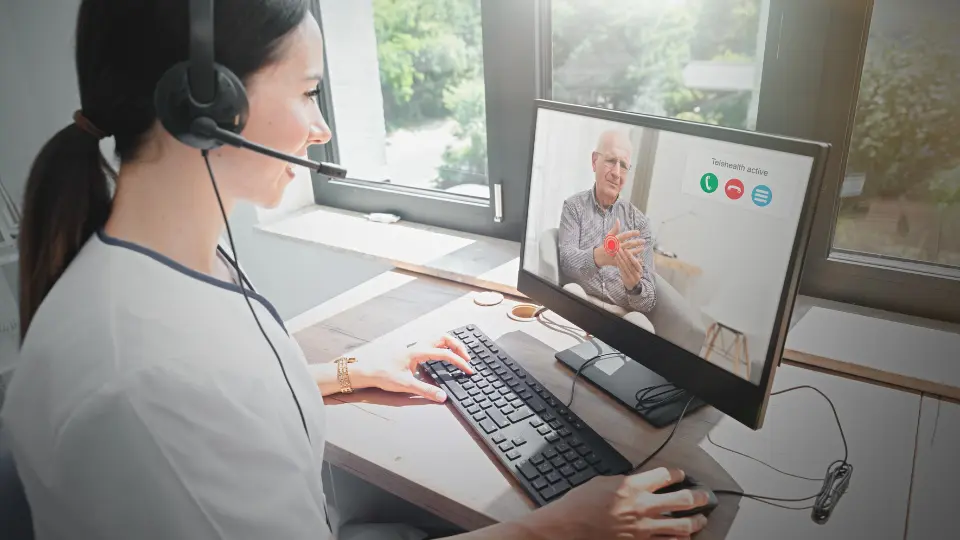
Telehealth lets you see a doctor by video, phone, or chat—no waiting room required. It's more convenient and often cheaper than in-person care, but it has real limits too. This guide breaks down the honest pros and cons of telehealth so you can decide when virtual care is the right call.
Understanding Telehealth

Telehealth encompasses a wide range of services that utilize digital communication tools to provide healthcare remotely. This includes video consultations, online prescription services, and even remote monitoring of patients' health conditions. The rise of telehealth has been accelerated by the need for social distancing during the COVID-19 pandemic, prompting many healthcare providers to adapt their services. As technology continues to evolve, telehealth is expected to integrate even more advanced tools, such as artificial intelligence and machine learning, which can enhance diagnostic accuracy and personalize patient care.
What Services Are Offered?
Telehealth services can vary significantly depending on the provider. Common offerings include virtual visits with doctors, mental health counseling, and chronic disease management. Many platforms also provide easy access to lab results and patient records, thereby enhancing the overall user experience. Additionally, telehealth can facilitate specialized services, such as nutritional counseling and physical therapy, allowing patients to receive guidance and exercises tailored to their needs without the need to travel to a clinic. This broad spectrum of services not only increases accessibility but also encourages patients to engage more actively in their own health management.
Who Can Benefit?
Telehealth is particularly beneficial for individuals living in rural areas with limited access to healthcare facilities. It also serves those with mobility issues, busy schedules, or those who prefer the convenience of receiving care from home. The flexibility of telehealth makes it an appealing option for a wide range of patients. Moreover, it can be especially advantageous for elderly patients who may find it challenging to navigate transportation or prefer the comfort of their own homes. Families with children can also benefit, as telehealth allows for quick consultations for minor ailments, reducing the need for time-consuming trips to the doctor’s office. In essence, telehealth is not just a temporary solution; it represents a significant shift in how healthcare can be delivered, making it more inclusive and responsive to the needs of diverse populations.
Pros of Using Telehealth
Telehealth offers numerous advantages that can enhance the healthcare experience for both patients and providers. Here are some of the most notable benefits:
Convenience and Accessibility
One of the most significant advantages of telehealth is its convenience. Patients can schedule appointments at times that suit them, eliminating the need for long commutes to healthcare facilities. This is particularly important for those with demanding jobs or family responsibilities. Additionally, telehealth services can be accessed from virtually anywhere, making it easier for patients to receive care when they need it. This flexibility is especially beneficial for individuals living in rural or underserved areas, where access to healthcare providers may be limited. With telehealth, patients no longer have to worry about transportation barriers or the availability of specialists in their vicinity, as they can connect with providers from the comfort of their homes.
Cost-Effectiveness
Telehealth can often be more cost-effective than traditional in-person visits. Patients save on transportation costs and time off work, while healthcare providers can reduce overhead expenses associated with maintaining physical offices. Many insurance plans now cover telehealth services, further making it a financially viable option for many individuals. Furthermore, the reduced need for physical space and resources allows healthcare organizations to allocate funds to other critical areas, such as research and development or community health initiatives. This financial efficiency can ultimately lead to better services and innovations in patient care.
Improved Patient Engagement
Telehealth platforms often come equipped with tools that encourage patient engagement. For instance, patients can access educational resources, track their health metrics, and communicate with their healthcare providers more easily. This increased engagement can lead to better health outcomes, as patients become more proactive in managing their health. Additionally, many telehealth services offer reminders for medication adherence and follow-up appointments, which can significantly enhance treatment compliance. By fostering a more interactive relationship between patients and providers, telehealth empowers individuals to take charge of their health journeys, leading to a more informed and involved patient population.
Enhanced Continuity of Care
Another key advantage of telehealth is its ability to enhance continuity of care. With the ability to easily schedule follow-up appointments or consultations, patients can maintain consistent communication with their healthcare providers. This is particularly crucial for individuals managing chronic conditions, as regular check-ins can help monitor progress and adjust treatment plans as necessary. Telehealth also facilitates the sharing of medical records and test results in real-time, ensuring that all parties involved in a patient's care are on the same page. This seamless flow of information can lead to more coordinated care, reducing the risk of errors and improving overall patient safety.
Broader Range of Services
Telehealth is not limited to just primary care; it encompasses a wide range of services, including mental health counseling, physical therapy, and even dermatology consultations. This diversity allows patients to access specialized care without the need for multiple appointments or referrals. For instance, mental health services have seen a significant uptick in telehealth utilization, providing individuals with the support they need in a more comfortable and private setting. This broad spectrum of services can help address various health concerns in a holistic manner, ultimately leading to a more comprehensive approach to patient care.
Cons of Using Telehealth
While telehealth presents several advantages, it is essential to consider the potential drawbacks as well. Here are some challenges associated with telehealth:
Limited Physical Examination
One of the most significant limitations of telehealth is the inability to conduct a physical examination. Certain conditions require hands-on assessment, and virtual consultations may not provide enough information for accurate diagnosis. This can lead to misdiagnoses or delays in treatment, particularly for complex health issues. For instance, a patient with abdominal pain may need a physical examination to determine the underlying cause, such as appendicitis or gallstones, which cannot be effectively diagnosed through a video call alone. Furthermore, the absence of immediate diagnostic tests, like blood work or imaging, can prolong the diagnostic process and delay necessary interventions.
Technology Barriers
Not everyone has access to the necessary technology or internet connectivity required for telehealth services. This can create disparities in healthcare access, particularly for older adults or those living in underserved areas. Additionally, some patients may not be comfortable using digital tools, which can hinder their ability to take advantage of telehealth options. For example, individuals who are not tech-savvy may struggle with downloading apps or navigating online portals, leading to frustration and potentially missed appointments. Moreover, technical issues such as poor video quality or dropped connections can disrupt consultations, making it challenging for both patients and providers to communicate effectively.
Privacy Concerns
Privacy and security are critical considerations when using telehealth services. Patients may feel uneasy about sharing sensitive health information over digital platforms, especially if they are unsure about the security measures in place. Healthcare providers must ensure that they are using secure systems to protect patient data and maintain confidentiality. This concern is heightened in cases where patients discuss sensitive topics, such as mental health or sexual health issues, which require a higher level of confidentiality. Additionally, with the rise of cyber threats, the potential for data breaches poses a significant risk, leading to increased anxiety among patients regarding the safety of their personal information.
Dependence on Self-Reporting
Another challenge of telehealth is the reliance on patients to accurately self-report their symptoms and medical history. During a traditional in-person visit, healthcare providers can ask probing questions and observe nonverbal cues that may provide additional context for a patient's condition. However, during a telehealth appointment, the patient often bears the responsibility of clearly and comprehensively conveying their symptoms. This can result in incomplete information being shared, which may compromise the provider's ability to make informed decisions about treatment. Furthermore, some patients may inadvertently downplay their symptoms or fail to mention relevant medical history due to the virtual setting, which can complicate the diagnostic process.
When Telehealth Is the Better Choice (and When It Isn't)
Understanding when to choose telehealth versus an in-person visit can save you time, money, and frustration. Neither option is universally better — the right choice depends on what you need.
Telehealth works well for:
Common infections and minor illnesses. Sinus infections, UTIs, pink eye, and cold symptoms are routinely and safely handled over video. A provider can review your symptoms, ask the right questions, and send a prescription to your pharmacy — often in under 30 minutes.
Mental health support. Therapy, medication management for anxiety or depression, and follow-up psychiatric care are among the most widely accepted telehealth use cases. Many patients report feeling more comfortable discussing mental health from home than in a clinical setting.
Chronic disease management. If you have diabetes, high blood pressure, or asthma, regular check-ins with your care team don't always require a physical. Reviewing lab results, adjusting medications, and discussing symptoms are all things a telehealth provider can handle well.
Prescription refills. Renewing a medication you've been stable on is a natural fit for a virtual visit. It's faster, and it keeps your prescription active without an unnecessary trip.
Second opinions and care coordination. Getting a second look at a diagnosis or connecting with a specialist in another city is far easier when geography isn't a barrier.
When you should go in person:
You have chest pain, difficulty breathing, or any symptom that may be a medical emergency — call 911 or go to an emergency room.
You need a physical exam, such as a skin biopsy, pelvic exam, or joint assessment.
Your symptoms are severe, worsening quickly, or don't fit a clear pattern.
You need imaging (X-ray, MRI, CT scan) or in-office lab work.
You've had a telehealth visit for the same problem and haven't improved.
Our AI doctor at Doctronic is a good starting point when you're not sure which path to take. Describe your symptoms and get an evidence-based assessment in seconds — then decide whether a virtual visit, an in-person appointment, or self-care is the right next step. Most of the time, you'll have your answer without ever leaving home.
Evaluating Telehealth Platforms
When considering telehealth, it is crucial to evaluate different platforms to find one that meets specific needs. Here are some factors to consider:
User Experience
The user experience can significantly impact the effectiveness of telehealth services. A platform that is easy to navigate and offers clear instructions can enhance the overall experience for patients. Look for platforms that provide intuitive interfaces and customer support to assist users as needed.
Range of Services
Different telehealth platforms offer varying services. Some may focus primarily on urgent care, while others provide a broader range of specialties, including mental health, chronic disease management, and preventive care. It is essential to choose a platform that aligns with individual healthcare needs.
Integration with Existing Healthcare
For those already receiving care from a healthcare provider, it is beneficial to select a telehealth platform that integrates seamlessly with existing medical records and care plans. This ensures continuity of care and allows healthcare providers to have a comprehensive view of the patient's health history.
Doctronic.ai: A Leading Telehealth Solution
For those seeking a reliable telehealth platform, Doctronic.ai stands out as an exceptional option. Offering a user-friendly interface and a wide range of services, Doctronic.ai makes it easy for patients to access the care they need from the comfort of their homes.
Features of Doctronic.ai
Doctronic.ai provides various features designed to enhance the telehealth experience. Patients can schedule appointments, access their medical records, and communicate directly with healthcare providers through secure messaging. The platform also offers educational resources to empower patients in managing their health.
Accessibility and Support
One of the key strengths of Doctronic.ai is its commitment to accessibility. The platform is designed to be user-friendly, ensuring that individuals of all ages can navigate it with ease. Additionally, the customer support team is available to assist users with any questions or technical issues they may encounter.
See a doctor online today
A licensed doctor can review your symptoms online, talk through next steps, and send a prescription to your pharmacy if appropriate.
- $39 video visit
- Insurance accepted
- 4.8 on Trustpilot
The Future of Telehealth
As technology continues to evolve, the future of telehealth looks promising. Innovations such as artificial intelligence and machine learning are expected to play a significant role in enhancing telehealth services. These advancements could lead to more personalized care, improved diagnostic tools, and better patient outcomes.
Integration with Wearable Technology
Wearable technology, including fitness trackers and smartwatches, is gaining popularity. The integration of telehealth with these devices could provide healthcare providers with real-time data on patients' health metrics, allowing for more proactive care. This could be particularly beneficial for managing chronic conditions such as diabetes or hypertension.
Expanding Access to Care
As telehealth becomes more mainstream, efforts are being made to expand access to underserved populations. This includes initiatives to improve internet connectivity in rural areas and provide training for individuals who may be unfamiliar with digital healthcare tools. By addressing these barriers, telehealth can become a more inclusive option for all patients.
Telehealth’s Expanding Role
Telehealth works best for non-emergency issues—infections, mental health, chronic disease check-ins, and prescription refills. If you need a physical exam, imaging, or urgent in-person care, virtual visits have clear limits. Knowing which situations suit telehealth helps you get the right care at the right time.
Choosing the right telehealth platform, such as Doctronic.ai, can enhance the overall experience and ensure that patients receive the care they need. As technology continues to advance, the future of telehealth holds great promise, paving the way for more accessible and personalized healthcare solutions.
Experience the Future of Healthcare with Doctronic
Embrace the cutting-edge convenience of telehealth with Doctronic, the #1 AI Doctor. Our platform offers free AI doctor visits, providing you with accurate diagnoses in seconds, and the option for affordable video visits with our doctors anytime, anywhere. With over 10 million satisfied users, Doctronic is transforming direct-to-patient care by leveraging the power of AI to deliver personalized, peer-reviewed medical expertise. Say goodbye to waiting rooms and experience healthcare that's faster, smarter, and more personal. Skip the line. Talk to an AI Doctor Now, for free.
Frequently Asked Questions
Telehealth works well for non-emergency conditions like UTIs, sinus infections, cold and flu symptoms, mental health support, chronic disease check-ins, and prescription refills. It's also useful for follow-up appointments after an in-person visit. Conditions that require a physical exam, imaging, or lab work are better handled in person.
Most major insurance plans, including Medicare and Medicaid, now cover at least some telehealth services — especially after coverage expansions that followed the COVID-19 pandemic. Coverage rules vary by plan, state, and the type of visit, so it's worth checking with your insurer before your appointment. Many telehealth platforms also offer affordable self-pay options.
For many common conditions, telehealth can be just as effective as seeing a doctor in person. Studies show high patient satisfaction and comparable outcomes for conditions that don't require a physical exam. However, telehealth has real limitations — a provider can't listen to your lungs, feel for swollen lymph nodes, or order an on-site test during a virtual visit, so in-person care is still essential for more complex or ambiguous cases.
The biggest drawbacks are the inability to do a physical examination, reliance on patient self-reporting, technology barriers for some users, and potential privacy concerns around digital health data. Not all conditions can be safely or accurately assessed over video, and poor internet connectivity can disrupt visits. Being aware of these limits helps you use telehealth appropriately.
Doctronic combines AI-powered symptom assessment with access to real doctors, giving you a fast, evidence-based starting point at no cost. Our AI doctor can evaluate your symptoms in seconds and help you understand whether you need a virtual visit, an in-person appointment, or simple self-care. It's designed to be accessible to everyone — no appointment required to get started.
The Bottom Line
Virtual care works best for routine follow-ups, mental health services, and chronic disease monitoring, but falls short when physical examination is crucial for diagnosis. Choose platforms that integrate with your existing medical records and offer secure, HIPAA-aligned communication. For convenient access to quality virtual consultations, Doctronic connects you with healthcare providers quickly and securely.
References
Related articles
Controlled Pain Medications Telehealth Laws by State: What's Legal Where
Hormone Replacement Therapy Telehealth Laws by State: What's Legal Where

Online Dermatologist Visits: What to Expect and When They Make Sense


How To Refill A Prescription Without Seeing A Doctor: 5 Legal Methods
How to Prepare for a Telehealth Visit: A Step-by-Step Checklist
Find the right care
Chat Now