
Prior Authorization for Zepbound - What’s Required

Medically reviewed by Alan Lucks | MD, Alan Lucks MDPC Private Practice - New York on November 24th, 2025.
Published on November 23rd, 2025. Updated on July 23rd, 2026.
Key takeaways
Insurance companies require BMI documentation of 30 kg/m² or higher for at least 6 months, plus evidence of failed attempts with diet, exercise, or other weight loss medications before approving coverage.
Tirzepatide (Zepbound) prior authorization typically takes 3 to 7 business days but can extend to 30 days if additional documentation is requested or an appeal is filed.
Common denial reasons include insufficient documentation of comorbidities like sleep apnea, contraindications such as a personal or family history of medullary thyroid carcinoma, or lack of supervised weight management attempts.
Healthcare providers must submit detailed records including current weight, BMI calculations, comorbidity diagnoses (diabetes, hypertension, sleep apnea), and documentation of at least 3 to 6 months of previous weight loss efforts.
Appeal success rates improve significantly when providers include peer-reviewed studies supporting tirzepatide's efficacy and detailed patient-specific medical necessity justifications beyond basic eligibility criteria.
A Holistic Approach to Zepbound Treatment and Patient Support
Zepbound (tirzepatide) prior authorization requires insurers to confirm medical necessity before covering this once-weekly weight-loss injection. Most plans require a BMI of 30 or higher, documented failed weight-loss attempts, and relevant comorbidities. Knowing these criteria upfront can cut approval times significantly and get treatment started sooner.
The role of telehealth in modern healthcare cannot be overstated, especially in the context of chronic disease management. Doctronic.ai not only facilitates easier access to healthcare professionals but also enables patients to manage their health from home. This is particularly beneficial for individuals who may have mobility challenges or live in remote areas. By leveraging technology, patients can receive timely consultations, follow-ups, and adjustments to their treatment plans, ensuring that they remain on track with their weight management goals while minimizing the barriers that often accompany traditional healthcare settings.
Understanding Zepbound and Its Uses
What Is Zepbound?
Zepbound, known generically as tirzepatide, is a once-weekly injectable medication approved by the FDA for adults struggling with obesity or being overweight. It also helps improve moderate to severe obstructive sleep apnea (OSA) when related to excess weight. Unlike traditional sleep medications, Zepbound works by activating hormone pathways, specifically GIP and GLP-1 receptors, that regulate appetite, digestion, and insulin release. This results in reduced hunger and slower stomach emptying, supporting sustained weight loss.
How Zepbound Impacts Obstructive Sleep Apnea
OSA occurs when the airway collapses during sleep, often worsened by fat deposits around the throat. By promoting weight loss, Zepbound indirectly reduces these fat deposits, easing airway obstruction. This can significantly improve OSA symptoms, but it is important to note that Zepbound is not a direct sleep aid. Patients with OSA caused by anatomical issues unrelated to obesity may not experience the same benefits.
Why Prior Authorization Is Needed for Zepbound
Insurance Requirements and Medical Necessity
Because Zepbound is a relatively new and specialized medication, most insurance companies require prior authorization before covering its cost. This process confirms the medication is prescribed for an appropriate patient and that other treatments have been tried first. Meeting Zepbound prior authorization criteria, including BMI thresholds and comorbidity documentation, is the most direct path to approval.
Typical Documentation for Prior Authorization
Providers must submit detailed information to insurance companies to secure approval. This usually includes:
Patient’s body mass index (BMI) confirms obesity or overweight status
Medical history showing previous weight loss attempts through diet, exercise, or other medications
Diagnosis of obesity-related conditions, such as OSA
Evidence that the patient does not have contraindications like a personal or family history of medullary thyroid carcinoma (MTC) or multiple endocrine neoplasia syndrome type 2 (MEN2)
Providing thorough and accurate documentation speeds up the approval process, reducing delays in starting treatment.
Zepbound Prior Authorization Criteria: What Insurers Look For
Insurance plans do not all use the same checklist, but most follow guidelines rooted in the FDA-approved indication for tirzepatide. Understanding the common criteria before your provider submits a request can reduce back-and-forth and speed up approval.
BMI and Weight Requirements
Most insurers require a documented BMI of 30 kg/m² or higher (obesity), or a BMI of 27 kg/m² or higher with at least one weight-related condition such as type 2 diabetes, hypertension, or obstructive sleep apnea. BMI measurements typically need to be recorded over a period of at least six months to confirm chronic obesity rather than a short-term fluctuation.
Evidence of Prior Weight Management Efforts
A single office visit mentioning weight loss is rarely sufficient. Insurers generally want to see three to six months of documented participation in a supervised diet and exercise program, or a record of previous weight-loss medications that did not produce adequate results. Chart notes, dietitian referrals, and pharmacy records all count as supporting evidence.
Comorbidity Documentation
Diagnoses such as sleep apnea, type 2 diabetes, high blood pressure, and high cholesterol strengthen a prior authorization request by establishing medical necessity beyond weight alone. Providers should include relevant lab results, sleep study reports, and current medication lists when submitting.
Contraindication Screening
Insurerss and prescribers must confirm that the patient does not have a personal or family history of medullary thyroid carcinoma or multiple endocrine neoplasia syndrome type 2, as these are hard contraindications for tirzepatide. Pancreatitis history may also trigger additional review.
What Happens After Submission
Once a complete prior authorization request is submitted, most insurers respond within 3 to 7 business days for standard reviews. Urgent reviews can be completed in 24 to 72 hours. If the initial request is denied, a provider-led appeal that includes peer-reviewed clinical data on tirzepatide's efficacy and a detailed letter of medical necessity improves the odds of reversal. Keeping copies of every document submitted and following up proactively with the insurer are practical steps that prevent unnecessary delays.
How to Navigate the Prior Authorization Process
Working with Your Healthcare Provider
Getting prior authorization starts with a healthcare provider who can evaluate your medical history and determine if Zepbound is appropriate. This includes discussing your weight management goals, any related health conditions, and potential risks. Your provider will then submit the necessary paperwork to your insurance company.
Using Telehealth to Simplify Access
Doctronic.ai offers an efficient way to connect with licensed doctors who understand the prior authorization process for medications like Zepbound. Doctronic provides affordable video visits 24/7 across all 50 states, making it easy to get expert medical advice and prescriptions without leaving home. Their AI-powered system remembers your health history and delivers personalized care quickly, which can be invaluable when navigating insurance requirements.
Tips for a Smooth Authorization Experience
Be proactive: Ask your provider about prior authorization early in your treatment plan.
Keep records: Maintain copies of all submitted documents and correspondence with your insurer.
Follow up: If approval is delayed, contact your provider or insurer to check the status.
Consider telehealth: Doctronic can help expedite evaluations and documentation.
What to Expect When Using Zepbound
Administration and Dosing
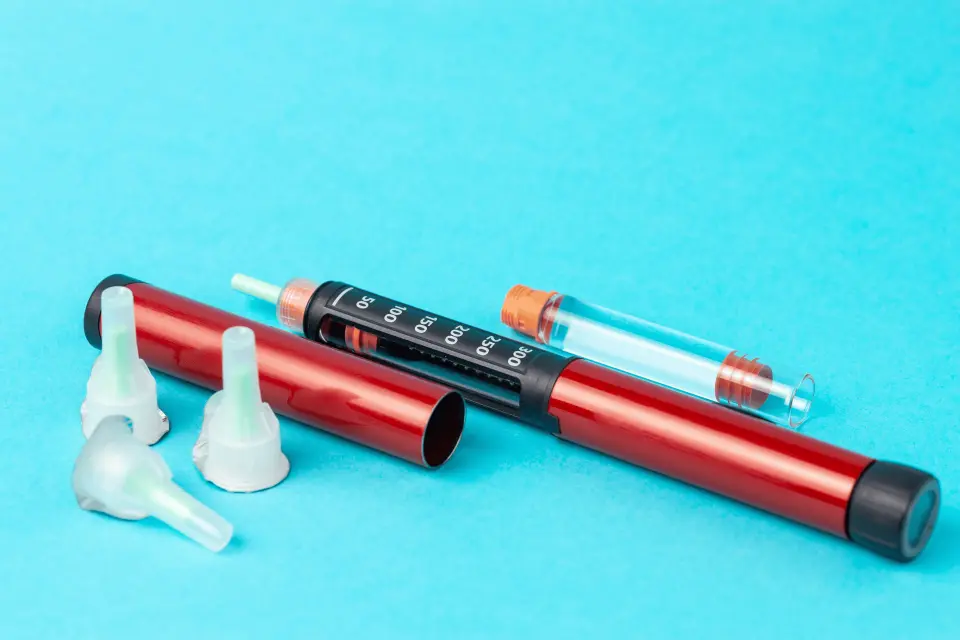
Zepbound is administered as a once-weekly injection. Consistency is key to maintaining stable drug levels and maximizing its effectiveness. Missing doses or irregular use can reduce the medication’s benefits and potentially cause side effects.
Possible Side Effects and Precautions
Possible side effects include nausea, reduced appetite, allergic reaction, diarrhea or constipation, and abdominal discomfort. These symptoms often improve as the body adjusts to the medication. However, patients with a personal or family history of certain thyroid cancers should avoid Zepbound due to increased risk. Always communicate any side effects or concerns with your healthcare provider promptly.
Combining Zepbound with Lifestyle Changes
Medication alone is rarely enough for long-term success. Patients using Zepbound should also adopt healthy eating habits, engage in regular physical activity, and attend regular medical follow-ups. This comprehensive approach not only enhances weight loss but also improves overall metabolic health and reduces the severity of obesity-related conditions.
Get Zepbound online today
A licensed doctor can review your symptoms and, if appropriate, send a prescription for Zepbound to your pharmacy, often the same day.
- $39 video visit
- Insurance accepted
- 4.8 on Trustpilot
Related medications we prescribe
- Zepbound tirzepatide 15mg
- Wegovy semaglutide 2.4mg
- Saxenda liraglutide 3mg
- Mounjaro tirzepatide 10mg
- Wegovy Injector
Why Choose Doctronic for Your Telehealth Needs
AI-Powered Primary Care at Your Fingertips
Doctronic is transforming healthcare with its AI doctor, offering fast, modern, and personalized care. Unlike traditional telehealth services, Doctronic’s AI synthesizes the latest peer-reviewed medical research to provide accurate answers and treatment recommendations in seconds. It remembers your medical history and adapts over time, ensuring care that feels truly personal.
Accessible and Affordable Care Anytime
With over 10 million users and growing, Doctronic offers free AI doctor visits through their website, plus affordable video consultations with licensed doctors for less than $40. Available 24/7 across all 50 states, Doctronic makes it easier than ever to get the care and prescriptions you need, including help with prior authorizations for medications like Zepbound.
Getting Started with Zepbound and Prior Authorization
Steps to Take
Consult a healthcare provider to evaluate if Zepbound fits your treatment plan.
Gather necessary medical documentation, including BMI and weight loss history.
Submit a prior authorization request through your provider or telehealth service.
Follow up with your insurer and provider to ensure timely approval.
Begin treatment with consistent dosing and lifestyle changes under medical supervision.
Where to Find Support
Using a trusted telehealth platform like Doctronic.ai can make these steps smoother. Their combination of AI-driven insights and licensed physician access provides a seamless experience from diagnosis to treatment and ongoing care.
Prior Authorization for Zepbound
Prior authorization for Zepbound is a sometimes a necessary step to ensure that this powerful medication is used safely and effectively for those who need it most. Understanding the requirements and working closely with your healthcare provider can minimize delays and maximize treatment success. Telehealth services like Doctronic.ai offer a modern, accessible way to navigate this process, making expert care and medication management more convenient than ever.
Frequently Asked Questions
Most insurance plans require a BMI of 30 kg/m² or higher, or a BMI of 27 kg/m² or higher with at least one weight-related condition such as type 2 diabetes or hypertension. The BMI must typically be documented over a minimum of six months. Your provider can verify the exact threshold your plan uses before submitting the request.
Standard prior authorization reviews usually take 3 to 7 business days after a complete request is submitted. If the insurer requests additional records, or if an appeal is needed, the process can extend to 30 days or more. Submitting thorough documentation the first time is the best way to avoid delays.
The most common denial reasons include missing comorbidity documentation, no record of prior supervised weight-loss attempts, and contraindications such as a personal or family history of medullary thyroid carcinoma. Incomplete BMI history is another frequent issue. Addressing these gaps before submission significantly reduces the chance of denial.
Yes, and appeals are often successful when providers submit additional supporting information. A strong appeal typically includes a letter of medical necessity, peer-reviewed studies on tirzepatide's efficacy, and any missing comorbidity records. Our AI doctor can help you understand what documentation to gather before your provider files an appeal.
Coverage varies by plan and state. Many Medicare Advantage plans include Zepbound coverage subject to prior authorization, while traditional Medicare Part D coverage depends on the specific plan formulary. Medicaid coverage for tirzepatide is expanding but is not yet universal across all states. Checking with your specific plan or speaking with our AI doctor is the fastest way to confirm your coverage.
The Bottom Line
Successfully obtaining prior authorization for Zepbound requires comprehensive documentation of obesity diagnosis, failed weight loss attempts, and relevant comorbidities, a process that can take several weeks. Working with providers experienced in weight management authorizations and maintaining detailed medical records significantly improves approval odds. If you're navigating insurance coverage questions or authorization delays, Doctronic can help clarify your options quickly.
Related articles
Get weight loss guidance
Chat Now