
Benzac Dosage Guide: How Much to Take and When (With Chart)

Medically reviewed by Alan Lucks | MD, Alan Lucks MDPC Private Practice - New York on December 17th, 2025.
Published on December 16th, 2025. Updated on July 23rd, 2026.
Key Takeaways
Benzac is a topical acne treatment containing benzoyl peroxide, used to reduce bacteria and clear acne lesions.
Dosage varies by formulation strength and skin sensitivity; typical strengths range from 2.5% to 10% applied once or twice daily.
Start with lower strengths to minimize irritation, especially for sensitive or dry skin types.
Consistent use as directed is essential for the best results; overuse can cause dryness and redness.
Consult a healthcare provider or use telehealth services like Doctronic.ai for personalized dosage advice and treatment guidance.
Understanding Benzac Uses and Dosages
Benzac is a topical acne treatment whose active ingredient is benzoyl peroxide (BPO). It comes in gel, cream, and wash forms at 2.5%, 5%, and 10% strengths, applied once or twice daily to affected areas. Getting the right Benzac gel dosage matters — too little may not clear breakouts, while too much raises the risk of dryness and irritation.
This guide walks you through the typical Benzac dosages, how to adjust usage based on your skin type, and what to expect when using Benzac. Whether you’re new to this treatment or looking to optimize your skincare routine, understanding dosage is key.
Benzac Dosage Chart
Benzac Dosage by Condition
Mild to Moderate Acne
For mild to moderate acne, a 2.5% or 5% Benzac gel or cream applied once or twice daily is common. This dosage helps reduce bacteria and inflammation effectively while minimizing side effects.
Severe Acne
Severe acne may require higher strengths or combination therapy. Benzac 10% gel or wash might be used, but only under medical supervision. Combining Benzac with other treatments like topical antibiotics or retinoids is often necessary.
What is the Typical Benzac Dose for Adults?
Adults typically use Benzac gels or creams in concentrations of 2.5%, 5%, or 10%. The usual dose is a thin layer applied once or twice daily to the affected areas. Starting low and increasing as tolerated is the safest approach.
What is the Typical Benzac Dose for Children?
Benzac can be used in children, but caution is advised. Lower concentrations and less frequent application are preferred. It’s best to consult a healthcare provider before starting Benzac for a child, especially one under 12 years old.
What to Do If You Miss a Dose of Benzac?
If you miss a dose, apply it as soon as you remember, unless it’s close to the next scheduled dose. Do not double the dose to catch up, as this can increase the risk of irritation. Maintaining a regular routine is more important than occasional missed doses.
How to Adjust Your Benzac Dose for Certain Medical Conditions
Sensitive or Dry Skin
If you have sensitive or dry skin, start with the lowest strength and apply once daily. Using a gentle moisturizer alongside Benzac can help reduce irritation. If redness or peeling occurs, reduce frequency or discontinue use temporarily.
Other Skin Conditions
People with eczema, rosacea, or other skin conditions should consult a dermatologist before using Benzac. Adjustments in strength and frequency may be necessary to avoid worsening symptoms.
Benzac Overdose and Warnings
While topical Benzac overdose is rare, excessive application can cause severe skin irritation, redness, and peeling. Avoid contact with eyes and mucous membranes. If severe irritation or allergic reaction occurs, discontinue use and seek medical advice immediately.
Tips for Taking Benzac Safely
Starting With the Right Strength
For those new to Benzac, starting with 2.5% benzoyl peroxide is recommended — it is as effective as higher strengths for many people and causes less dryness. If your skin tolerates 2.5% well after 4 weeks, you can step up to 5%. Reserve 10% for cases where lower strengths haven't worked, and only use it under a provider's guidance.
Application Tips
Apply Benzac to clean, dry skin. Use a thin layer only on affected areas, avoiding sensitive parts like the eyes, mouth, and nostrils. If using a wash, apply it gently and rinse thoroughly after the recommended time. Moisturizing after application can help combat dryness.
Frequency of Use
Most people apply Benzac once or twice daily. Starting with once daily can reduce irritation, then increasing frequency if needed. Consistency is key to seeing results, which typically appear after 4 to 6 weeks of regular use.
Start with a lower concentration to minimize irritation.
Apply a thin layer only to affected areas.
Use a moisturizer to combat dryness.
Avoid excessive sun exposure and use sunscreen.
Do not combine with other harsh acne treatments without medical advice.
Consult a healthcare provider if you experience severe irritation or no improvement after 8 weeks.
Benzac 5% vs 10%: Which Strength Is Right for You?
One of the most common questions about Benzac dosage is whether to use the 5% or 10% formulation. The short answer: most people do better starting with 5%, and many never need to go higher.
Benzac AC 5% (benzoyl peroxide 5%)
Benzac AC 5% is the most widely recommended starting strength for mild to moderate acne. Studies comparing 5% and 10% benzoyl peroxide consistently show similar effectiveness for reducing acne lesions, with 5% causing noticeably less dryness, peeling, and redness. This makes it the better first choice for most skin types, including normal and combination skin. It is also the preferred option for teenagers using Benzac for the first time.
Benzac 10% (benzoyl peroxide 10%)
The 10% formulation delivers a higher concentration of benzoyl peroxide to the skin. It can work faster in some people with moderate to severe acne who have not responded to lower strengths. However, the higher dose significantly increases the risk of side effects — particularly skin dryness, peeling, and photosensitivity. If you want to try 10%, do so under the guidance of a dermatologist or telehealth provider who can monitor your response and adjust your routine.
Sensitive skin considerations
If your skin is dry, sensitive, or prone to eczema, the 2.5% formulation is likely your best entry point. Some people with sensitive skin find that even Benzac 5% is too irritating. In those cases, alternating days — applying every other day to start — can help your skin build tolerance gradually.
Quick comparison
Benzac 2.5%: Best for sensitive or dry skin; gentlest on the skin barrier.
Benzac AC 5%: Best for most acne types; strong effectiveness with manageable side effects.
Benzac 10%: Reserved for stubborn moderate-to-severe acne; higher irritation risk.
Tips for choosing your strength
When in doubt, start low and go slow. Give any new strength at least 4 weeks before deciding it isn't working — benzoyl peroxide takes time to reduce the bacteria and inflammation driving breakouts. If you are unsure which Benzac dosage fits your skin and acne type, our AI doctor can review your history and help you choose.
Learn More About Benzac Dosage With Doctronic
Personalizing your Benzac dosage can make a significant difference in treatment success. Doctronic.ai uses advanced AI to provide tailored medical advice based on your unique skin type, acne severity, and medical history. You can also connect with licensed doctors for telehealth video visits anytime, anywhere in the U.S., making it easier to get expert guidance without leaving home.
Doctronic’s AI doctor remembers your previous visits and health details to offer smarter, faster, and more personal care. This can be especially helpful if you’re unsure about how to adjust your Benzac usage or if you experience side effects. Visit Doctronic.ai to explore personalized acne treatment options today.
The Bottom Line About Benzac Dosages
Benzac remains a cornerstone in acne treatment due to its effectiveness and accessibility. Understanding the right dosage and application method is essential to maximize benefits and minimize side effects. Starting low, applying consistently, and adjusting based on your skin’s response are key steps.
For personalized advice and convenient access to medical professionals, consider telehealth platforms like Doctronic.ai. They offer expert guidance tailored to your needs, helping you get clearer skin safely and efficiently.

Frequently Asked Questions
Using Benzac more than twice daily is generally not recommended as it can cause excessive dryness and irritation. Follow product instructions or your doctor’s advice.
Benzoyl peroxide, the active ingredient in Benzac, is generally considered low risk during pregnancy because very little is absorbed through the skin. That said, it is always wise to check with your OB or a telehealth provider before adding any new topical treatment during pregnancy. Our AI doctor can help you weigh your options quickly.
Most people notice fewer new breakouts within 2 to 4 weeks of consistent Benzac use, with more visible clearing appearing by weeks 6 to 8. Full results can take up to 12 weeks. Consistency matters more than strength — applying a lower dose every day outperforms sporadic use of a higher dose.
Yes, benzoyl peroxide can bleach fabrics. Allow the product to dry completely before contact with clothing or bedding.
Reduce frequency of application, switch to a lower strength, or use a moisturizer. If irritation persists, consult a healthcare provider.
Telehealth services like [Doctronic.ai](https://doctronic.ai) offer personalized consultations with licensed doctors who can help tailor your Benzac treatment.
Related articles
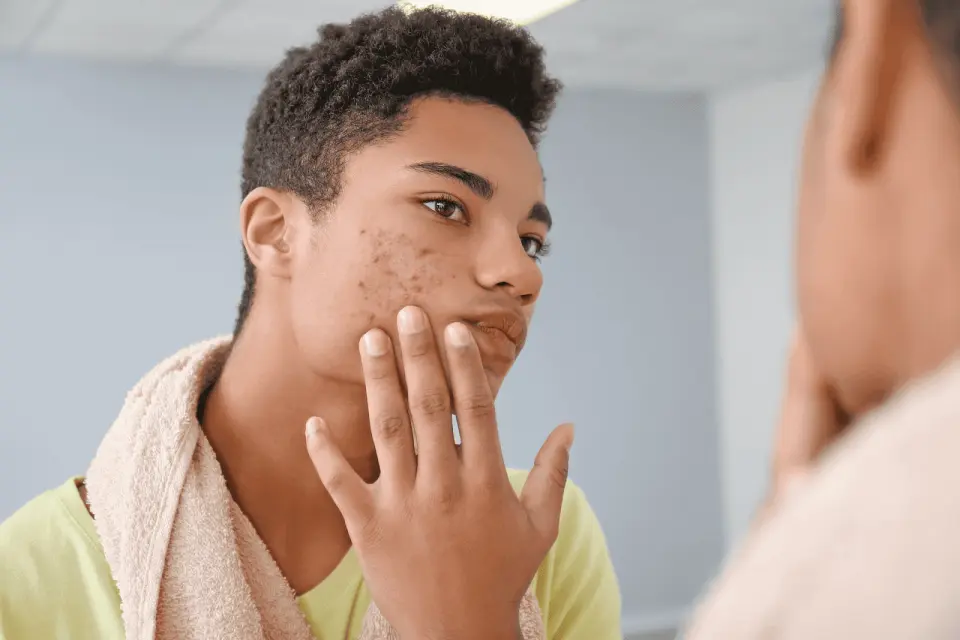
How to Calm an Anxiety Attack: Techniques That Work in the Moment

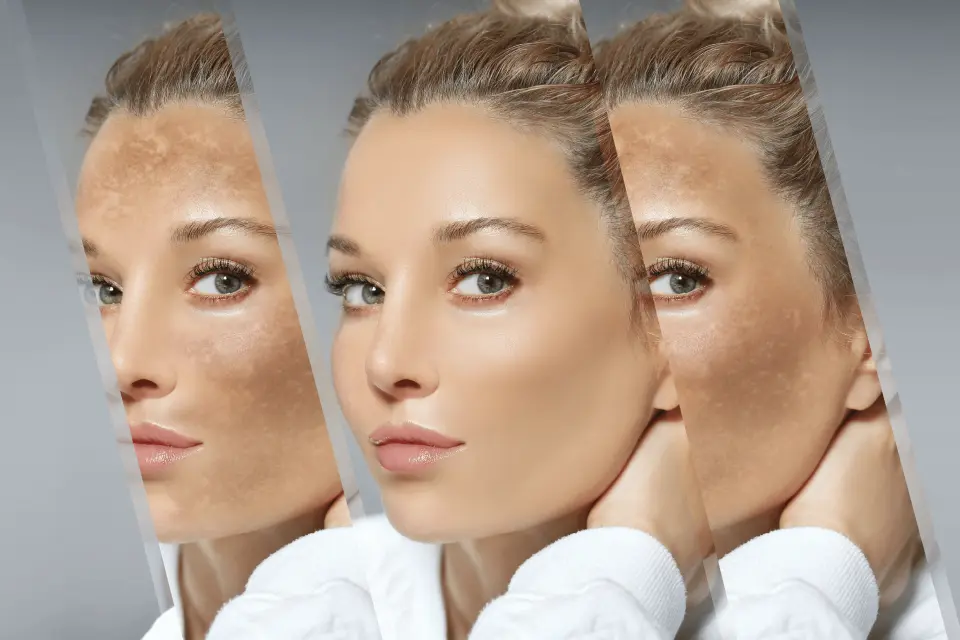
Melasma vs. Hyperpigmentation: Key Differences and Treatment Approaches

Sun Allergy: Why Your Skin Reacts to UV and How to Manage It
Poison Ivy Rash Stages: What to Expect from Day 1 to Full Healing

Can Allergies Make You Feel Sick? Spring Allergy Symptoms That Mimic Illness

Supplements for Depression: What the Evidence Says About Natural Options

Plantar Fasciitis Treatment: A Runner's Guide to Getting Back on Your Feet

Poison Ivy Rash Treatment: Home Remedies vs. Medical Care
Get Benzac dosing guidance
Chat Now