Diseases and Conditions
Omeprazole Side Effects Timeline: Week by Week Guide
May 17, 2026
5 min read

Medically reviewed by Oghenefejiro Okifo | MD, Harvard Medical School | Henry Ford Hospital - Detroit, MI on February 19th, 2026.
Published on January 30th, 2026. Updated on September 11th, 2026.
Protein intake should reach 1.2 to 1.5 grams per kilogram of ideal body weight daily to preserve lean muscle mass during weight loss
Fiber intake of 25-35 grams daily supports digestive health and helps manage common side effects like constipation
High-fat and fried foods can worsen nausea and gastrointestinal discomfort caused by delayed gastric emptying
Smaller, more frequent meals reduce nausea and help the body adjust to appetite changes
Hydration becomes critical since reduced food intake means fewer fluids from meals
Questions about Zepbound?
Free. Anonymous. Built by doctors.
This article covers general information. Ask Doctronic about your symptoms, medications, side effects, or treatment options.
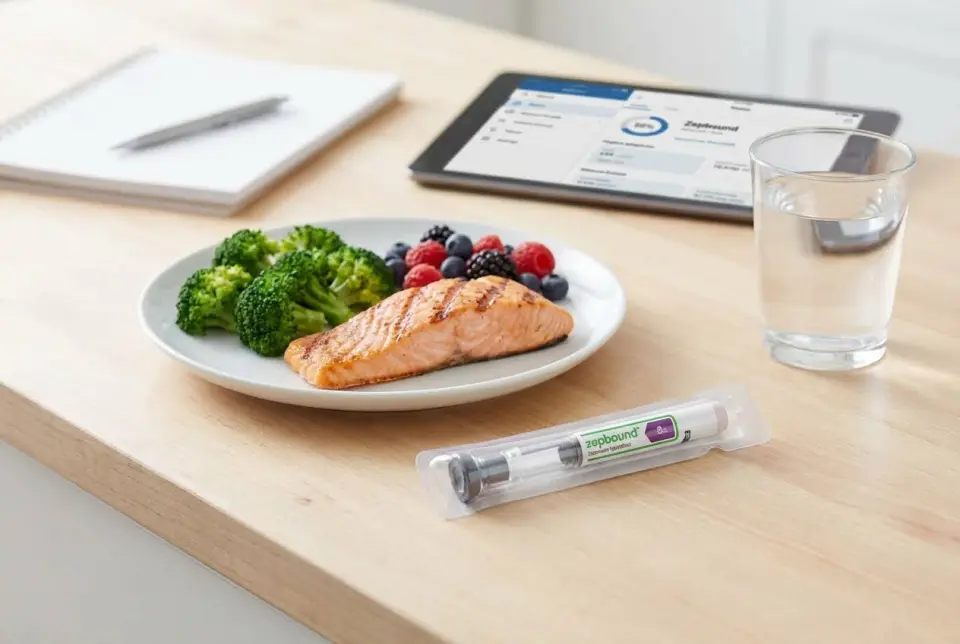
Starting a weight loss medication brings questions about what foods work best with the treatment. People taking Zepbound often discover their relationship with food changes dramatically within the first few weeks. The medication reduces hunger signals and slows digestion, which means food choices matter more than ever. Clinical trials showed average weight loss of about 18% of starting body weight over 72 weeks. Those results depend partly on making smart dietary decisions that support the medication's effects while minimizing uncomfortable side effects. Understanding what to eat on Zepbound helps maximize results and makes the weight loss journey more comfortable.
 Understanding How Zepbound Affects Your Nutrition
Zepbound contains tirzepatide, which activates both GIP and GLP-1 receptors in the body. This dual action affects appetite regulation, digestion, insulin release, and satiety signals. The result is reduced hunger and significant changes in how the digestive system processes food. Doctronic.ai provides detailed information about how these mechanisms work together to support weight loss goals.
Food stays in the stomach longer when taking this medication. This delayed gastric emptying means meals feel more filling for extended periods. Eating large portions or heavy meals can cause discomfort, nausea, and bloating because the stomach cannot process food as quickly. Choosing easily digestible foods in smaller amounts works better with this slower digestive process.
Most people notice significantly reduced hunger within the first few doses. This appetite suppression helps create the calorie deficit needed for weight loss. The challenge becomes ensuring adequate nutrition despite eating less food overall. Every bite needs to count nutritionally since total food intake decreases substantially.
Protein becomes the most critical macronutrient during medicated weight loss. Without adequate protein, the body breaks down muscle tissue along with fat stores. Losing muscle slows metabolism and makes maintaining weight loss harder long-term.
Chicken breast, turkey, fish, and lean cuts of beef provide complete proteins with all essential amino acids. Eggs offer an affordable, versatile protein option that most people tolerate well. Plant-based options include tofu, tempeh, legumes, and Greek yogurt. Spreading protein throughout the day supports muscle maintenance better than consuming it all at once.
Experts recommend aiming for 1.2 to 1.5 grams of protein per kilogram of ideal body weight daily to help preserve lean body mass. For someone with an ideal body weight of 150 pounds (68 kg), this means 82-102 grams of protein daily. Tracking protein intake for the first few weeks helps establish good habits.
Carbohydrates still belong in a healthy eating plan, but the type matters significantly. Complex carbohydrates provide sustained energy and essential nutrients without causing blood sugar spikes.
Fiber promotes regular digestion and prevents gastrointestinal disease. The recommended daily intake is 21–38 grams. Constipation is a common side effect of this medication, and adequate fiber helps prevent this issue. Good sources include vegetables, whole grains, beans, and berries.
Non-starchy vegetables should fill half of every plate. Leafy greens, broccoli, cauliflower, peppers, and zucchini provide nutrients with minimal calories. Berries, apples, and citrus fruits offer fiber and vitamins without excessive sugar. These foods digest slowly and help maintain stable blood sugar levels throughout the day.
There is no specific "Zepbound diet," but a generally healthy, reduced-calorie diet is recommended to maximize results and minimize side effects. Certain foods consistently cause problems for people taking this medication.
Fatty foods sit in the stomach longer and worsen the delayed gastric emptying effect. Fried chicken, French fries, pizza, and creamy sauces often trigger nausea and discomfort. Choosing grilled, baked, or steamed preparations makes meals easier to digest. Healthy fats from avocados, nuts, and olive oil in small amounts are generally better tolerated than saturated fats.
Sugary foods provide empty calories without nutritional benefit. With reduced appetite, wasting those limited calories on candy, pastries, or soda makes no sense. Alcohol causes additional problems by irritating the stomach lining and adding calories that slow weight loss progress. Healthcare providers generally recommend limiting alcohol, as excessive use may increase gastrointestinal side effects and impair blood sugar control while on tirzepatide.
Drinking enough water becomes more challenging when eating less food. Many people get significant fluids from meals, so reduced food intake means actively drinking more water. Aim for at least 64 ounces daily, and more during hot weather or exercise. Electrolyte imbalances can occur with reduced food intake, so including foods rich in potassium, magnesium, and sodium helps maintain proper balance. Doctronic.ai can help answer questions about hydration needs and electrolyte management during weight loss treatment.
How and when food is eaten matters almost as much as what is eaten. The body responds better to consistent eating patterns that work with the medication's effects.
Three large meals per day rarely work well for people taking this medication. Eating four to six smaller meals helps prevent the feeling of fullness that can trigger nausea. Stopping before feeling completely full is essential because the satiety signal arrives with a delay. Waiting 20 minutes before deciding whether to eat more prevents uncomfortable overeating.
Eating slowly and chewing thoroughly gives the body time to register fullness. Putting down utensils between bites and avoiding distractions during meals helps recognize satiety signals. These habits become especially valuable as the medication dose increases and appetite suppression intensifies. Building mindful eating practices now supports weight maintenance after reaching the goal weight.
Whole-grain versions in small portions are fine for most people. White bread and refined pasta provide fewer nutrients and may cause blood sugar spikes. Choose whole wheat bread, brown rice pasta, or quinoa as better alternatives.
At least 64 ounces is the minimum recommendation, but many people need more. Sipping water throughout the day works better than drinking large amounts at once. Adding lemon or cucumber can make water more appealing.
Bland, easily digestible foods like crackers, plain toast, or broth often help settle the stomach. Avoiding strong smells and eating cold foods instead of hot ones can reduce nausea. Ginger tea or ginger supplements also provide relief for many people.
Skipping meals occasionally will not cause harm, but consistently eating too little leads to nutrient deficiencies. Prioritizing protein at every meal helps maintain muscle mass even when appetite is very low. Small, nutrient-dense snacks can bridge the gap on low-appetite days.
Eating on Zepbound requires focusing on protein, fiber, and nutrient-dense foods while avoiding high-fat and sugary options. Smaller, more frequent meals combined with adequate hydration help minimize side effects and maximize weight loss results. For personalized guidance on nutrition and medication management, visit Doctronic.ai to connect with healthcare providers who can answer questions 24/7 in all 50 states.
Get weight loss guidance
Chat Now