
Preventive Health
How to Boost Your Immune System Before Cold and Flu Season
August 13, 2026
6 min read

Medically reviewed by Alan Lucks | MD, Alan Lucks MDPC Private Practice - New York on June 19th, 2025.
Published on June 19th, 2025. Updated on July 23rd, 2026.
Telemedicine falls under the broader umbrella of telehealth—think of telemedicine as the clinical diagnosis and treatment piece, while telehealth includes everything from wellness apps to remote blood pressure monitoring.
Synchronous telemedicine provides real-time video consultations with immediate feedback, while asynchronous "store-and-forward" methods let providers review your photos, test results, or medical history on their own schedule.
Remote healthcare can reduce medical costs by 19-50% by eliminating travel expenses and facility overhead, while improving access for the 20% of Americans living in rural areas with limited specialty care.
State licensing laws create a patchwork system where your doctor may only be able to treat you via video in certain states, and some insurance plans still don't cover virtual visits despite recent expansions.
Reliable high-speed internet of at least 1.5 Mbps is essential for quality video consultations—inadequate bandwidth can compromise diagnostic accuracy and patient safety.
Questions about telehealth and telemedicine?
Free. Anonymous. Built by doctors.
Talk to our AI doctor for a clear, personalized read on your situation.
The difference between telehealth and telemedicine comes down to scope: telehealth covers the full range of remote health services — education, monitoring, and clinical care — while telemedicine refers specifically to remote clinical services like diagnosis and treatment. Both have grown rapidly, but knowing which term means what helps you find the right care faster.
Telehealth is a broad term that encompasses a wide range of healthcare services delivered remotely. It includes clinical and non-clinical services such as education, health management, and wellness programs. Essentially, telehealth leverages technology to improve access to healthcare and enhance the overall patient experience.
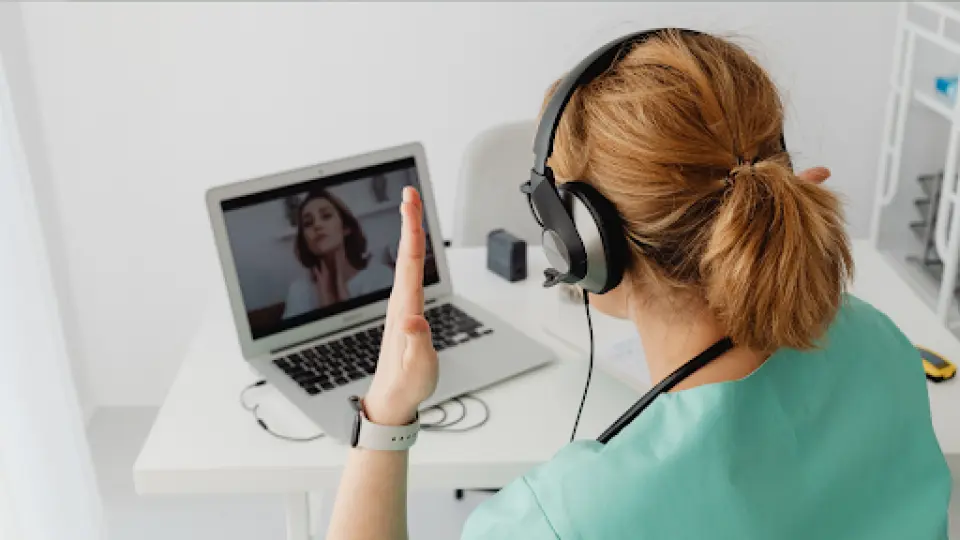
Telehealth can be broken down into several key components, each serving a distinct purpose. These components include:
Remote Patient Monitoring: This involves the use of devices and applications to monitor patients' health data in real-time. For instance, patients with chronic conditions can use wearable devices to track their vital signs, which are then sent to healthcare providers for analysis.
Health Education: Telehealth platforms often provide educational resources and programs to promote healthy behaviors. These can include webinars, online courses, and informational videos.
Behavioral Health Services: Telehealth has proven particularly effective in delivering mental health services. Patients can access therapy sessions and counseling remotely, reducing barriers to care.
The advantages of telehealth are numerous. First and foremost, it increases accessibility for patients, particularly those in rural or underserved areas. By utilizing telehealth services, patients can consult with healthcare professionals without the need for travel.
Moreover, telehealth can lead to improved patient engagement. With easier access to healthcare resources, patients are more likely to participate in their own health management. This can result in better health outcomes and increased satisfaction with care.
In addition to accessibility and engagement, telehealth can also enhance the efficiency of healthcare delivery. By reducing the time spent in waiting rooms and streamlining appointments, healthcare providers can manage their schedules more effectively. This efficiency not only benefits the providers but also ensures that patients receive timely care, which is crucial for managing acute and chronic conditions alike. Furthermore, telehealth can facilitate better coordination among healthcare teams, allowing for more comprehensive care as specialists can easily share information and collaborate on patient treatment plans.
Another significant benefit of telehealth is its potential to reduce healthcare costs. By minimizing the need for in-person visits, telehealth can lower transportation expenses for patients and decrease overhead costs for healthcare facilities. This cost-effectiveness can make healthcare more affordable for individuals and families, particularly those who may be struggling financially. Additionally, telehealth can help prevent costly hospitalizations by enabling early intervention and ongoing monitoring, ultimately leading to a healthier population and a more sustainable healthcare system.
While telehealth is an umbrella term, telemedicine specifically refers to the clinical aspects of healthcare delivered remotely. This includes diagnosis, treatment, and follow-up care provided through telecommunications technology. Telemedicine is primarily focused on direct patient-provider interactions.
Telemedicine can be categorized into several types of services, including:
Synchronous Telemedicine: This involves real-time interactions between patients and healthcare providers, typically through video conferencing. It allows for immediate feedback and assessment, making it ideal for urgent care situations.
Asynchronous Telemedicine: Also known as "store-and-forward" telemedicine, this method allows healthcare providers to review patient information and images at their convenience. This is particularly useful for specialties like dermatology, where images can be sent for evaluation without the need for an immediate consultation.
Remote Consultations: Telemedicine enables patients to consult with specialists who may not be available in their local area. This can be a game-changer for patients requiring specialized care.
Telemedicine offers a range of benefits that enhance the patient experience. One of the most significant advantages is the convenience it provides. Patients can receive care from the comfort of their homes, eliminating the need for travel and reducing wait times.
Additionally, telemedicine can lead to cost savings for both patients and healthcare providers. By reducing overhead costs associated with in-person visits, telemedicine can make healthcare more affordable and accessible.
Moreover, telemedicine can significantly improve access to care for individuals living in rural or underserved areas. These populations often face barriers such as long travel distances to healthcare facilities and limited availability of specialists. Telemedicine bridges this gap, allowing patients to connect with healthcare providers who can deliver timely and effective care without the burden of travel.
Another advantage of telemedicine is its potential to enhance patient engagement and adherence to treatment plans. With the ability to communicate easily with their healthcare providers, patients may feel more empowered to ask questions, share concerns, and follow through with recommended treatments. This ongoing interaction can foster a stronger patient-provider relationship, ultimately leading to better health outcomes.
Understanding the distinctions between telehealth and telemedicine is crucial for patients and healthcare providers alike. While both aim to improve healthcare delivery, they do so in different ways.
The primary difference lies in the scope of services offered. Telehealth encompasses a wide range of healthcare-related services, including preventive care, education, and wellness programs. In contrast, telemedicine focuses specifically on clinical services, such as diagnosis and treatment. This broader scope of telehealth allows for a more holistic approach to patient care, addressing not just immediate medical needs but also long-term health and wellness goals. For instance, telehealth programs may include nutritional counseling, mental health support, and chronic disease management, all of which contribute to a patient’s overall well-being.
Both telehealth and telemedicine leverage technology, but the types of technology used can vary. Telehealth may utilize a broader array of tools, including mobile health apps, online education platforms, and remote monitoring devices. Telemedicine, on the other hand, primarily relies on video conferencing and secure messaging systems for patient-provider interactions. The integration of wearable technology in telehealth is particularly noteworthy, as devices that track vital signs or physical activity can provide healthcare providers with real-time data, enabling them to tailor their recommendations and interventions more effectively. This data-driven approach not only enhances patient engagement but also fosters a proactive stance towards health management.
Telehealth services are designed to cater to a wide audience, including patients seeking preventive care, education, and wellness resources. Telemedicine, however, is specifically targeted at patients needing clinical care. This distinction is essential for understanding which service is appropriate for a given situation. For example, individuals looking to improve their fitness levels or manage stress may find telehealth resources more beneficial, while those experiencing specific symptoms or requiring follow-up care after a procedure would likely opt for telemedicine. This targeted approach ensures that patients receive the most relevant and effective care according to their unique needs and circumstances.
Getting these two terms straight is easier when you see clear, side-by-side definitions grounded in how federal agencies actually use them.
Telehealth is the broader umbrella. The U.S. Department of Health and Human Services defines telehealth as the use of electronic information and telecommunications technologies to support and promote long-distance clinical health care, patient and professional health-related education, public health, and health administration. In plain terms, telehealth includes anything health-related that happens remotely — whether or not a doctor is directly involved. Remote patient monitoring apps, mental health wellness programs, online nutrition coaching, and chronic disease education platforms all fall under telehealth.
Telemedicine sits inside that umbrella. It refers specifically to the clinical services delivered remotely — the direct patient-to-provider interactions where a diagnosis is made, a treatment is recommended, or a prescription is written. Think of a video call with a doctor about a rash, or a follow-up consultation after surgery. That's telemedicine.
Here's a practical way to remember it: if a licensed clinician is actively evaluating or treating you through a technology platform, you're using telemedicine. If you're tracking your steps, attending a virtual health class, or using an app to log your blood pressure between appointments, you're using telehealth.
Why the distinction matters for patients
Understanding the difference helps you ask better questions and set the right expectations. A telehealth app may tell you how to manage your diet with hypertension, but it cannot prescribe medication. A telemedicine visit with a licensed provider can. Knowing which type of service you're accessing also helps you understand what your insurance may cover, since reimbursement rules often differ between clinical telemedicine services and broader telehealth programs.
Where Doctronic fits
Doctronic spans both categories. Our free AI doctor delivers instant, evidence-based symptom assessment and health information — that's telehealth. When you need a licensed clinician to diagnose, treat, or prescribe, our on-demand telemedicine visits connect you with a board-certified provider in all 50 states, available 24/7 for less than $40. One platform, both services, no waiting room required.
Both telehealth and telemedicine have found practical applications across various healthcare settings. Their flexibility and efficiency have made them valuable tools in the modern healthcare landscape.

Telehealth has proven particularly effective in managing chronic diseases. Patients with conditions such as diabetes, hypertension, or asthma can benefit from remote monitoring and education. By using telehealth platforms, patients can track their symptoms, receive personalized care plans, and engage in educational programs that promote healthier lifestyles.
For instance, a patient with diabetes can use a mobile app to log their blood sugar levels and receive feedback from their healthcare team. This ongoing communication can lead to better disease management and improved health outcomes.
Telemedicine has revolutionized urgent care delivery. Patients experiencing acute symptoms can consult with a healthcare provider in real time, receiving immediate guidance and treatment recommendations. This is particularly beneficial for minor injuries, infections, or illnesses that do not require in-person visits.
For example, a patient with a sore throat can connect with a provider through a video call, who can then assess their condition and prescribe medication if necessary. This not only saves time but also reduces the risk of exposure to contagious illnesses in waiting rooms.
Despite the many advantages of telehealth and telemedicine, there are challenges and considerations that must be addressed. Understanding these can help patients and providers navigate the landscape more effectively.
One of the significant challenges facing telehealth and telemedicine is the regulatory landscape. Different states and countries have varying laws regarding the practice of telemedicine, including licensing requirements and reimbursement policies. This can create confusion for both patients and providers, particularly when seeking care across state lines.
Healthcare providers must ensure they are compliant with local regulations to avoid legal issues. Patients should also be aware of these regulations when seeking care, as they may impact the availability of services.
While technology is a key enabler of telehealth and telemedicine, it can also present barriers. Not all patients have access to the necessary devices or reliable internet connections. This digital divide can disproportionately affect vulnerable populations, limiting their access to care.
Healthcare providers must consider these barriers when implementing telehealth solutions. Offering alternative methods of communication or providing assistance with technology can help bridge the gap for those who may struggle with digital access.
As technology continues to advance, the future of telehealth and telemedicine looks promising. Innovations in artificial intelligence, machine learning, and data analytics are poised to enhance these services further, improving patient outcomes and streamlining healthcare delivery.
Artificial intelligence (AI) has the potential to transform telehealth and telemedicine by providing personalized care recommendations based on patient data. For example, AI algorithms can analyze health information to identify patterns and predict potential health issues, allowing for proactive interventions.
Platforms like Doctronic.ai are at the forefront of this integration, combining AI-driven symptom assessment with 24/7 telehealth video visits. Our AI doctor is free to use, and when you need a licensed provider, our telemedicine visits are available across all 50 states for less than $40 — putting both telehealth and telemedicine in one place.
The future of telehealth and telemedicine also involves expanding access to care for underserved populations. Efforts to improve digital literacy and provide resources for those lacking technology will be crucial in ensuring equitable access to healthcare services.
As telehealth continues to evolve, it is essential for healthcare providers and policymakers to prioritize inclusivity, making sure that all individuals can benefit from these advancements.
In summary, while telehealth and telemedicine are often used interchangeably, they represent distinct aspects of remote healthcare. Telehealth encompasses a wide range of services, including education and wellness programs, while telemedicine focuses specifically on clinical care delivered through telecommunications technology.
Both approaches have demonstrated significant benefits, including increased access to care, improved patient engagement, and cost savings. However, challenges such as regulatory issues and technology barriers must be addressed to maximize their potential.
As the healthcare landscape continues to evolve, platforms like Doctronic.ai are leading the way in integrating advanced technologies to enhance telehealth and telemedicine services. By embracing these innovations, the future of healthcare can be more accessible, efficient, and patient-centered.
Embrace the cutting-edge of telehealth and telemedicine with Doctronic, the #1 AI Doctor. Our platform offers free AI doctor visits, providing you with AI-driven diagnoses that you can trust. For more personalized care, our telehealth video visits connect you with our doctors 24/7 across all 50 states for less than $40. Join over 10 million people who have experienced the smarter, faster, and more personal healthcare revolution. Skip the line. Talk to an AI Doctor Now, for free.
Telehealth is the broader category — it includes any health-related service delivered remotely, from patient education and wellness apps to remote monitoring. Telemedicine is a subset of telehealth that refers specifically to clinical services: diagnosis, treatment, and prescribing delivered by a licensed provider through technology. If a doctor is actively treating you, that's telemedicine. Everything else remote and health-related falls under telehealth.
An AI-powered tool that provides health information, symptom checks, or educational guidance is generally considered telehealth. When that same platform connects you to a licensed clinician who evaluates your condition and recommends treatment, it crosses into telemedicine. Doctronic offers both: a free AI doctor visit (telehealth) and on-demand video visits with licensed providers (telemedicine).
Coverage depends on your plan and the type of service. Most major insurers, including Medicare and Medicaid, now cover telemedicine visits that involve a licensed clinician. Broader telehealth services — like wellness apps or remote monitoring programs — have more variable coverage. It's worth checking your plan's telehealth benefits directly, since coverage rules expanded significantly after the COVID-19 pandemic and continue to evolve.
Yes, licensed providers on telemedicine platforms can prescribe most medications, including antibiotics, blood pressure drugs, and many mental health medications. Prescribing controlled substances via telehealth is subject to additional federal and state regulations. Doctronic's licensed providers can assess your condition and send prescriptions to your local pharmacy when clinically appropriate.
For many common conditions — infections, skin issues, mental health, chronic disease follow-ups — telehealth and telemedicine visits are clinically comparable to in-person care. They work best when a physical exam isn't required. Emergency conditions, complex diagnoses, and procedures still require in-person evaluation. Our AI doctor can help you quickly determine whether your situation can be handled remotely or needs an in-person visit.
Choose telemedicine for specific medical concerns requiring diagnosis or treatment, but consider broader telehealth platforms for ongoing wellness monitoring and health education. Both options can significantly improve access to care while reducing costs, though technical requirements and licensing restrictions may limit availability in some areas. If you're unsure which remote healthcare option fits your specific medical needs, Doctronic can provide quick guidance.
Find the right care
Chat Now