

You can get Ozempic online through a telehealth provider — without ever visiting a clinic in person. A licensed provider reviews your medical history via video or async visit, and if you qualify, sends a prescription directly to your pharmacy. This guide walks through exactly how the process works, what you need, and how to handle common barriers like prior authorization.
How to Get Ozempic Through a Telehealth Provider: 2026 Guide

Medically reviewed by Alan Lucks | MD , Alan Lucks MDPC Private Practice - New York on July 6th, 2025. Published on July 6th, 2025. Updated on July 24th, 2026.
Key Takeaways
Virtual consultations for semaglutide prescriptions require comprehensive medical history review, current medication assessment, and blood work analysis—typically completed within 24-48 hours.
Clinical studies demonstrate 85% of patients successfully maintain their treatment plans through remote diabetes management, achieving outcomes comparable to traditional in-person care.
Most platforms charge $49-199 monthly for telehealth services, often including medication management, injection training videos, and unlimited provider messaging between appointments.
Follow-up consultations occur every 3-6 months to monitor A1C levels, adjust dosing from the standard 0.25mg starting dose, and assess for side effects like nausea or gastroparesis.
Red flag symptoms requiring immediate medical attention include persistent severe abdominal pain lasting over 24 hours, vision changes, or signs of pancreatitis regardless of your telehealth provider.
Understanding Ozempic
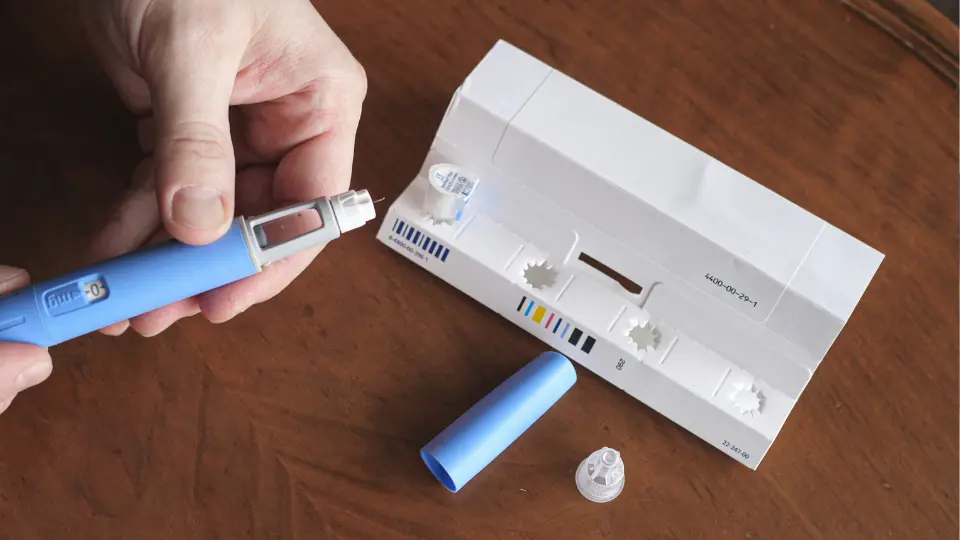
Before diving into the telehealth process, it’s essential to understand what Ozempic is and how it works. Ozempic (semaglutide) is a GLP-1 receptor agonist that helps regulate blood sugar levels in individuals with type 2 diabetes. It mimics the effects of incretin hormones, which are released after eating and help to lower blood sugar. Additionally, Ozempic has been shown to promote weight loss, making it an attractive option for many patients. The medication works by stimulating insulin secretion in response to meals, thereby enhancing the body's natural ability to manage glucose levels. This mechanism not only aids in controlling diabetes but also contributes to a feeling of fullness, which can help curb overeating.
Benefits of Ozempic
Ozempic offers several benefits for those managing type 2 diabetes. One of the primary advantages is its ability to lower blood sugar levels effectively. Patients often experience improved glycemic control, which can lead to reduced risks of diabetes-related complications. Studies have shown that Ozempic can lower HbA1c levels significantly, which is a key indicator of long-term blood sugar control. This improvement can translate into better overall health outcomes and a reduced likelihood of developing cardiovascular issues, which are common among individuals with diabetes.
Moreover, many users report significant weight loss while on Ozempic. This dual benefit of managing diabetes and promoting weight loss makes it a preferred choice for many healthcare providers and patients alike. Additionally, the once-weekly injection schedule adds convenience for those who may struggle with daily medication regimens. Beyond weight loss, patients often find that their energy levels improve, and they experience a better quality of life as they gain more control over their health. The combination of these factors makes Ozempic not just a medication, but a potential lifestyle change for many individuals.
Potential Side Effects
As with any medication, Ozempic comes with potential side effects. Common side effects include nausea, vomiting, diarrhea, and constipation. While these symptoms often improve over time, it’s crucial for patients to discuss any concerns with their healthcare provider. Serious side effects, although rare, can include pancreatitis and kidney problems. Patients should also be aware that some individuals may experience allergic reactions, which can manifest as rash, itching, or swelling. Monitoring for these reactions is important, especially when starting the medication.
Understanding these potential side effects is essential for making informed decisions about using Ozempic. Patients should weigh the benefits against the risks and consult with their healthcare provider before starting any new medication. It’s also advisable for patients to maintain regular follow-ups to monitor their response to the treatment and to adjust dosages if necessary. Engaging in open communication with healthcare professionals can help ensure that any side effects are managed effectively, allowing patients to focus on achieving their health goals without unnecessary interruptions.
The Rise of Telehealth
Telehealth has become increasingly popular, especially in the wake of the COVID-19 pandemic. Patients now have the option to consult with healthcare providers from the comfort of their homes, eliminating the need for in-person visits. This shift has made it easier for individuals to access medications like Ozempic, particularly for those who may have difficulty traveling to a clinic.
Convenience and Accessibility
One of the most significant advantages of telehealth is its convenience. Patients can schedule appointments at times that work for them, often without long waiting periods. This is particularly beneficial for individuals with busy schedules or those who live in remote areas with limited access to healthcare facilities.
Additionally, telehealth provides a level of accessibility that traditional healthcare may not offer. Patients with mobility issues or those who require specialized care can connect with providers who may not be available locally. This expanded access can lead to better health outcomes, as patients are more likely to seek care when it is readily available. Furthermore, telehealth platforms often include features such as secure messaging and follow-up reminders, ensuring that patients remain engaged with their treatment plans and can easily communicate with their healthcare teams.
Cost-Effectiveness
Telehealth services can also be more cost-effective than traditional healthcare visits. Patients save on travel expenses and time away from work, which can add up significantly over time. Many telehealth providers offer competitive pricing for consultations, making it a more attractive option for individuals managing chronic conditions, such as diabetes.
Moreover, insurance coverage for telehealth services has improved, with many plans now covering virtual visits. This shift has made it easier for patients to receive the care they need without incurring substantial out-of-pocket costs. In addition to direct savings, telehealth can help prevent more serious health issues down the line, as patients are more likely to seek timely care for minor ailments before they escalate. The ability to monitor health conditions remotely through telehealth can also reduce the frequency of emergency room visits, resulting in additional savings for both patients and healthcare systems.
How to Get Ozempic Through a Telehealth Provider
Obtaining Ozempic through a telehealth provider involves several straightforward steps. By following this process, patients can ensure they receive the medication they need while enjoying the benefits of virtual healthcare.
Step 1: Choose a Telehealth Provider
The first step in obtaining Ozempic is selecting a reputable telehealth provider. Services like Doctronic.ai offer a user-friendly platform for patients seeking virtual consultations. When choosing a provider, consider factors such as the qualifications of healthcare professionals, patient reviews, and the ease of scheduling appointments.
It’s essential to choose a provider that specializes in diabetes management or has experience prescribing medications like Ozempic. This expertise can help ensure that patients receive accurate assessments and appropriate treatment plans. Additionally, patients should look for providers that offer comprehensive care, including nutritional counseling and lifestyle management, as these elements are crucial for effective diabetes control and overall health improvement.
Step 2: Schedule a Consultation
Once a telehealth provider has been selected, the next step is to schedule a consultation. Many telehealth services allow patients to book appointments online, making the process quick and efficient. During the consultation, patients will discuss their medical history, current medications, and any concerns related to diabetes management.
It’s crucial to be open and honest during this consultation, as healthcare providers will rely on this information to determine whether Ozempic is a suitable option. Patients should also prepare any questions they may have about the medication, including potential side effects and how to administer it. Moreover, discussing lifestyle factors such as diet, exercise, and stress management during this consultation can provide the healthcare provider with a holistic view of the patient’s health, leading to more tailored and effective treatment strategies.
Step 3: Receive a Prescription and Navigate Prior Authorization
If the healthcare provider determines that Ozempic is appropriate, they will issue a prescription. Many telehealth providers can send prescriptions directly to a pharmacy of the patient's choice, streamlining the process. Patients should confirm with their provider whether they need to pick up the prescription in person or if it can be delivered. Keep in mind that most insurers require prior authorization (PA) for Ozempic — meaning your provider must submit documentation showing it's medically necessary before your plan will cover it. A good telehealth provider will handle the PA paperwork on your behalf and notify you of the outcome, which typically takes 1–5 business days.
In some cases, telehealth providers may also offer medication delivery services. This convenience can further enhance the patient experience, allowing individuals to receive their medication without leaving home. Additionally, patients should inquire about any available support services, such as medication management programs, which can help monitor their progress and ensure adherence to the treatment plan. These programs often provide valuable resources, including educational materials and regular check-ins, to help patients navigate their diabetes management effectively.
Brand-Name Ozempic vs. Compounded Semaglutide Through Telehealth
When you search for Ozempic through a telehealth provider, you'll likely encounter two distinct options: FDA-approved brand-name Ozempic (semaglutide) made by Novo Nordisk, and compounded semaglutide offered by some online pharmacies and telehealth platforms. Understanding the difference is important before you decide.
Brand-name Ozempic is the version approved by the FDA for type 2 diabetes management. It comes in pre-filled injection pens with standardized doses (0.5 mg, 1 mg, and 2 mg). A licensed telehealth provider can prescribe it, and your pharmacy fills it the same way they would any other branded drug. Insurance may cover it with prior authorization, and the medication is manufactured under strict FDA quality controls.
Compounded semaglutide became widely available during the Ozempic shortage when the FDA allowed compounding pharmacies to produce their own versions of the drug. Some telehealth platforms promoted compounded semaglutide as a lower-cost alternative. However, the FDA has stated that compounded drugs are not FDA-approved, meaning their safety, potency, and sterility are not independently verified the same way branded drugs are. As of 2025, the FDA declared the shortage over and began taking action to restrict compounded semaglutide — so availability through telehealth platforms has narrowed significantly.
What this means for you: If a telehealth platform is offering semaglutide at a steep discount and the product isn't clearly labeled as brand-name Ozempic or Wegovy, ask directly whether it is compounded. There is nothing inherently illegal about a licensed provider prescribing compounded medication for an appropriate clinical reason, but you should make an informed choice. Our AI doctor can help you understand what type of semaglutide a provider is offering and whether it aligns with your health goals.
Cost comparison: Brand-name Ozempic without insurance can run $900–$1,000 per month. Compounded semaglutide, when available, has been marketed at $200–$400 per month. With insurance and successful prior authorization, your out-of-pocket cost for brand-name Ozempic may be substantially lower — sometimes under $25 with a manufacturer savings card for eligible patients.
Always confirm that your telehealth provider is licensed in your state, that any compounding pharmacy they use is accredited (look for PCAB accreditation), and that you have a clear plan for ongoing monitoring of your blood sugar and weight.
Managing Your Ozempic Treatment
Once patients have obtained Ozempic, managing the treatment effectively is essential for achieving optimal results. This involves understanding how to use the medication correctly and monitoring its effects on blood sugar levels.
Proper Administration
Ozempic is administered via a subcutaneous injection, typically in the abdomen, thigh, or upper arm. Patients should receive thorough instructions on how to use the injection pen, including how to prepare the pen, select the correct dosage, and dispose of used needles safely. Following these guidelines is crucial for ensuring the medication's effectiveness and minimizing the risk of complications.
Additionally, patients should establish a routine for administering Ozempic. Consistency in timing can help maintain stable blood sugar levels and improve overall treatment outcomes. It may also be beneficial to set reminders on a smartphone or use a medication management app to help keep track of injection times. This not only aids in adherence but also reinforces the habit of integrating Ozempic into daily life, making it feel like a natural part of one’s health regimen.
Monitoring Blood Sugar Levels
Regular monitoring of blood sugar levels is vital for individuals taking Ozempic. Patients should work with their healthcare provider to determine the best schedule for testing their blood sugar. Keeping a log of blood sugar readings can help identify patterns and inform any necessary adjustments to the treatment plan. This proactive approach allows patients to recognize how different foods, activities, and stress levels impact their blood sugar, leading to more informed decisions about their lifestyle choices.
In some cases, healthcare providers may recommend continuous glucose monitoring (CGM) systems. These devices provide real-time data on blood sugar levels, allowing for more precise management of diabetes. With CGM technology, patients can receive alerts for high or low blood sugar levels, enabling them to take immediate action. This not only enhances safety but also empowers patients to engage more actively in their diabetes management, fostering a sense of control over their health.
Regular Follow-Ups
Patients using Ozempic should schedule regular follow-up appointments with their telehealth provider. These consultations can help assess the effectiveness of the medication, address any side effects, and make necessary adjustments to the treatment plan. Regular communication with healthcare professionals is essential for ensuring that patients receive the best possible care. During these visits, patients should feel encouraged to discuss any concerns or changes they’ve noticed, as this feedback is crucial for tailoring their treatment.
Many telehealth providers, including Doctronic.ai, offer flexible follow-up options, allowing patients to connect with their providers as needed. This ongoing support can be invaluable in managing diabetes effectively. Furthermore, telehealth can facilitate access to specialized dietitians or diabetes educators who can provide additional resources and strategies for healthy eating and lifestyle modifications. By leveraging these resources, patients can enhance their understanding of diabetes management and develop a more comprehensive approach to their health.
Modern Solutions for Effective Diabetes Care

Obtaining Ozempic through a telehealth provider is a straightforward process that offers numerous benefits for individuals managing type 2 diabetes. The convenience, accessibility, and cost-effectiveness of telehealth make it an attractive option for many patients. By following the steps outlined in this article, individuals can successfully navigate the process of obtaining Ozempic and managing their treatment effectively.
As telehealth continues to evolve, services like Doctronic.ai are at the forefront of providing accessible and efficient healthcare solutions. Embracing telehealth can empower patients to take control of their health and achieve better outcomes in managing diabetes.
Experience the Future of Diabetes Care with Doctronic
If you're managing type 2 diabetes and seeking an innovative, faster, and more personalized healthcare experience, Doctronic is here for you. With over 10 million users and growing, our AI-powered platform offers free AI doctor visits that provide you with immediate, accurate medical advice based on the latest peer-reviewed research. For a more interactive experience, our telehealth video visits connect you with real doctors 24/7 in all 50 states, all for less than $40. Say goodbye to waiting rooms and experience the most personal care at your convenience. Skip the line. Talk to an AI Doctor Now, for free.
Frequently Asked Questions
Yes. Licensed physicians and nurse practitioners on telehealth platforms can prescribe Ozempic if you meet clinical criteria — typically a type 2 diabetes diagnosis or, in some cases, a qualifying BMI for weight management. The provider reviews your medical history and labs during a virtual visit and, if appropriate, sends the prescription to your preferred pharmacy. You do not need an in-person appointment.
Most telehealth consultations can be completed within 24–48 hours of booking. If no prior authorization is needed, your prescription can reach a pharmacy the same day. If your insurance requires prior authorization, plan for an additional 1–5 business days for your insurer to review and approve the request. Same-day or next-day starts are more common when paying out of pocket.
Insurance coverage for Ozempic works the same way regardless of whether the prescription came from a telehealth provider or an in-person clinic. Most commercial plans require prior authorization before they'll cover it. Your telehealth provider should submit the PA on your behalf. If you're denied, you typically have the right to appeal, and your provider can supply additional clinical documentation to support the appeal.
Brand-name Ozempic is FDA-approved and manufactured by Novo Nordisk to strict quality standards. Compounded semaglutide is a pharmacy-made version that was widely available during the drug shortage but is not FDA-approved. The FDA declared the Ozempic shortage over in 2025 and began restricting compounded semaglutide. If a telehealth platform is offering a significantly cheaper semaglutide product, confirm whether it is compounded and ask about the pharmacy's accreditation.
You'll typically need to share your current diagnosis (type 2 diabetes or obesity-related condition), a list of current medications, any relevant lab results such as recent HbA1c or blood glucose readings, and basic health history. Some platforms accept self-reported information and then order labs if needed. Having recent bloodwork ready can speed up the process significantly.
The Bottom Line
Telehealth platforms provide medically supervised access to semaglutide through virtual consultations that match traditional care effectiveness while offering greater convenience and ongoing support. The process involves thorough medical evaluation, regular monitoring, and comprehensive side effect management through remote platforms. If you're considering telehealth options for diabetes management, Doctronic can provide personalized guidance on choosing the right approach.
References
Related Articles
Young Americans Are Exploring the Health Benefits of Sobriety in Record Numbers
In Gallup's 2025 Consumption Habits survey, 54% of U.S. adults said they drink alcohol. That is the lowest reading in a trend going back to 1939, and it caps three [...]
Read MoreDoctronic Expands Into Pediatrics: On-Demand Care for the Whole Family
Doctronic is expanding into pediatric primary care. On July 29, 2026, the company announced the acquisition of Summer Health, a virtual platform built around text-based [...]
Read MoreWhat to Avoid When Taking Lyrica (Pregabalin)
Read More

