

How to Dispose of Zepbound Pens Safely
Using and Safely Disposing of Zepbound PensZepbound pens represent a significant advancement in the management of obesity, offering patients a convenient and effective method [...]
Read More
Medically reviewed by Alan Lucks | MD , Alan Lucks MDPC Private Practice - New York on November 24th, 2025. Updated on April 30th, 2026
Used injection pens contain residual tirzepatide medication and exposed needles that pose needle-stick injury risks requiring immediate placement in FDA-approved sharps containers without recapping.
Household sharps containers cost $15-25 and hold approximately 100 pen injectors before requiring disposal at designated collection sites.
Over 5,000 sanitation workers suffer needle-stick injuries annually from improperly discarded medical devices placed in regular trash or recycling bins.
Participating pharmacies like CVS, Walgreens, and most hospitals accept full sharps containers year-round, while many communities offer quarterly household hazardous waste collection events.
Medication residue and plastic components can leach into groundwater systems for decades when disposed of in landfills, affecting local drinking water supplies.
Zepbound pens represent a significant advancement in the management of obesity, offering patients a convenient and effective method for administering medication. These devices are designed for ease of use, allowing individuals to self-administer their doses with minimal discomfort. The pens contain a pre-measured dose, ensuring that patients receive the correct amount of medication every time. This feature not only enhances adherence to treatment plans but also empowers patients to take control of their health in a straightforward manner.
In addition to their practical benefits, the importance of proper disposal cannot be overstated. Used Zepbound pens can pose serious risks if not handled correctly, as they contain needles that can cause injuries or infections. By utilizing FDA-approved sharps containers, individuals can ensure that these devices are disposed of safely and responsibly. Many communities also offer designated disposal sites, making it easier for patients to find a convenient and safe way to discard their used pens. Engaging with telehealth services, such as Doctronic.ai, can provide additional support and resources, helping patients navigate the complexities of medication management and safe disposal practices.
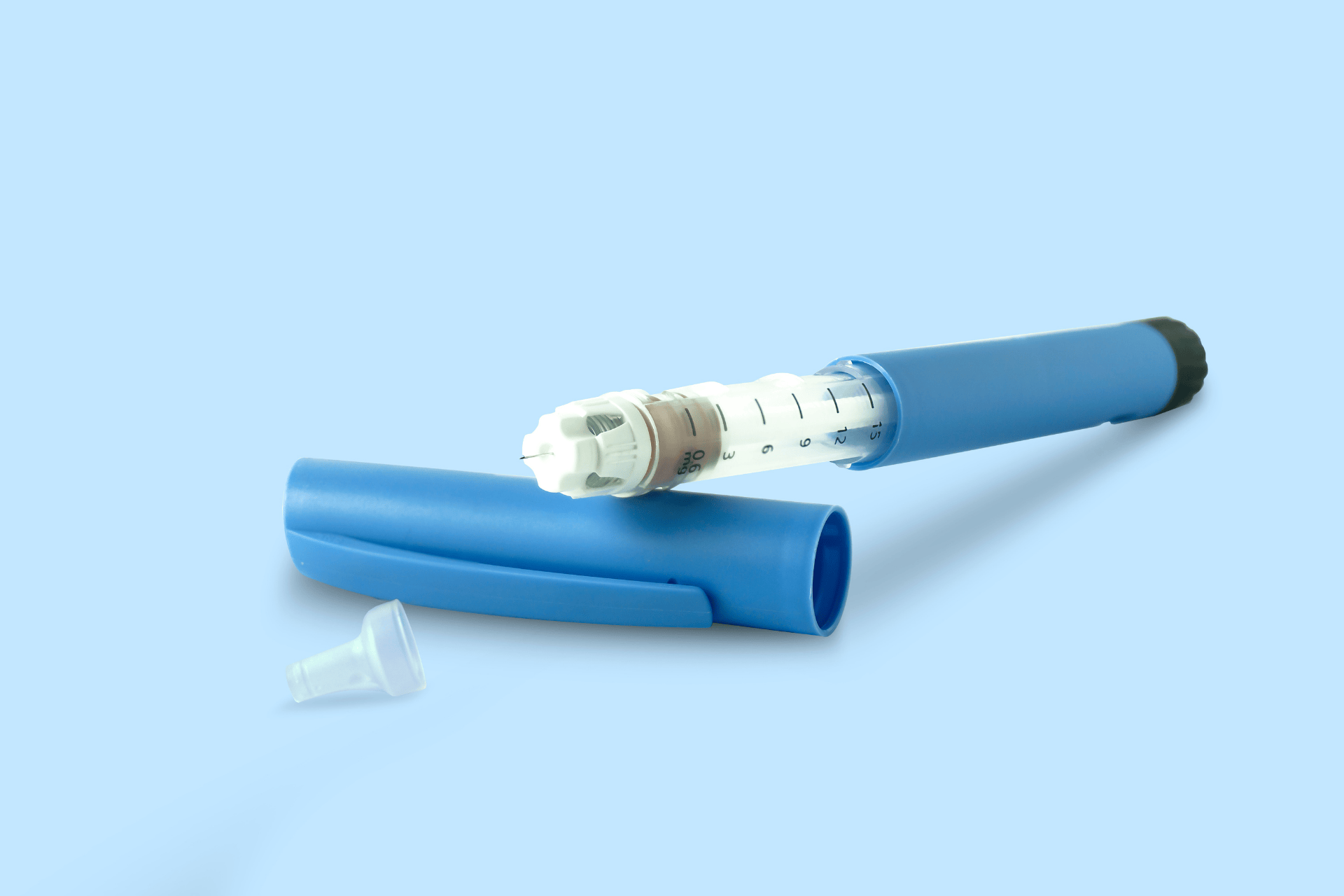 Understanding Zepbound and Its Delivery Pens
Zepbound, known generically as tirzepatide, is an FDA-approved medication designed for chronic weight management in adults with obesity or overweight. It also helps improve moderate to severe obstructive sleep apnea by reducing weight and fat deposits around the airway. Administered as a once-weekly injection, Zepbound activates natural hormone pathways to regulate appetite, digestion, and insulin release, supporting significant and sustained weight loss. The medication mimics the action of two hormones, GLP-1 and GIP, which play crucial roles in appetite regulation and glucose metabolism. This dual action not only aids in weight loss but also enhances metabolic health, making it a valuable tool in the fight against obesity-related conditions.
Zepbound comes in prefilled injection pens that patients use at home. These pens are designed for single use and contain a needle that delivers the medication subcutaneously. Because of the needle and medication residue, these pens require careful handling and disposal to avoid injury and contamination. Each pen is equipped with user-friendly features, including a safety lock and a clear dosage indicator, ensuring that patients can administer their medication accurately and safely. The pens are compact and portable, allowing individuals to maintain their treatment regimen even while traveling or on the go. The convenience of these pens empowers patients to take an active role in their weight management journey, fostering a sense of independence and responsibility.
Used injection pens pose a risk of needle-stick injuries, which can transmit infections. Improper disposal in household trash or recycling bins can expose sanitation workers, family members, and pets to harm. Safe disposal protects everyone from accidental punctures and exposure to medication residues. The risk of infection extends beyond just the immediate vicinity; if a used pen is improperly discarded in public spaces, it can lead to serious health hazards for unsuspecting individuals who may come into contact with it. This highlights the importance of educating patients and caregivers about safe disposal practices, ensuring that they understand the potential dangers associated with careless disposal.
Medication waste can contaminate soil and water if not disposed of correctly. Zepbound pens contain plastic, metal, and residual medication that should not enter the environment. Proper disposal methods ensure these materials are handled responsibly, minimizing ecological impact. The breakdown of these materials in landfills can release harmful substances into the ground, potentially leaching into groundwater supplies and affecting local ecosystems. The accumulation of plastic waste contributes to the growing global issue of plastic pollution, which threatens wildlife and disrupts natural habitats. By adopting environmentally-friendly disposal practices, individuals can play a crucial role in protecting both their health and the planet, promoting a cleaner and safer environment for future generations.
The safest way to dispose of Zepbound pens is by placing them in a designated sharps container. These containers are puncture-resistant and sealable, preventing needle-stick injuries and leakage. Many pharmacies, medical supply stores, and online retailers sell sharps containers specifically for this purpose.
Once your sharps container is full, it needs to be disposed of at an approved collection site. These include:
Pharmacies with take-back programs
Hospitals or clinics
Household hazardous waste collection events
Mail-back programs offered by some manufacturers or local health departments
Check with your local health department or pharmacy for the nearest options.
Throwing Zepbound pens in regular trash or recycling bins is unsafe and often illegal. Needles can injure waste handlers, and medications can contaminate recycling streams. Always use proper sharps disposal methods.
Consistency is key with Zepbound. Follow your prescribed schedule closely to maintain stable drug levels and maximize effectiveness. If you have questions about your treatment or side effects like nausea or abdominal discomfort, reach out to a healthcare provider promptly.
For convenient access to medical advice, consider telehealth platforms like Doctronic.ai. Doctronic offers 24/7 video visits with licensed doctors across all 50 states, providing expert guidance on your medication, treatment adjustments, and general health questions without leaving home.
 Staying Safe and Responsible
After using a Zepbound pen, do not recap the needle. Instead, immediately place the pen into your sharps container. Keep the container out of reach of children and pets to prevent accidents.
If a sharps container is not available, use a heavy-duty plastic container with a tight-fitting lid, such as a laundry detergent bottle. Label it clearly as “Sharps” and follow local disposal guidelines. However, obtaining an FDA-approved sharps container is the best practice.
Proper disposal of Zepbound pens is crucial for your safety and the environment. Using FDA-approved sharps containers and approved disposal sites prevents injury and contamination. If you have questions about your medication or disposal methods, telehealth services like Doctronic.ai provide expert support anytime. Managing your treatment responsibly helps you stay healthy and protects your community.
No. Used Zepbound pens contain needles and medication residue that pose health risks. They must be disposed of in FDA-approved sharps containers or designated collection sites.
Pharmacies, medical supply stores, and online retailers sell FDA-approved sharps containers. Some local health departments may also provide them.
Contact your healthcare provider or use a telehealth service like Doctronic.ai to discuss how to proceed safely with your medication schedule.
Common side effects include nausea, reduced appetite, diarrhea, constipation, and abdominal discomfort. Report any severe or persistent symptoms to your doctor promptly.
Zepbound helps improve obstructive sleep apnea by promoting weight loss, which reduces airway obstruction. It is not a direct sleep medication.
Place used Zepbound pens directly into FDA-approved sharps containers and dispose of full containers at participating pharmacies or medical facilities to prevent serious injuries and environmental contamination. Never put these devices in household trash where they endanger sanitation workers and family members. If you need guidance on proper disposal locations in your area, Doctronic can provide personalized recommendations.
Using and Safely Disposing of Zepbound PensZepbound pens represent a significant advancement in the management of obesity, offering patients a convenient and effective method [...]
Read More
Join 50,000+ readers using Doctronic to understand symptoms, medications,
and next steps.
Add your phone number below to get health updates and exclusive VIP offers.
By providing your phone number, you agree to receive SMS updates from Company. Message and data rates may apply. Reply “STOP” to opt-out anytime. Read our Privacy Policy and Terms of Service for more details.
Save your consults. Talk with licensed doctors and manage your health history.
