
Infectious Disease
3 Macrobid Interactions: What To Avoid When You’re Taking Macrobid
December 15, 2025
8 min read

Medically reviewed by Alan Lucks | MD, Alan Lucks MDPC Private Practice - New York on July 6th, 2026.
Published on June 25th, 2026. Updated on July 23rd, 2026.
Nitrofurantoin expiration dates indicate guaranteed potency, not immediate danger after that date
Proper storage at room temperature (68-77°F) away from humidity significantly extends medication effectiveness
Using expired antibiotics risks treatment failure and may contribute to bacterial resistance development
Physical changes like discoloration, cracking, or unusual odor indicate definitive medication degradation
Fresh prescriptions ensure optimal UTI treatment outcomes and maximum patient safety
Questions about nitrofurantoin?
Free. Anonymous. Built by doctors.
Talk to our AI doctor for a clear, personalized read on your situation.
The FDA requires pharmaceutical manufacturers to establish expiration dates based on stability testing, but these dates represent when companies can guarantee full potency rather than when medications become dangerous. For nitrofurantoin (macrobid), these expiration dates typically range from 2-3 years from manufacturing, depending on the specific formulation and packaging.
Unlike some medications that degrade into harmful compounds, nitrofurantoin's chemical structure remains relatively stable over time. The active ingredient gradually loses effectiveness rather than transforming into toxic substances. However, this doesn't mean expired nitrofurantoin maintains its therapeutic value indefinitely. Studies show that most antibiotics, including nitrofurantoin, may retain 80-90% of their original potency for months beyond the printed expiration date when stored properly.
The challenge lies in predicting exactly how much potency remains in any given expired medication. Factors like storage conditions, humidity exposure, and temperature fluctuations all influence the degradation timeline, making it impossible to guarantee therapeutic effectiveness without laboratory testing.
As nitrofurantoin ages beyond its expiration date, the active compounds begin breaking down through various chemical processes. The medication's ability to concentrate in urine and effectively target bacteria like E. coli gradually diminishes. This degradation process accelerates under poor storage conditions, particularly in humid environments like bathrooms.
Research indicates that expired nitrofurantoin may lose approximately 10-15% of its antimicrobial activity each year after expiration. While this might seem modest, even small reductions in antibiotic potency can significantly impact treatment outcomes for urinary tract infections. Bacteria require specific drug concentrations to be effectively eliminated, and subtherapeutic levels may allow infections to persist.
The most concerning aspect of using expired antibiotics involves the potential contribution to antibiotic resistance. When bacterial populations are exposed to insufficient drug concentrations, surviving organisms may develop resistance mechanisms. This creates a more challenging treatment scenario and potentially compromises future antibiotic effectiveness. Similar to how understanding medication expiration dates helps with other prescriptions, knowing nitrofurantoin's degradation pattern helps patients make informed decisions.
Get Nitrofurantoin online today
A licensed doctor can review your symptoms and, if appropriate, send a prescription for Nitrofurantoin to your pharmacy, often the same day.
Storage Factor |
Optimal Condition |
Impact on Shelf Life |
Common Mistakes |
|---|---|---|---|
Temperature |
68-77°F (20-25°C) |
Maintains potency longest |
Car storage, bathroom heat |
Humidity |
Less than 60% |
Prevents capsule degradation |
Open bottles, bathroom storage |
Light Exposure |
Dark environment |
Protects active ingredients |
Clear containers, window storage |
Proper storage significantly extends nitrofurantoin's effectiveness beyond the printed expiration date. The medication should remain in its original amber-colored bottle, which provides protection from light degradation. Many patients make the mistake of transferring pills to weekly pill organizers or clear containers, which exposes the medication to environmental factors that accelerate breakdown.
Temperature control proves particularly crucial for nitrofurantoin stability. Storage in bathrooms, kitchens, or vehicles subjects the medication to temperature fluctuations that can rapidly reduce potency. The ideal storage location maintains consistent room temperature without exposure to heat sources or direct sunlight.
Moisture represents another significant threat to nitrofurantoin integrity. The silica gel packets included in medication bottles serve an important purpose and should remain with the pills until the prescription is finished. Patients who remove these desiccants or store medications in humid environments may notice physical changes in capsule appearance, indicating compromised stability.
While expired nitrofurantoin rarely causes direct harm, the primary safety concern involves treatment failure rather than toxicity. Unlike some medications that can become dangerous after expiration, nitrofurantoin's main risk lies in its reduced effectiveness against bacterial infections. This can lead to persistent UTI symptoms, progression to kidney involvement, or development of more serious complications.
Patients with recurrent UTIs face particular risks when using expired antibiotics. Incomplete treatment may select for resistant bacterial strains, making future infections more difficult to treat. Additionally, individuals with compromised immune systems, diabetes, or kidney disease require reliable antibiotic concentrations for successful infection clearance.
Certain situations warrant extra caution with expired nitrofurantoin. Pregnant women should never use expired antibiotics due to potential changes in drug metabolism and the need for predictable therapeutic levels. Similarly, patients taking medications with known 3 macrobid interactions should ensure they're using fresh prescriptions to avoid unpredictable drug interactions.
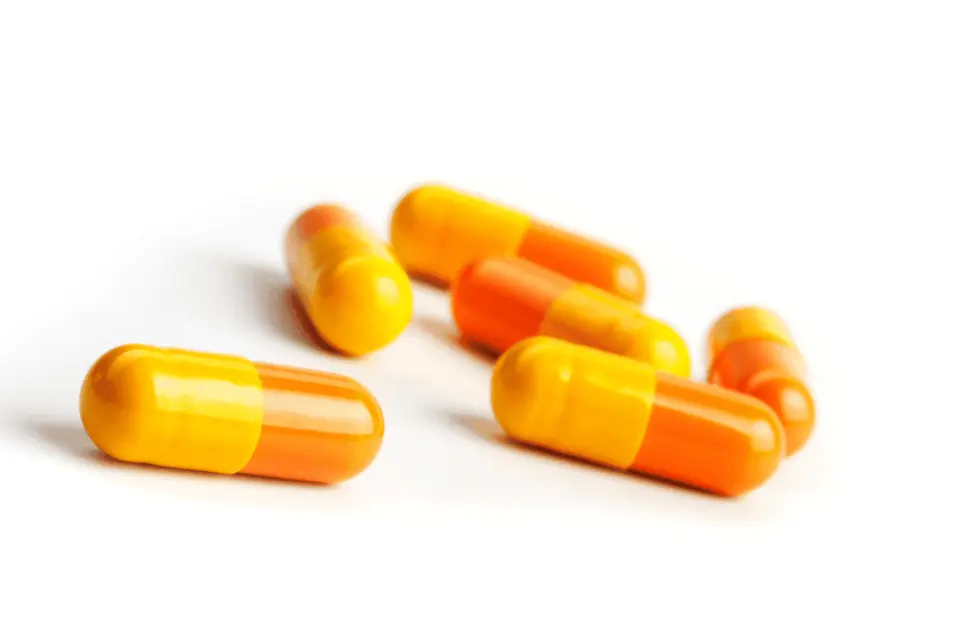
Physical examination of expired nitrofurantoin can reveal obvious signs of degradation. Capsules that appear cracked, discolored, or emit unusual odors should be discarded immediately. Liquid formulations showing separation, cloudiness, or precipitation indicate definitive breakdown and potential safety concerns.
General guidelines suggest discarding nitrofurantoin more than 6-12 months past its expiration date, particularly if storage conditions were suboptimal. However, the decision often depends on individual circumstances and the availability of fresh medication. Emergency situations in remote locations might warrant different considerations than routine UTI treatment with readily available healthcare access.
Patients should consult healthcare providers when experiencing UTI symptoms rather than relying on expired antibiotics. Modern medical practice, including AI-powered consultations, can quickly assess symptoms and provide appropriate treatment recommendations. Doctronic's platform offers 24/7 access to medical guidance, helping patients determine whether their symptoms require fresh antibiotic treatment or alternative approaches.
For those managing chronic UTI issues, maintaining a fresh supply of prescribed antibiotics eliminates the temptation to use expired medications. Healthcare providers can work with patients to develop management strategies that include appropriate antibiotic prophylaxis when indicated. Using tools like a macrobid dosing calculator ensures patients receive proper therapeutic levels from fresh prescriptions.
Proper disposal of expired nitrofurantoin protects both individual health and environmental safety. Many pharmacies and medical facilities offer take-back programs for expired medications, preventing inappropriate disposal in household trash or water systems. This responsible approach helps prevent accidental ingestion and reduces environmental contamination from pharmaceutical compounds.
While nitrofurantoin may retain some potency months past expiration, effectiveness gradually decreases. Most studies suggest antibiotics lose 10-15% potency annually after expiration. For UTI treatment effectiveness, using fresh medication is strongly recommended rather than expired pills.
Look for physical changes like capsule cracking, color changes, unusual odors, or moisture inside the bottle. Liquid formulations may show separation, cloudiness, or precipitation. Any visible deterioration indicates the medication should be discarded immediately for safety.
Expired nitrofurantoin won't directly worsen a UTI, but reduced potency may fail to eliminate bacteria effectively. This can allow the infection to persist or progress, potentially leading to kidney involvement or antibiotic resistance development over time.
Store nitrofurantoin in its original container at room temperature (68-77°F), away from bathrooms, kitchens, and direct sunlight. Keep the bottle tightly closed with desiccant packets inside. Avoid car storage or areas with temperature fluctuations for optimal preservation.
Taking recently expired nitrofurantoin once is unlikely to cause harm, but monitor for UTI symptoms. Contact your healthcare provider if symptoms persist or worsen. For ongoing treatment, obtain a fresh prescription to ensure proper infection clearance and avoid resistance.
Nitrofurantoin expiration dates mark guaranteed potency rather than immediate safety concerns, but using expired antibiotics risks treatment failure and bacterial resistance. Proper storage at room temperature away from humidity can help maintain effectiveness, though fresh prescriptions remain the gold standard for UTI treatment. Physical changes in medication appearance indicate definitive degradation requiring disposal. Doctronic's AI consultations provide 24/7 access to medication guidance and UTI treatment options, with 99.2% treatment plan alignment with board-certified physicians. This article is informational and is not a medical diagnosis. Confirm with a licensed clinician, especially for new, worsening, or high-risk symptoms.
Explore treatment options
Chat Now