
Do Urgent Cares Offer MRI Scans? What Imaging Is Actually Available

Medically reviewed by Alan Lucks | MD, Alan Lucks MDPC Private Practice - New York on July 23rd, 2026.
Published on June 23rd, 2025. Updated on July 23rd, 2026.
Key takeaways
Equipment costs of $1-3 million per MRI machine make them financially impractical for most urgent care facilities, which focus on high-volume, lower-cost services.
Specialized infrastructure requirements include lead-lined rooms, powerful cooling systems, and electromagnetic shielding that most urgent care centers lack.
Scan procedures take 15-60 minutes depending on the body area being imaged, requiring patients to remain completely motionless while removing all metal objects beforehand.
Dedicated imaging centers and hospitals employ board-certified radiologists who can interpret complex MRI results, unlike urgent care physicians who typically read basic X-rays and lab tests.
Telehealth consultations provide a convenient pathway to obtain MRI referrals without scheduling in-person appointments, often with same-day imaging orders.
Does urgent care do MRI scans? In most cases, no. Urgent care centers rarely have MRI machines on-site due to the cost, space, and staffing those machines require. If you need an MRI, you'll typically need a referral to a dedicated imaging center or hospital — and our AI doctor can help you get there faster.
Understanding Urgent Care Facilities
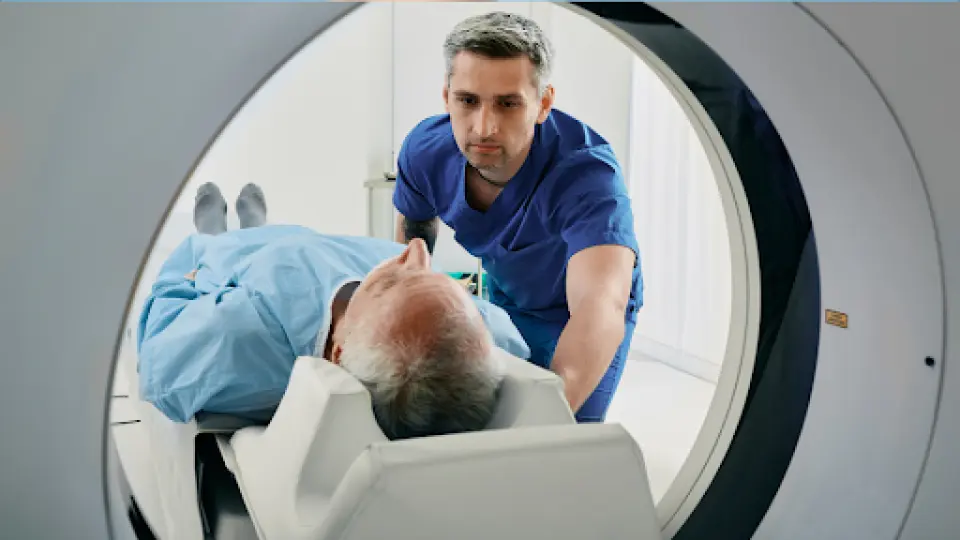
Urgent care centers have become a popular alternative to emergency rooms for many patients. They are typically open after hours and on weekends, making them a convenient choice for those who need medical attention outside of regular office hours. These facilities are equipped to handle a variety of conditions, including minor injuries, infections, and illnesses. The rise of urgent care centers has significantly changed the landscape of healthcare, providing patients with quicker access to treatment and alleviating some of the burden on emergency rooms, which can often be overcrowded and stressful environments.
What Services Do Urgent Care Centers Typically Provide?
Most urgent care centers are staffed with healthcare professionals who can perform a range of services, including:
Physical examinations
Minor wound care and suturing
Diagnostic tests such as X-rays and lab work
Vaccinations and preventive care
However, while they offer many essential services, urgent care centers are not equipped for all types of medical imaging. This limitation often leads patients to wonder whether they can receive MRI scans at these facilities. In addition to the services listed, many urgent care centers also provide treatment for common ailments such as allergies, colds, and flu, as well as sports injuries and skin conditions. This wide range of services makes them a versatile option for patients seeking immediate care without the long wait times often associated with emergency departments.
Why Urgent Care Centers Don't Offer MRI Scans
Magnetic Resonance Imaging (MRI) is a complex diagnostic tool that requires specialized equipment and trained personnel. Unlike X-rays or basic lab tests, MRIs are typically conducted in dedicated imaging centers or hospitals. There are several reasons why urgent care centers do not generally offer MRI scans:
Equipment and Space: MRI machines are large, expensive, and require specific installation conditions. Most urgent care facilities do not have the space or resources to accommodate such equipment.
Specialized Training: Performing an MRI requires specialized training for technicians. Urgent care centers typically employ general practitioners and nurses who may not have the necessary expertise.
Referral Process: In many cases, a physician's referral is needed for an MRI. Urgent care centers often focus on immediate treatment rather than diagnostic referrals.
Additionally, the cost associated with MRI scans can be a significant factor. These scans are often more expensive than other diagnostic tests, and many urgent care centers aim to provide affordable care options for patients. This focus on cost-effectiveness means that urgent care facilities prioritize services that can be delivered quickly and efficiently, ensuring that patients receive the care they need without unnecessary financial burden. Furthermore, the urgency of care in these settings often revolves around conditions that can be diagnosed and treated with more accessible imaging techniques, such as X-rays or ultrasound, which are more suited to the immediate needs of patients seeking urgent care.
Alternative Options for MRI Scans
There are several alternatives to consider for patients needing an MRI. While urgent care centers may not provide this service, numerous other facilities specialize in diagnostic imaging.
Dedicated Imaging Centers
Dedicated imaging centers are specifically designed to perform various imaging tests, including MRI scans. These facilities are equipped with the necessary technology and staffed by trained professionals. Patients can often get MRI scans done quickly and efficiently. Many imaging centers also offer flexible scheduling, making it easier to find a time that works for the patient. Moreover, these centers often focus on patient comfort, providing amenities such as calming environments and entertainment options during the scan, which can help alleviate anxiety for those who may be nervous about the procedure.
Hospitals
Most hospitals have MRI machines available for patients. In addition to performing the scans, hospitals often have radiologists on-site to interpret the results. This can be beneficial for patients who may require immediate follow-up care based on their MRI results. Furthermore, hospitals typically have access to a broader range of medical services, which can be crucial for patients who may need additional tests or treatments based on their findings. The comprehensive care provided in a hospital setting can streamline the patient experience, ensuring that all necessary evaluations and interventions are conducted in a timely manner.
Telehealth Options
For those who prefer a more convenient approach, telehealth services like Doctronic provide a modern solution. Patients can consult with healthcare professionals online, receive advice, and obtain referrals for necessary imaging tests, including MRIs. This approach not only saves time but also allows patients to access medical expertise from the comfort of their homes. Additionally, telehealth can facilitate follow-up consultations post-MRI, allowing patients to discuss results and treatment options without the need for in-person visits. This can be particularly advantageous for individuals living in remote areas or those with mobility challenges, ensuring that quality healthcare is accessible to everyone.
Can Urgent Care Order an MRI? Understanding the Referral Process
Even if urgent care centers don't perform MRI scans themselves, many can still play a role in getting you access to one. Whether an urgent care provider can order an MRI for you depends on the facility, your symptoms, and your insurance plan.
When urgent care can order an MRI
Some urgent care centers — particularly those affiliated with larger health systems — have the ability to submit an MRI referral or order on your behalf. If you come in with a concerning injury, persistent neurological symptoms, or unexplained pain that warrants advanced imaging, the provider may write an order for an MRI at a nearby imaging center or hospital. You would then schedule that appointment separately.
Keep in mind that not all urgent care facilities have this capability. Standalone or independent urgent care clinics may instead recommend you follow up with your primary care physician or a specialist, who can then place the imaging order.
When urgent care is not the right first step
For non-emergency situations — say, a nagging knee injury or recurring back pain — urgent care is often not the fastest path to an MRI. You may wait in line at urgent care, receive a referral, and then wait again for an imaging appointment. In these cases, going directly to your primary care doctor or using a telehealth service to request a referral can cut out a step and save time.
For true emergencies — severe head trauma, suspected stroke, or sudden loss of sensation — go to an emergency room, not urgent care. ERs have MRI machines available on-site and can perform the scan as part of your immediate workup.
Urgent care vs. hospital for MRI: a quick comparison
Urgent care centers excel at fast, affordable treatment for injuries and infections, but their imaging capabilities are generally limited to X-rays and, occasionally, ultrasound. Hospitals offer the full spectrum of diagnostic imaging — X-ray, CT scan, and MRI — along with on-site radiologists who can interpret results in real time. Dedicated imaging centers fall somewhere in between: they specialize in imaging, often have shorter wait times than hospitals, and can be more affordable.
If you're unsure whether you need an MRI or which facility to go to, our AI doctor can review your symptoms, help you understand which imaging is appropriate, and assist with getting a referral — all without leaving home.
The Role of Telehealth in Modern Healthcare
Telehealth has transformed the way patients access medical care. With the rise of digital health solutions, patients can now consult with doctors without needing to visit a physical office. This is particularly beneficial for individuals living in remote areas or those with mobility issues. Moreover, the convenience of telehealth allows patients to seek medical advice from the comfort of their homes, reducing the stress often associated with traditional healthcare visits. This shift not only enhances patient satisfaction but also encourages individuals to seek care sooner, potentially leading to better health outcomes.
Benefits of Using Telehealth Services
Utilizing telehealth services such as Doctronic offers numerous advantages:
Accessibility: Patients can connect with healthcare providers 24/7, eliminating the need to wait for an appointment.
Cost-Effectiveness: Many telehealth services are more affordable than traditional in-person visits.
Personalized Care: AI-driven platforms can remember patient history and preferences, providing tailored recommendations and follow-ups.
In addition to these benefits, telehealth services can significantly reduce the burden on healthcare facilities. By allowing patients to address minor health concerns remotely, hospitals and clinics can allocate their resources more effectively, focusing on patients who require in-person care. This not only enhances the efficiency of healthcare systems but also helps in managing patient flow, particularly during peak times or public health emergencies.
How Telehealth Can Facilitate Imaging Referrals
When patients consult with a telehealth provider, they can discuss their symptoms and medical history. If an MRI is deemed necessary, the provider can issue a referral to a local imaging center or hospital. This streamlines the process, allowing patients to receive the care they need without unnecessary delays. Furthermore, telehealth platforms often include integrated systems that allow for seamless sharing of imaging results between providers, ensuring that all parties involved in a patient's care are on the same page. This level of coordination can lead to quicker diagnoses and more effective treatment plans, ultimately improving patient outcomes.
Additionally, telehealth can enhance the patient experience by providing educational resources and follow-up care instructions directly through the platform. Patients can receive guidance on what to expect during their imaging appointments, as well as tips for post-procedure care. This proactive approach not only empowers patients to take charge of their health but also fosters a sense of trust and transparency between them and their healthcare providers.
See a doctor online today
A licensed doctor can review your symptoms online, talk through next steps, and send a prescription to your pharmacy if appropriate.
- $39 video visit
- Insurance accepted
- 4.8 on Trustpilot
What to Expect During an MRI Scan
Understanding what to expect can alleviate anxiety for those unfamiliar with the MRI process. An MRI scan is a noninvasive procedure that uses magnetic fields and radio waves to create detailed images of the body's internal structures. This advanced imaging technique is particularly valuable for diagnosing a variety of conditions, from torn ligaments to tumors, and it plays a crucial role in treatment planning.
Preparation for the MRI
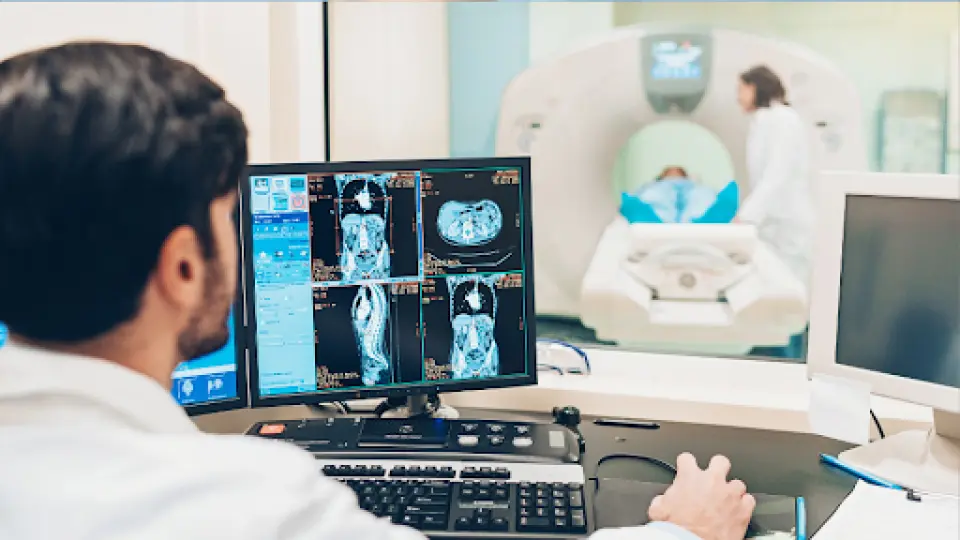
Before undergoing an MRI, patients may need to follow specific guidelines, including:
Removing any metal objects, such as jewelry or watches, as they can interfere with the imaging process.
Inform the technician about any implants, pacemakers, or other medical devices that may be affected by the MRI.
In some cases, fasting for a few hours prior to the scan may be required, especially if contrast dye is used.
Additionally, patients should wear comfortable clothing, preferably without metal fasteners, to ensure a smooth process. It’s also advisable to arrive at the facility early to complete any necessary paperwork and to allow time for the technician to answer any questions or concerns. This preparation can significantly enhance the overall experience and help the patient feel more at ease.
During the MRI Scan
During the scan, patients will lie on a table that slides into the MRI machine. It is essential to remain still during the imaging process to ensure clear pictures are obtained. The scan itself typically lasts between 15 to 60 minutes, depending on the area being examined. Patients may hear a series of loud thumping or tapping noises during the scan, which is perfectly normal and caused by the machine's operation. To help mitigate any discomfort or anxiety, many facilities offer headphones or earplugs, and some even allow patients to listen to music of their choice.
After the MRI Scan
Once the MRI is complete, patients can usually resume their normal activities immediately. The images will be analyzed by a radiologist, who will provide a report to the referring physician. Depending on the findings, further treatment or follow-up may be necessary. In some cases, patients might receive a preliminary report on the same day, while in others, it may take a few days for the results to be processed. It’s important for patients to schedule a follow-up appointment with their doctor to discuss the results and any potential next steps.
Moreover, some patients may experience a sense of relief or anxiety after the scan, especially if they have been awaiting results for a specific health concern. It's completely normal to have a range of emotions during this time. Engaging in calming activities, such as deep breathing or light exercise, can be beneficial while waiting for results. Understanding the process and knowing what to expect can help transform what might seem like a daunting experience into a manageable one.
MRI Access: Know Where to Go
While urgent care centers play a vital role in providing immediate medical attention, they typically do not offer MRI scans due to equipment and staffing limitations. Patients in need of an MRI should consider dedicated imaging centers or hospitals, both of which are equipped to perform these scans. Additionally, telehealth services like Doctronic can facilitate consultations and referrals, making it easier for patients to navigate their healthcare needs.
As healthcare continues to evolve, embracing technology and innovative solutions will remain crucial in providing timely and effective care. Whether through in-person visits or telehealth consultations, patients have more options than ever to ensure they receive the necessary diagnostic imaging and follow-up care.
Experience the Future of Healthcare with Doctronic
If you're in need of an MRI scan and want to avoid the hassle of traditional healthcare pathways, Doctronic is here to revolutionize your experience. As the #1 AI Doctor, we offer free AI doctor visits on our website, providing you with a diagnosis that you can take to any doctor for further help and treatment. For added convenience, we also provide affordable telehealth video visits with our doctors, available 24/7 across all 50 states. Join over 10 million people who have already experienced the smarter, faster, and more personal medical care that Doctronic provides. Skip the line. Talk to an AI Doctor Now, for free.
Frequently Asked Questions
Most urgent care centers do not perform MRI scans on-site. MRI machines are large, expensive, and require specialized staff that most urgent care facilities don't have. If you need an MRI, your urgent care provider may refer you to a dedicated imaging center or hospital.
Some urgent care centers — especially those connected to larger health systems — can write an MRI order or referral. However, many standalone clinics will direct you to your primary care doctor or a specialist instead. Telehealth services can also issue imaging referrals quickly if you don't have a regular doctor.
Most urgent care centers offer X-rays and basic lab tests. Some locations also have ultrasound capability. Advanced imaging like MRI or CT scans is generally not available at urgent care and requires a visit to a hospital or dedicated imaging center.
Hospitals are usually the fastest option if you need an MRI urgently, especially for emergencies like suspected stroke or severe head trauma. For non-emergency MRIs, a dedicated imaging center often has shorter wait times and lower costs than a hospital. Urgent care is generally not the quickest route to an MRI.
You can get an MRI referral from your primary care doctor, a specialist, a hospital emergency department, or through a telehealth service. Our AI doctor can review your symptoms and help determine whether an MRI is the right next step, then connect you with a provider who can issue the referral.
The Bottom Line
Urgent care centers rarely offer MRI services due to the substantial equipment costs and specialized requirements, so patients need referrals to imaging centers or hospitals for these scans. The most efficient approach is obtaining a referral through telehealth or your primary care provider rather than visiting urgent care first. If you're unsure about the right imaging option for your symptoms, Doctronic can help guide you to appropriate care.
References
Related articles
Understand your test results
Chat Now