Skin Cancer
Cancerous Moles vs. Normal Moles: A Visual Guide to Melanoma Warning Signs
April 17, 2026
6 min read

Medically reviewed by Lauren Okafor | MD, The Frank H Netter MD School of Medicine, Loyola University Medical Center on April 23rd, 2026.
Published on March 30th, 2026. Updated on July 23rd, 2026.
Ankle swelling after exercise is common and usually results from increased blood flow, gravity, and temporary inflammation in working muscles.
Heat, sodium imbalance, and poor footwear choices are frequent culprits behind post-workout ankle swelling.
The P.O.L.I.C.E. method (Protection, Optimal Loading, Ice, Compression, Elevation) is the current standard for immediate relief.
Red flags requiring medical attention include severe pain, redness, warmth, or swelling in only one ankle.
Chronic or recurring ankle swelling may signal underlying conditions like venous insufficiency or heart problems.
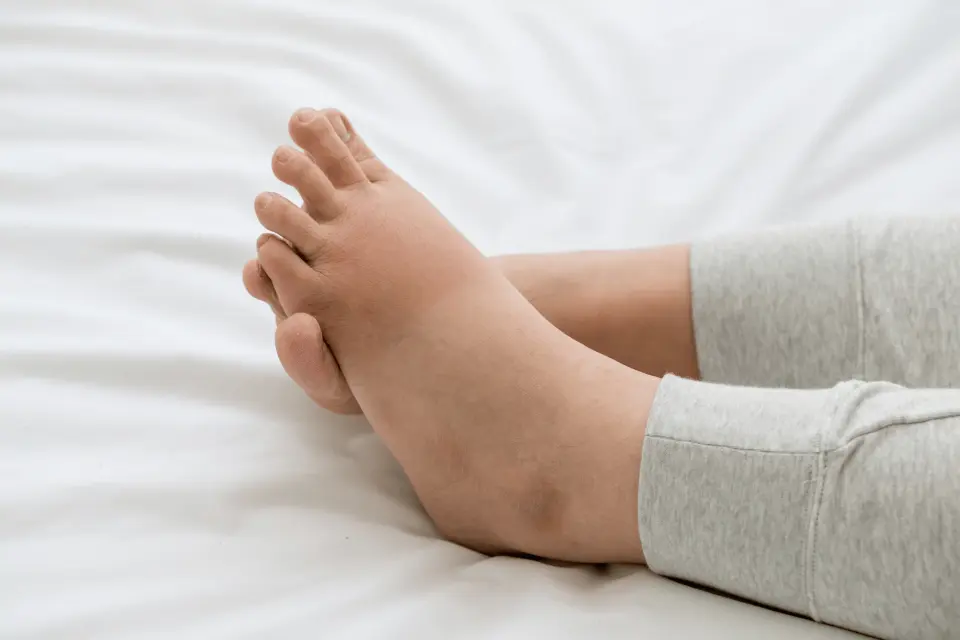
Swollen ankles after exercise are common and usually harmless. The body responds to physical activity by increasing blood flow to working muscles, and fluid can accumulate in the lower extremities as a result. This is called exercise-induced edema, and it typically resolves within a few hours on its own.
Understanding why this happens helps separate normal post-exercise swelling from situations that warrant concern. Swollen ankles after exercise, also known as edema , are often due to increased blood flow and temporary inflammation. This response is part of the body's natural recovery process. The key is knowing when swelling falls within normal limits and when it signals something more serious.
During exercise, the heart pumps more blood to deliver oxygen and nutrients to active muscles. Blood vessels dilate to accommodate this increased flow. Small amounts of fluid naturally leak from capillaries into surrounding tissues during this process. The lymphatic system typically clears this fluid, but it can lag behind during intense or prolonged activity. Swollen ankles from running and other high-impact activities are especially common because repeated foot strikes accelerate fluid movement into the lower legs.
Standing and walking keep blood circulating through the legs. When exercise stops abruptly, gravity pulls fluid downward into the feet and ankles. This phenomenon, called dependent edema, explains why swelling often worsens after sitting down post-workout rather than during the activity itself.
Exercise-induced edema is the temporary buildup of fluid in the lower legs, ankles, and feet that follows physical activity. It is one of the most common complaints among runners, cyclists, and anyone who exercises in warm or humid conditions. The condition is not a disease, but rather a predictable physiological response to the demands placed on the cardiovascular and lymphatic systems during and after a workout.
Fluid shifts during exercise because blood pressure inside the capillaries rises significantly when the heart is working hard. This elevated pressure pushes a small amount of plasma out of the vessels and into the surrounding tissue. Normally the lymphatic system collects this excess fluid and routes it back into circulation. When exercise intensity or duration is high, the rate of leakage outpaces the lymphatic system's ability to keep up, and visible swelling results.
Some people are more prone to exercise-induced edema than others. Factors that increase susceptibility include:
Age: Vein and lymphatic vessel elasticity decreases over time, making fluid return less efficient.
Exercise intensity: High-intensity interval training, long-distance running, and prolonged standing workouts generate more capillary pressure than lower-intensity activity.
Hot or humid weather: Heat causes blood vessels to dilate further, allowing more fluid to escape into tissues.
Hormonal fluctuations: Estrogen influences fluid retention, so women may notice more swelling at certain points in their menstrual cycle.
Recent increase in training volume: Jumping to longer distances or heavier loads before the body has adapted is a frequent trigger for first-time swelling episodes.
For most people, swelling peaks within one to two hours after a workout and then begins to subside. Lying down, elevating the legs, and staying hydrated all help the process along. Swelling that is still present the next morning, or that worsens over successive workouts, should be evaluated by a doctor. Persistent edema can occasionally point to an underlying issue with circulation, kidney function, or heart health that a physical exam and basic lab work can help identify.
Understanding that exercise-induced edema is a spectrum is important. Mild puffiness after a long run is normal. Significant swelling that limits movement, causes pain, or appears in only one ankle is not typical and warrants a closer look.
Several factors contribute to post-exercise ankle swelling beyond basic physiology. Identifying the specific cause helps determine the best approach to prevention and treatment.
Exercising in hot weather dramatically increases swelling risk. The body cools itself by dilating blood vessels near the skin's surface, allowing more fluid to escape into tissues. Hot yoga, summer running, and outdoor sports in humid conditions commonly trigger noticeable ankle bloating. Acclimatizing gradually to heat and exercising during cooler parts of the day reduces this effect.
Both dehydration and overhydration contribute to ankle swelling. Drinking too little water causes the body to retain sodium, which pulls fluid into tissues. Drinking excessive amounts of plain water during long workouts dilutes sodium levels, creating a different type of imbalance. Experts recommend approximately 3.7 liters daily for men and 2.7 liters for women (including fluids from food and beverages) to maintain optimal hydration.
Tight shoes, socks with restrictive bands, or laces tied too snugly impede blood return from the feet. Athletic shoes should have enough room to accommodate slight swelling that occurs during activity. Compression socks designed for exercise can help, but regular tight socks often make swelling worse.
Not all ankle swelling after exercise has the same cause. Distinguishing between injury-related swelling and general edema determines the appropriate response.
Injury-related swelling typically appears quickly after a specific incident. The ankle may have twisted, rolled, or been impacted during activity. Pain localizes to a specific area, and bruising often develops within hours. Weight-bearing becomes difficult or impossible. This type of swelling requires different treatment than general post-exercise edema and may need professional evaluation .
Repetitive stress injuries develop gradually over weeks or months. Runners, dancers, and athletes who perform repetitive movements frequently develop Achilles tendonitis or posterior tibial tendonitis. Swelling from overuse tends to worsen progressively and may be accompanied by stiffness, especially in the morning. Addressing overuse requires modifying training volume and intensity, not just treating symptoms.
When ankles swell after exercise, several proven methods accelerate recovery and provide comfort.
The P.O.L.I.C.E. approach (Protection, Optimal Loading, Ice, Compression, Elevation) forms the foundation of acute swelling management. Protection means avoiding activities that worsen swelling for 24 to 48 hours. Ice should be applied for 15 to 20 minutes every few hours, with a cloth barrier protecting the skin. Compression wraps provide gentle pressure that discourages fluid accumulation. Elevation works best when ankles are positioned above heart level.
Elevating the legs to improve blood circulation and reduce swelling is one of the simplest and most effective remedies. Lying down with feet propped on pillows for 20 to 30 minutes after exercise allows gravity to assist fluid drainage. Graduated compression stockings, which are tighter at the ankle and looser toward the knee, work particularly well for people prone to swelling.
Most post-exercise ankle swelling resolves within hours. Certain symptoms require prompt medical evaluation.
Swelling in only one ankle, especially with redness, warmth, or significant pain, could indicate a blood clot. This condition, called deep vein thrombosis , requires immediate medical attention. Severe pain that prevents weight-bearing suggests a possible fracture or significant ligament damage. Numbness, tingling, or skin color changes also warrant evaluation.
Persistent ankle swelling that does not resolve overnight may signal venous insufficiency, where leg veins struggle to return blood to the heart. Heart, kidney, or liver problems can also cause chronic lower extremity edema. Swelling that leaves a visible indentation when pressed (pitting edema) particularly warrants investigation. Anyone experiencing recurring ankle swelling should discuss these symptoms with a healthcare provider.
Prevention strategies reduce the frequency and severity of post-exercise ankle swelling:
Warm up gradually before intense activity to allow blood vessels to adjust
Cool down with light walking rather than stopping abruptly
Wear properly fitted athletic shoes with adequate toe room
Stay hydrated with electrolyte-containing beverages during long workouts
Avoid exercising in extreme heat until properly acclimated
Consider compression socks for activities lasting longer than an hour
Move around periodically after exercise rather than sitting for extended periods
Building these habits into a regular routine minimizes swelling episodes for most people.
Mild ankle swelling after running is common, especially during long runs or workouts in the heat. It usually resolves within a few hours with rest, hydration, and elevation. If your ankles swell after every run and the swelling persists overnight, talk to a doctor to rule out an underlying circulation or heart issue.
Exercise-induced edema tends to affect both ankles equally, comes on gradually, and resolves with rest. Injury-related swelling usually follows a specific incident like a twist or fall, appears quickly, is often limited to one ankle, and is accompanied by localized pain or bruising. If you cannot bear weight on the ankle, seek medical evaluation.
The most effective immediate approach is the P.O.L.I.C.E. method: protect the ankle, apply ice for 15 to 20 minutes, use a compression wrap, and elevate the legs above heart level for 20 to 30 minutes. Staying well hydrated and avoiding prolonged sitting after a workout also helps the lymphatic system clear excess fluid more quickly.
Yes. When the body is dehydrated, it retains sodium to conserve water, which draws fluid into surrounding tissues and can cause swelling in the lower extremities. Drinking fluids with electrolytes during and after long workouts helps maintain the right balance and reduces this risk.
See a doctor if swelling is in only one ankle, is accompanied by redness, warmth, or significant pain, or does not resolve overnight. These symptoms can indicate a blood clot or deep vein thrombosis, which requires prompt medical attention. Recurring or worsening swelling across multiple workouts is also worth discussing with a healthcare provider.
Bloated ankles after exercise usually result from normal physiological responses and resolve quickly with basic self-care. When symptoms persist or include warning signs like asymmetry, severe pain, or redness, professional evaluation becomes essential. For quick answers about concerning symptoms, visit Doctronic.ai for 24/7 AI-powered medical guidance and affordable telehealth consultations with licensed physicians.
Mayo Clinic: Edema, Symptoms and Causes Mayo Clinic: Deep Vein Thrombosis
Get advice about bloated ankles after exercise
Chat Now
Join 50,000+ readers using Doctronic to understand symptoms, medications,
and next steps.
Add your phone number below to get health updates and exclusive VIP offers.
By providing your phone number, you agree to receive SMS updates from Company. Message and data rates may apply. Reply “STOP” to opt-out anytime. Read our Privacy Policy and Terms of Service for more details.
Save your consults. Talk with licensed doctors and manage your health history.