Mental Health
How to Calm an Anxiety Attack: Techniques That Work in the Moment
April 17, 2026
6 min read

Medically reviewed by Lauren Okafor | MD, The Frank H Netter MD School of Medicine, Loyola University Medical Center on April 14th, 2026.
Published on February 27th, 2026. Updated on September 11th, 2026.
Every 10 pounds above ideal weight increases low back pain risk by approximately 4–6%
Each pound of body weight adds up to 4 pounds of compressive force on the spine
Excess weight triggers inflammation that makes nerves more sensitive to pain
Chronic pain creates a cycle of reduced activity, poor sleep, and further weight gain
Low-impact exercise and anti-inflammatory nutrition can break this cycle
Your spine carries more than just your body weight. It absorbs shock, enables movement, and protects your spinal cord. When extra pounds accumulate, the spine pays a steep price. Research shows that for every pound of body weight gained, the spine can experience up to 4 additional pounds of compressive force. During lifting, each extra pound may increase spinal load by 8 to 15 pounds in the lower back, depending on posture and technique. This mechanical burden explains why weight gain and back pain so often go hand in hand.
The discs between your vertebrae act like cushions. They contain a gel-like center surrounded by tough outer rings. Extra weight compresses these discs constantly, squeezing out fluid and reducing their shock-absorbing ability. Over time, this compression leads to disc degeneration, bulging, and herniation.
Belly fat shifts your center of gravity forward. Your lower back muscles must work overtime to keep you upright. This constant strain leads to muscle fatigue, spasms, and chronic pain. Many people develop an exaggerated curve in their lower spine called hyperlordosis.
The facet joints connecting your vertebrae bear increased stress with extra weight. This accelerates arthritis development. Cartilage breaks down faster, bone spurs form, and joint inflammation becomes chronic.
Weight affects your spine through more than just mechanics. Fat tissue is metabolically active. It releases chemicals that increase inflammation throughout your body, including your spine.
Fat cells produce proteins called cytokines. These include TNF-alpha and interleukin-6, which trigger inflammation. Higher body fat means more cytokine production. This creates a state of chronic low-grade inflammation that sensitizes pain receptors and damages joint tissues.
Excess weight often leads to insulin resistance. This metabolic change affects nerve function directly. Nerves become more sensitive to pain signals. Blood sugar fluctuations can damage small nerve fibers over time. Doctronic.ai can help you understand how metabolic factors might be contributing to your symptoms.
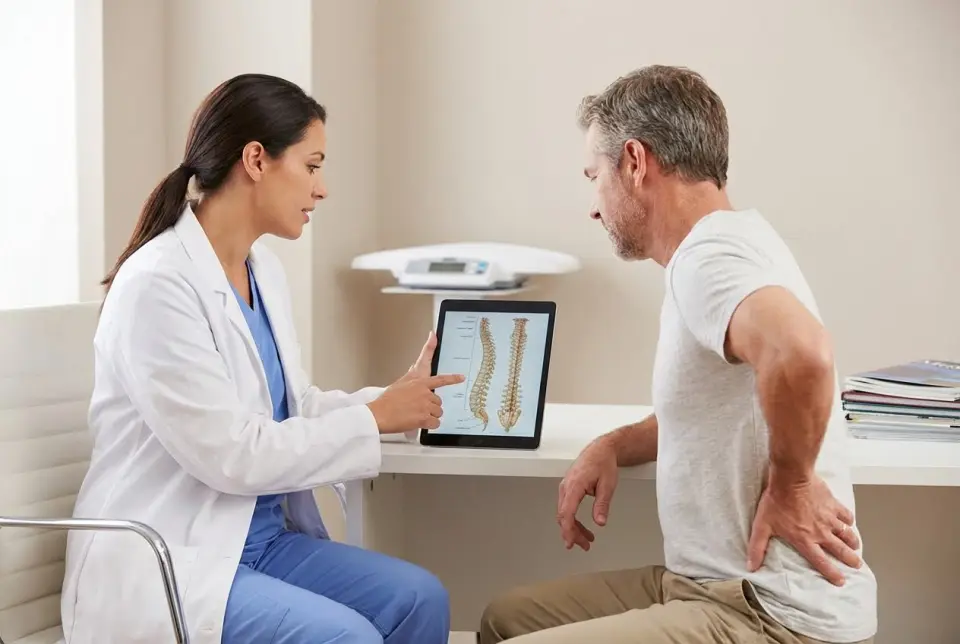 The Vicious Cycle: How Pain Leads to Further Weight Gain
Back pain and weight gain feed each other. Pain makes exercise difficult. Reduced activity leads to more weight gain. More weight increases pain. Breaking this cycle requires understanding each component.
When your back hurts, movement feels risky. Many people avoid exercise entirely. This sedentary shift reduces calorie burn and muscle mass. Weaker muscles provide less spinal support, making pain worse.
Chronic pain triggers stress hormones. Cortisol increases appetite and promotes fat storage around the midsection. Many people turn to food for comfort when dealing with persistent pain. These calories accumulate quickly.
Back pain disrupts sleep. Poor sleep increases hunger hormones and decreases satiety signals. Tired people make worse food choices. Sleep deprivation also reduces willpower and motivation for exercise.
Certain spinal conditions respond especially poorly to excess weight. The global burden of low back pain linked to high BMI has risen dramatically over recent decades, reflecting how increasing obesity rates have significantly worsened spinal health worldwide.
Excess weight increases disc pressure constantly. This pressure can push the disc's inner gel through weak spots in the outer ring. The herniated material presses on nearby nerves, causing pain, numbness, and weakness in the legs.
Spinal stenosis means narrowing of the spinal canal. Extra weight accelerates the arthritic changes that cause this narrowing. Fat deposits can also take up space within the canal. Both factors squeeze the spinal cord and nerve roots.
This condition occurs when one vertebra slips forward over another. Extra weight increases the shearing forces that cause slippage. The condition worsens faster in overweight individuals.
Weight control and maintaining a lower BMI in the healthy range can be beneficial for low back pain symptoms. The good news: even modest weight loss produces meaningful pain relief.
Swimming, water aerobics, and cycling burn calories without jarring your spine. Walking on flat surfaces works for most people. Recumbent bikes support your back while providing cardio. Start slowly and increase duration before intensity.
Focus on foods that reduce inflammation:
Fatty fish like salmon and mackerel
Leafy greens and colorful vegetables
Nuts, especially walnuts and almonds
Olive oil as your primary cooking fat
Berries and other antioxidant-rich fruits
Avoid processed foods, refined sugars, and excessive red meat. These promote inflammation and weight gain.
Strong core muscles support your spine from the front. Planks, bird-dogs, and dead bugs build core strength without stressing your back. Doctronic.ai can provide personalized guidance on exercises appropriate for your specific condition.
Research shows that for every 10 pounds a person gains above their ideal weight, their risk of low back pain increases by roughly 4–6%. This means losing even 10-20 pounds can make a noticeable difference in pain levels.
Yes. Chronic back pain reduces physical activity and disrupts sleep. Both factors promote weight gain. Pain also triggers stress eating in many people.
High-impact activities like running and jumping stress the spine. Heavy weightlifting, especially deadlifts and squats with poor form, can worsen disc problems. Sit-ups and toe touches put excessive strain on the lower back.
Yes, especially if pain persists beyond a few weeks, radiates down your legs, or causes numbness or weakness. Doctronic.ai offers free AI consultations to help you understand your symptoms and determine when to seek in-person care.
Back pain and weight gain often reinforce each other. Extra weight increases mechanical load on the spine, while pain can limit activity and make further weight gain more likely. Inflammation also plays a role, as excess body fat can contribute to a pro-inflammatory state that worsens pain sensitivity.
Breaking this cycle requires a combined approach. Improving movement mechanics through physical therapy or guided exercise helps reduce strain on the spine. Addressing inflammation with nutrition, sleep, and stress management supports overall recovery. Gradual increases in activity, especially low-impact options like walking or swimming, help rebuild tolerance without worsening symptoms.
Even modest weight loss can meaningfully reduce spinal load and improve pain. When paired with consistent exercise and healthy lifestyle changes, it can lead to better mobility, less discomfort, and improved long-term spine health.
If you need guidance on managing back pain or understanding how weight affects your spine, consider trying Doctronic's free AI doctor visits at Doctronic.ai. Over 10 million people have used the platform to get personalized health insights, and you can take any recommendations to your doctor for treatment.
Get pain relief advice
Chat Now
Join 50,000+ readers using Doctronic to understand symptoms, medications,
and next steps.
Add your phone number below to get health updates and exclusive VIP offers.
By providing your phone number, you agree to receive SMS updates from Company. Message and data rates may apply. Reply “STOP” to opt-out anytime. Read our Privacy Policy and Terms of Service for more details.
Save your consults. Talk with licensed doctors and manage your health history.