
Betamethasone Side Effects: Common and Serious Risks

Medically reviewed by Alan Lucks | MD, Alan Lucks MDPC Private Practice - New York on December 19th, 2025.
Published on December 17th, 2025. Updated on July 24th, 2026.
Key takeaways
Betamethasone is a powerful corticosteroid used to treat inflammation and various medical conditions.
Side effects range from mild skin irritation to serious systemic effects, depending on dosage and duration.
Common side effects include skin thinning, burning, itching, redness, and increased susceptibility to infections.
Serious side effects can involve hormonal imbalances, mood changes, and elevated blood sugar levels.
Managing side effects involves proper usage, regular monitoring, and seeking medical guidance when new symptoms appear.
Questions about betamethasone side effects?
Free. Anonymous. Built by doctors.
This article covers general information. Ask Doctronic about your symptoms, medications, side effects, or treatment options.
Understanding Betamethasone Side Effects
Betamethasone side effects range from mild skin irritation to serious systemic changes, and knowing what to watch for helps you use it safely. Betamethasone is a potent synthetic corticosteroid prescribed for conditions like eczema, psoriasis, dermatitis, and arthritis. It works by mimicking cortisol to reduce redness, swelling, and itching. It comes in creams, ointments, tablets, and injections, and its potency makes proper dosing and duration essential.
Long-term or excessive use of Betamethasone can lead to significant side effects. One of the most concerning conditions is Cushing’s syndrome , a condition associated with weight gain, elevated blood pressure, thinning skin, and hormonal imbalances. Psychological effects may also occur; some patients experience mood swings, anxiety, irritability, or depressive symptoms while undergoing corticosteroid therapy. These potential reactions highlight the importance of regular monitoring and open communication with a healthcare provider.
Lifestyle strategies, such as maintaining a balanced diet, staying active, and following a consistent treatment schedule, can help minimize unwanted effects. If any new or concerning symptoms appear, medical guidance should be sought promptly. Doctronic.ai makes it easier for patients to receive personalized advice, adjust treatment plans, and ensure Betamethasone is used safely and effectively.
1. Skin Thinning and Irritation
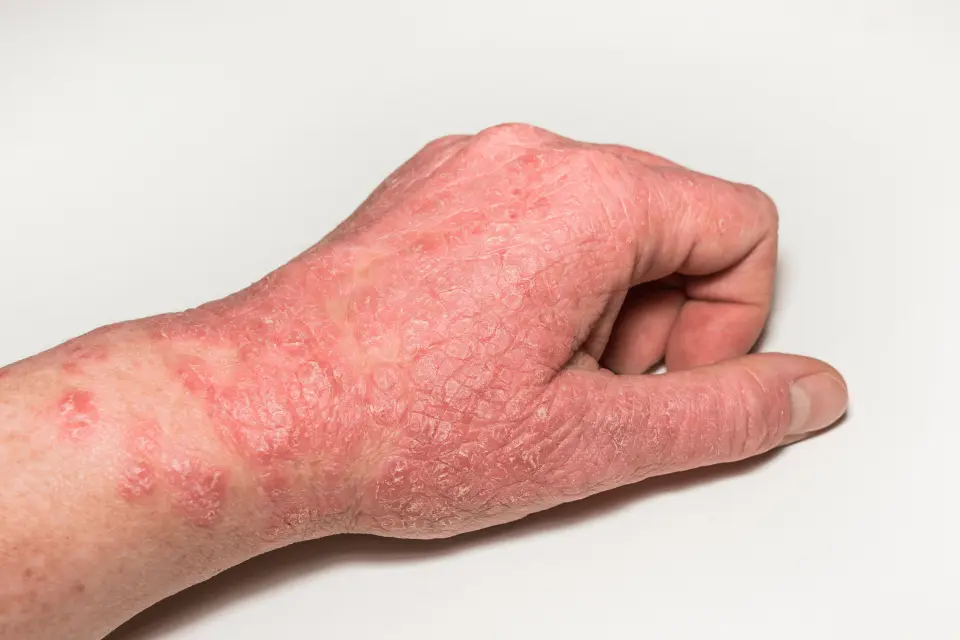
One of the most common betamethasone cream side effects is skin thinning, also called atrophy. This happens because corticosteroids reduce collagen production, weakening the skin's structure. You might notice the skin becoming more fragile, bruising easily, or developing stretch marks.
Redness, burning, or itching can also occur, especially if the medication is applied too frequently or on sensitive areas like the face. These symptoms usually develop gradually and can be minimized by following your doctor’s instructions carefully.
Betamethasone Cream Side Effects: What Topical Users Should Know
Betamethasone cream is one of the most widely prescribed topical corticosteroids, and it is effective for reducing skin inflammation. However, using it incorrectly or for too long can lead to local and systemic side effects that are important to understand before starting treatment.
The most frequently reported betamethasone cream side effects are local reactions at the application site. These include burning, stinging, dryness, and redness, especially when the cream is first applied. For most people, these symptoms are mild and settle within the first few days of use.
Skin Changes With Long-Term Use
Extended use of betamethasone cream can cause the skin to thin and lose elasticity. This is more likely when the cream is applied under occlusive dressings, used on the face or skin folds, or applied for longer than recommended. Stretch marks, easy bruising, and visible small blood vessels under the skin can develop over time.
Hypopigmentation, or lightening of the skin, is another possible effect. This occurs because corticosteroids can slow melanin production in the treated area. In many cases this fades after stopping the medication, but it can persist.
Systemic Absorption From Topical Use
Betamethasone cream can be absorbed through the skin into the bloodstream. The amount absorbed depends on the skin area being treated, how often the cream is applied, and whether it is covered. Children, people with broken skin, and those using large amounts over large areas face the highest risk of systemic absorption.
Systemic absorption can suppress the adrenal glands, raise blood sugar levels, and in rare cases cause Cushing's syndrome-like symptoms such as weight gain and fluid retention. This risk is why betamethasone cream is generally not recommended for use on the face, groin, or underarms unless a doctor specifically directs it.
How to Minimize Cream Side Effects
Apply only a thin layer to the affected area and avoid wrapping the skin tightly after application unless instructed. Do not use betamethasone cream on children under two years old without medical supervision, and follow any age-specific dosing limits your doctor provides. If you notice skin changes, unusual bruising, or symptoms beyond the treated area, contact a doctor promptly.
Our AI doctor at Doctronic can help you review your current use of betamethasone cream and flag any patterns that may increase your side-effect risk.
2. Increased Risk of Infection
Betamethasone suppresses the immune system, which can reduce your body’s ability to fight infections. This means infections may develop more easily or worsen, particularly fungal and bacterial infections on the skin.
If you notice increased redness, swelling, or pus at the treatment site, it’s important to seek medical advice promptly. Using Betamethasone on infected skin without supervision can make the infection worse.
3. Hormonal Imbalance and Adrenal Suppression
When taken in high doses or for prolonged periods, Betamethasone can interfere with your body’s natural hormone production. This may lead to adrenal suppression, where your adrenal glands produce less cortisol, a vital hormone for stress response and metabolism.
Symptoms of adrenal suppression include fatigue, muscle weakness, weight loss, and low blood pressure. This side effect is more common with oral or injected forms rather than topical use, but it’s important to monitor if you are on long-term therapy.
4. Mood Changes and Psychological Effects
Some patients experience mood swings, anxiety, or even depression while using Betamethasone. These psychological side effects are linked to how corticosteroids affect brain chemistry and hormone levels.
Although not everyone will have these symptoms, it’s important to report any sudden changes in mood or behavior to your healthcare provider. Adjusting the dose or switching medications might be necessary.
5. Elevated Blood Sugar Levels
Betamethasone can raise blood sugar levels, which is especially important for people with diabetes or those at risk. This happens because corticosteroids promote glucose production and reduce its uptake by cells.
Monitoring blood sugar regularly is advised if you are on Betamethasone, particularly with oral or injectable forms. Your doctor may need to adjust your diabetes medications accordingly.
6. Eye Problems
Prolonged use of Betamethasone near the eyes can increase the risk of cataracts and glaucoma. These conditions affect vision and can lead to serious complications if untreated.
Always avoid applying corticosteroid creams directly on the eyelids unless prescribed, and have regular eye check-ups if you use Betamethasone long-term.
7. Gastrointestinal Issues
Oral Betamethasone may cause stomach irritation, ulcers, or indigestion. Taking the medication with food can help reduce these effects. If you experience severe stomach pain or black stools, seek medical help immediately.
How to Manage and Reduce Side Effects of Betamethasone
Use as Directed
Following your doctor’s instructions precisely is the best way to avoid side effects. Use the smallest effective dose for the shortest duration possible. Avoid applying topical forms on broken or infected skin unless advised.
Monitor Your Health Regularly
Keep track of any new symptoms or changes in your health. Regular check-ups, blood tests, and eye exams may be necessary, especially for long-term users.
Communicate with Your Healthcare Provider
If side effects develop, don’t hesitate to reach out to your doctor. Adjustments in dosage or alternative treatments might be recommended to keep you safe and comfortable.
Personalized Support with Doctronic.ai
Doctronic.ai is an innovative AI-powered telehealth platform that can help you understand and manage Betamethasone side effects. By drawing on the latest medical research and your personal health history, Doctronic provides tailored advice and treatment recommendations.
Whether you have questions about side effects or need a quick consultation, Doctronic offers 24/7 video visits with licensed doctors across all 50 states at affordable prices. Visit Doctronic.ai to get personalized care from the comfort of your home.
Betamethasone Allergic Reactions and Warnings
Although rare, some people may develop allergic reactions to Betamethasone. Signs include rash, itching, swelling, dizziness, or difficulty breathing. These symptoms require immediate medical attention.
Inform your healthcare provider if you have a history of allergies to corticosteroids or other medications before starting Betamethasone.
When to Contact Your Doctor About Betamethasone Side Effects
Seek medical advice if you experience:
Severe skin irritation or signs of infection
Unexplained fatigue, muscle weakness, or weight loss
Sudden mood changes or psychological distress
High blood sugar symptoms, such as increased thirst or frequent urination
Vision changes or eye pain
Severe stomach pain or gastrointestinal bleeding
Early intervention can prevent complications and ensure your treatment remains safe.
Learn More About Betamethasone Side Effects With Doctronic
Managing medication side effects can be complex, but you don’t have to do it alone. Doctronic.ai combines advanced AI technology with expert medical knowledge to offer personalized, up-to-date information on Betamethasone and other treatments.
Through easy-to-access telehealth visits, you can discuss your symptoms, get second opinions, and receive tailored advice anytime. Millions of users have trusted Doctronic for fast, smart, and personal care. Check out Doctronic.ai to explore how AI-powered primary care can support your health journey.
The Bottom Line About Betamethasone Side Effects
Betamethasone is a valuable medication when used correctly, but like all drugs, it carries potential side effects. Being informed about common and serious reactions allows you to use it safely and confidently.
Always follow your healthcare provider’s guidance, monitor your health, and seek help if needed. With Doctronic.ai, personalized, expert care is just a click away, helping you manage side effects and maintain your well-being.
Frequently Asked Questions
The most common betamethasone side effects include skin thinning, redness, burning, itching, and increased risk of skin infections at the application site. With oral or injectable forms, side effects can also include elevated blood sugar, mood changes, and adrenal suppression. Most local side effects are mild and improve when the medication is used as directed. Serious systemic effects are more likely with long-term or high-dose use.
Yes. Betamethasone cream primarily causes local skin reactions like thinning, dryness, and irritation, while oral and injectable forms carry a higher risk of systemic effects such as hormonal imbalances, elevated blood sugar, and adrenal suppression. However, topical betamethasone can still be absorbed into the bloodstream, especially with prolonged use or on large skin areas. Always use the lowest effective dose for the shortest time needed.
Long-term use of betamethasone, especially in oral or injectable forms, can cause weight gain as part of a condition called Cushing's syndrome. Corticosteroids promote fluid retention and can increase appetite, both of which contribute to weight changes. This is less common with topical betamethasone unless large amounts are used over extended periods. Talk to a doctor if you notice unexplained weight gain while on this medication.
Mild local side effects like redness, burning, or itching typically improve within days of stopping or reducing betamethasone use. Skin thinning and stretch marks may take weeks to months to improve, and in some cases they can be permanent. Systemic effects like adrenal suppression may take several weeks to resolve after stopping longer-term therapy. Your doctor can guide you on tapering the dose safely to minimize withdrawal effects.
Betamethasone cream is generally not recommended for the face unless a doctor specifically prescribes it for that area. The skin on the face is thinner and more sensitive, which increases the risk of side effects like skin atrophy, hypopigmentation, and increased absorption into the bloodstream. Prolonged use near the eyes can also raise the risk of glaucoma and cataracts. If you need a corticosteroid for a facial skin condition, ask your doctor about lower-potency options.
Related articles
New Treatments for Long COVID in 2026: Latest Medical Breakthroughs
Macrobid Dosing Calculator: Complete Guide to Nitrofurantoin Dosing


Sprained Ankle Recovery Time: What to Expect Week by Week

Rolled Your Ankle? Here's What to Do in the First 48 Hours

Shin Splints Treatment: How to Recover and Prevent Them from Coming Back

Pain on the Outside of Your Knee: Diagnosis and Treatment Guide

RICE Method for a Twisted Ankle: Does It Still Work?

Physical Therapy for Knee Injuries: What to Expect in Recovery
Ask about Betamethasone side effects
Chat Now