Mental Health
How to Calm an Anxiety Attack: Techniques That Work in the Moment
April 17, 2026
6 min read

Medically reviewed by Lauren Okafor | MD, The Frank H Netter MD School of Medicine, Loyola University Medical Center on August 31st, 2026.
Published on February 11th, 2026. Updated on September 11th, 2026.
Lordosis refers to the natural inward curves in the neck and lower back, with the lumbar spine typically curving 30 to 50 degrees and the cervical spine 20 to 35 degrees
Hyperlordosis, or swayback, occurs when these curves become excessive and can cause pain, mobility issues, and nerve compression
Common causes include poor posture, obesity, pregnancy, and underlying bone conditions
Treatment ranges from physical therapy and bracing to surgical intervention for severe cases
Prevention focuses on core strengthening, ergonomic adjustments, and daily stretching routines
Questions about lordosis?
Free. Anonymous. Built by doctors.
This article covers general information. Ask Doctronic about your symptoms, medications, side effects, or treatment options.
Your spine is not meant to be straight. A healthy spine has a soft "S" shape when viewed from the side, created by natural inward and outward curves that work together to distribute weight, absorb shock, and maintain balance. These curves are essential for movement and stability. Problems arise when these curves become excessively pronounced or excessively flat, disrupting the spine's function. The lumbar spine typically has a curve of 30 to 50 degrees, while the cervical spine has a curve of 20 to 35 degrees. Understanding these measurements helps doctors identify when a curve has crossed into problematic territory.
Lordosis occurs in two main areas of the spine. Cervical lordosis refers to the inward curve at the neck, supporting the weight of the head and allowing for a wide range of motion. Lumbar lordosis describes the curve in the lower back, which bears most of the body's weight during standing and movement. Both curves serve critical functions, but they respond differently to stress and injury.
Excessive lordosis, also known as hyperlordosis or swayback, can disrupt the spine's biomechanics. This condition results in an exaggerated arch of the lower back, pushing the pelvis forward and the buttocks backward. People with hyperlordosis often appear to have a pronounced belly, even if they carry little abdominal fat. Doctronic.ai can help users understand whether their symptoms might indicate excessive spinal curvature.
Spinal curvature problems rarely develop from a single cause. Most cases result from a combination of lifestyle factors, genetic predispositions, and physical conditions that compound over time.
Sitting for extended periods, especially with poor posture, places enormous strain on the lumbar spine. Office workers who hunch over computers for eight or more hours daily often develop muscle imbalances that pull the spine out of alignment. The hip flexors tighten while the abdominal and gluteal muscles weaken, creating a perfect storm for hyperlordosis.
Some people are born with spinal abnormalities that predispose them to excessive curvature. Conditions like spondylolisthesis, where one vertebra slips forward over another, can dramatically alter spinal alignment. Osteoporosis weakens the vertebrae themselves, making them more susceptible to compression fractures that change the spine's shape.
Excess weight, particularly around the midsection, pulls the pelvis forward and increases lumbar curvature. Pregnant women experience temporary hyperlordosis as their bodies adapt to carrying additional weight in front. While pregnancy-related changes typically resolve after delivery, obesity-related lordosis persists until the underlying weight issue is addressed.
 Common Symptoms and Diagnostic Methods
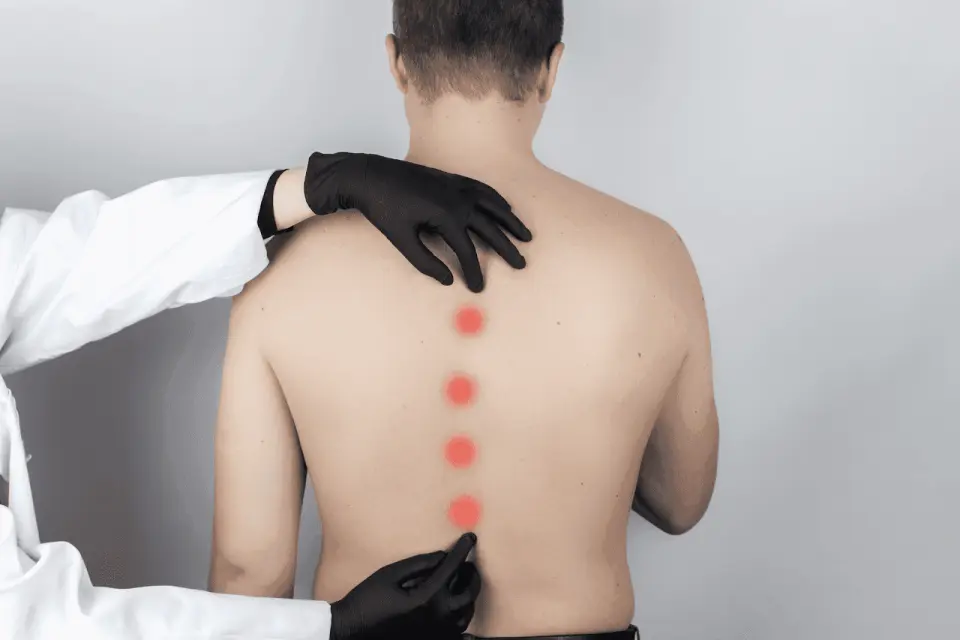
Recognizing the signs of problematic spinal curvature early leads to better treatment outcomes. Symptoms range from visible postural changes to debilitating pain.
The most obvious sign of hyperlordosis is a pronounced arch in the lower back visible when standing sideways in front of a mirror. The stomach may protrude forward while the buttocks stick out behind. Many people notice their pants fit differently, with the waistband tilting downward in front. Back pain that worsens with standing or walking is common.
Severe curvature can compress the nerves exiting the spine, causing numbness, tingling, or weakness in the legs. Some patients experience sciatica, a sharp pain that radiates from the lower back down through the buttock and leg. These symptoms require prompt medical attention. Doctronic.ai offers AI-powered consultations that can help users determine whether their symptoms warrant immediate evaluation.
Most cases of lordosis respond well to conservative treatment approaches. Surgery is reserved for severe cases that fail to improve with other methods.
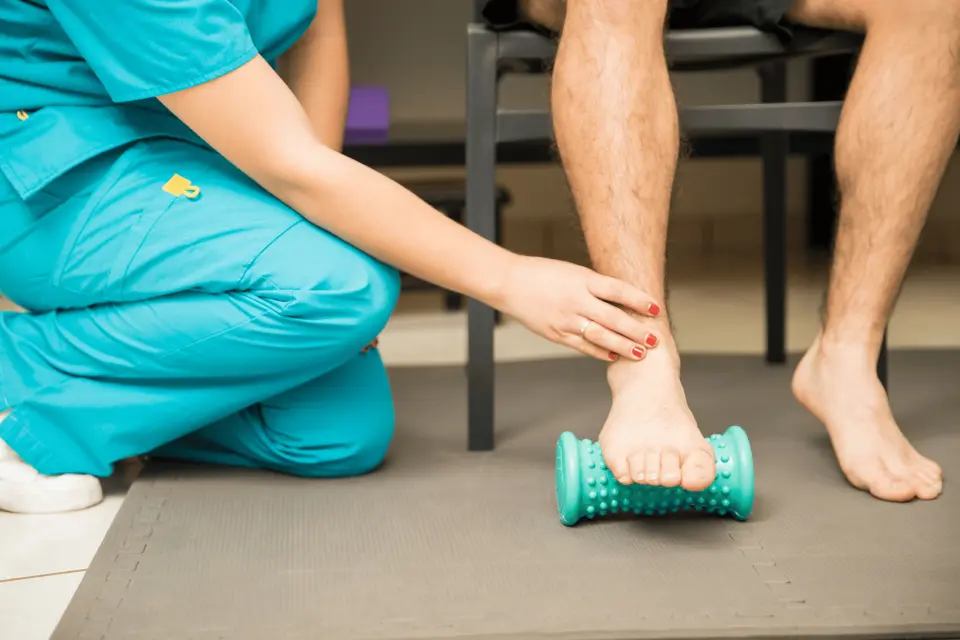
Physical therapy remains the gold standard for treating excessive spinal curvature. A skilled therapist designs exercises that strengthen the abdominal muscles, stretch tight hip flexors, and improve overall posture. Research shows that lumbar extension traction and targeted exercise therapy can improve lordotic curvature by 5–10 degrees over a 10–12 week program, depending on patient adherence and baseline condition.
For children and adolescents whose spines are still developing, bracing can help guide proper spinal alignment. Custom orthotics address foot and ankle issues that contribute to poor posture. Adults may benefit from lumbar support devices during activities that stress the lower back.
Over-the-counter anti-inflammatory medications reduce pain and swelling during acute flare-ups. Heat and ice therapy provide relief between medication doses. Some patients find massage therapy helpful for releasing tight muscles that contribute to abnormal curvature. However, chronic use of nonsteroidal anti-inflammatory drugs (NSAIDs) should be monitored by a healthcare provider due to risks such as gastrointestinal bleeding and kidney impairment.
When conservative treatments fail and the quality of life suffers significantly, surgery becomes an option. Spinal fusion permanently joins two or more vertebrae to stabilize the spine and correct curvature. This procedure carries significant risks and requires months of recovery. Surgeons typically recommend it only when nerve compression threatens permanent damage or when pain becomes unmanageable through other means. Minimally invasive spinal fusion and motion-preserving techniques such as dynamic stabilization have become more common alternatives for selected patients.
Preventing excessive spinal curvature is far easier than correcting it. Simple daily habits make a significant difference in spinal health over time.
Setting up a proper workstation prevents the postural problems that lead to hyperlordosis. The computer monitor should sit at eye level, and the feet should rest flat on the floor. Standing desks allow for position changes throughout the day. Taking breaks every 30 minutes to walk and stretch interrupts the cycle of prolonged sitting.
A consistent stretching routine keeps the muscles supporting the spine balanced and flexible. Hip flexor stretches counteract the effects of sitting. Cat-cow exercises maintain spinal mobility. Planks and bridges strengthen the core without straining the back. Even ten minutes of daily stretching produces measurable improvements in posture and pain levels.
Lordosis refers to the normal inward curves of the spine at the neck and lower back. Hyperlordosis describes an excessive curvature that causes pain and postural problems. Everyone has lordosis, but not everyone develops hyperlordosis.
Yes, most cases of excessive lordosis improve with physical therapy, core strengthening, and postural corrections. Surgery is typically reserved for severe cases involving nerve damage or structural abnormalities.
Treatment duration varies based on severity. Research shows that targeted therapy can improve spinal curvature by 5–10 degrees over 10–12 weeks, with continued improvement possible with regular exercise over several months.
Yes, these terms describe the same condition: an exaggerated inward curve of the lower spine that pushes the pelvis forward and creates a characteristic posture.
Children can develop excessive spinal curvature, often related to obesity, poor posture, or underlying conditions. Early intervention with bracing and physical therapy typically produces excellent outcomes in growing spines.
Lordosis of the spine represents a treatable condition when caught early and managed properly. For personalized guidance on spinal health concerns, Doctronic.ai provides AI-powered telehealth consultations and connects users with licensed clinicians across the United States.
Explore treatment options
Chat Now