Skin Cancer
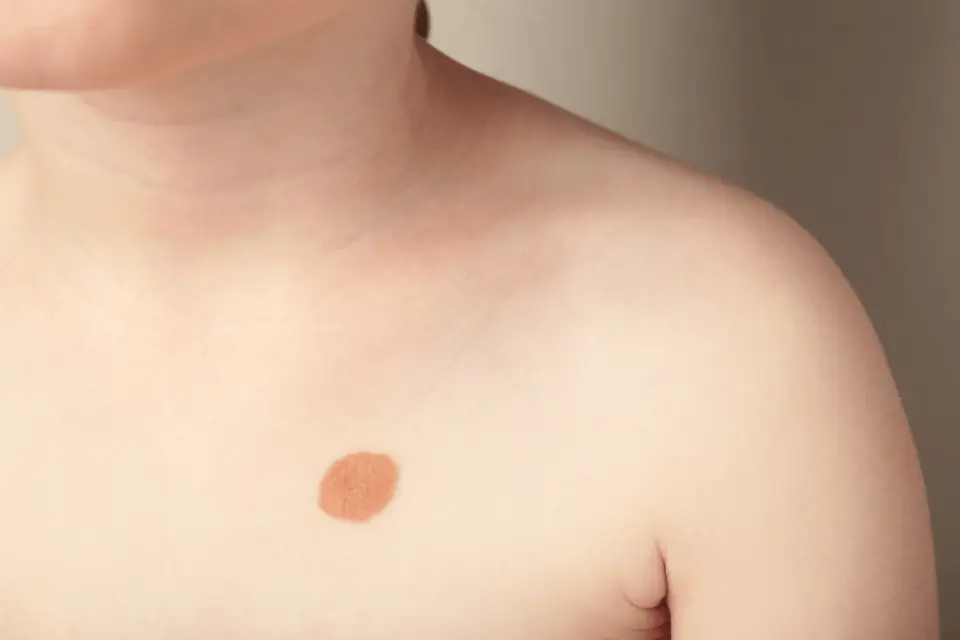
Cancerous Moles vs. Normal Moles: A Visual Guide to Melanoma Warning Signs
April 17, 2026
6 min read

Medically reviewed by Lauren Okafor | MD, The Frank H Netter MD School of Medicine, Loyola University Medical Center on April 15th, 2026.
Published on March 23rd, 2026. Updated on July 23rd, 2026.
Osteoarthritis is mechanical wear-and-tear while rheumatoid arthritis is autoimmune inflammation
Morning stiffness lasting over an hour typically indicates rheumatoid arthritis
Osteoarthritis affects weight-bearing joints asymmetrically; rheumatoid arthritis affects small joints symmetrically
Blood tests can confirm rheumatoid arthritis but cannot diagnose osteoarthritis
Joint pain affects millions of Americans, but not all arthritis is the same. Understanding whether you're dealing with osteoarthritis or rheumatoid arthritis can make the difference between effective treatment and prolonged suffering. These two conditions may share the word "arthritis," but they develop through completely different mechanisms and require distinct approaches to care.
While both cause joint discomfort, the underlying causes, symptoms, and treatments vary dramatically. Recognizing these differences early helps you work with healthcare providers to develop the right treatment plan. If you're experiencing persistent joint pain, Doctronic can help you understand your symptoms and connect you with appropriate care options.
Osteoarthritis represents the most common form of arthritis, affecting over 32 million adults in the United States. This degenerative joint disease occurs when protective cartilage gradually wears down over time. Think of cartilage as the smooth coating that allows bones to glide past each other effortlessly. When this coating deteriorates, bones begin rubbing together, causing pain, stiffness, and reduced mobility.
Rheumatoid arthritis tells a different story entirely. This chronic autoimmune condition develops when your immune system mistakenly attacks the synovium, the thin membrane lining your joints. Instead of protecting your body from foreign invaders, your immune system treats healthy joint tissue as a threat. This misguided response creates persistent inflammation that can damage cartilage, bone, and surrounding tissues.
Age plays a key role in distinguishing these conditions. Osteoarthritis typically emerges after age 50, coinciding with decades of joint wear. Many people experiencing achy joints? here’s what to arthritis symptoms later in life discover they have osteoarthritis. Conversely, rheumatoid arthritis peaks between ages 30-50, though it can develop at any age.
The timing and pattern of symptoms provide crucial clues for identifying your arthritis type. Osteoarthritis pain follows a predictable pattern: it worsens with activity and improves with rest. You might notice increased discomfort after walking, climbing stairs, or engaging in physical activities. Evening symptoms often intensify after a day of movement, while mornings may feel relatively comfortable.
Rheumatoid arthritis presents the opposite pattern. Morning stiffness lasting more than an hour serves as a hallmark symptom. Your joints may feel locked or extremely stiff upon waking, gradually loosening as you move throughout the day. This extended morning stiffness, along with fatigue and general malaise, suggests the inflammatory process characteristic of rheumatoid arthritis. Some patients find that their symptoms might be rheumatoid arthritis when morning stiffness persists.
Joint involvement patterns also differ markedly. Osteoarthritis typically affects weight-bearing joints asymmetrically, meaning one knee or hip may hurt more than the other. The spine, knees, hips, and thumb joints bear the brunt of wear-and-tear damage.
Rheumatoid arthritis creates symmetrical inflammation, affecting the same joints on both sides of your body simultaneously. Small joints in your hands, wrists, and feet often show the first signs of involvement, with swelling and tenderness affecting multiple joints at once.
Understanding disease progression helps explain why treatments differ so dramatically between osteoarthritis and rheumatoid arthritis. Osteoarthritis develops gradually over years or decades. Cartilage breakdown accelerates with age, previous injuries, or repetitive joint stress. Weight-bearing activities, sports injuries, and occupational demands contribute to cartilage deterioration.
As osteoarthritis progresses, X-rays reveal characteristic changes: joint space narrowing as cartilage disappears, bone spur formation around joint edges, and increased bone density beneath damaged cartilage. Unlike other arthritis types such as reactive arthritis or septic arthritis, osteoarthritis rarely involves infection or acute inflammation.
Rheumatoid arthritis can develop rapidly, sometimes over weeks rather than years. The autoimmune process targets synovial tissue, causing it to thicken and produce inflammatory substances. These chemicals gradually destroy cartilage and bone, leading to joint deformity and loss of function if left untreated.
The systemic nature of rheumatoid arthritis means inflammation can affect organs beyond joints, including the heart, lungs, and blood vessels. This distinguishes it from purely joint-focused conditions and explains why comprehensive treatment approaches prove necessary.
Accurate diagnosis requires different approaches for each arthritis type. Rheumatoid arthritis diagnosis relies heavily on blood tests measuring specific antibodies and inflammatory markers. Rheumatoid factor (RF) and anti-cyclic citrullinated peptide (anti-CCP) antibodies appear in most rheumatoid arthritis patients. Elevated erythrocyte sedimentation rate (ESR) and C-reactive protein (CRP) levels indicate active inflammation.
Osteoarthritis diagnosis depends primarily on clinical examination, symptom history, and imaging studies. No specific blood test can diagnose osteoarthritis, though doctors may order blood work to rule out other conditions. X-rays showing joint space narrowing, bone spurs, and increased bone density support an osteoarthritis diagnosis.
Joint fluid analysis provides additional diagnostic information. In osteoarthritis, synovial fluid appears clear or slightly yellow with normal consistency. Rheumatoid arthritis produces cloudy, inflammatory joint fluid containing elevated white blood cell counts and inflammatory proteins.
Feature |
Osteoarthritis |
Rheumatoid Arthritis |
|---|---|---|
Blood Tests |
Normal inflammatory markers |
Elevated RF, anti-CCP, ESR, CRP |
X-ray Changes |
Joint space narrowing, bone spurs |
Joint erosions, bone destruction |
Joint Fluid |
Clear, normal consistency |
Cloudy, inflammatory cells present |
Treatment strategies reflect the fundamental differences between these arthritis types. Osteoarthritis management focuses on symptom relief and joint protection. Over-the-counter pain relievers like acetaminophen and NSAIDs provide initial relief. Physical therapy helps maintain joint flexibility and muscle strength. Weight management reduces stress on weight-bearing joints.
Advanced osteoarthritis treatments include corticosteroid injections for temporary relief and viscosupplementation using hyaluronic acid. Joint replacement surgery offers definitive treatment for severely damaged joints. Many patients explore natural options like glucosamine, chondroitin, and msm supplements or topical treatments for conditions including fibromyalgia, and more.
Rheumatoid arthritis treatment requires disease-modifying antirheumatic drugs (DMARDs) to suppress immune system activity. Methotrexate serves as the cornerstone treatment, often combined with other DMARDs or biologic medications targeting specific inflammatory pathways. Early aggressive treatment prevents joint damage and preserves function.
Both conditions benefit from regular exercise, though timing differs. Osteoarthritis patients should exercise consistently to maintain joint mobility. Rheumatoid arthritis patients need to balance activity with rest during flare-ups. Specialized arthritis exercises can help maintain joint function while managing symptoms. Those experiencing foot pain from arthritis may need specialized footwear and exercise modifications.
Yes, having both conditions simultaneously is possible, especially in older adults. This combination requires careful management addressing both mechanical joint damage and autoimmune inflammation. Your doctor will tailor treatment plans to address both conditions effectively while monitoring for drug interactions and overlapping symptoms.
Online symptom checkers provide general guidance but cannot replace professional medical evaluation. While they may suggest whether symptoms align more with osteoarthritis or rheumatoid arthritis patterns, definitive diagnosis requires physical examination, medical history review, and appropriate laboratory or imaging tests performed by healthcare professionals.
Insurance coverage varies by plan and treatment type. Most plans cover basic treatments like NSAIDs and physical therapy for both conditions. Expensive biologic medications for rheumatoid arthritis often require prior authorization. Joint replacement surgery for severe osteoarthritis typically receives coverage with appropriate medical necessity documentation.
Rheumatoid factor (RF), anti-CCP antibodies, ESR, and CRP levels help diagnose rheumatoid arthritis. No blood test specifically diagnoses osteoarthritis. However, normal inflammatory markers combined with typical symptoms and X-ray changes support osteoarthritis diagnosis while ruling out inflammatory arthritis types.
Anti-inflammatory diets may benefit both conditions, though mechanisms differ. For rheumatoid arthritis, reducing inflammatory foods may help control autoimmune activity. For osteoarthritis, weight management through healthy eating reduces joint stress. Omega-3 fatty acids, antioxidant-rich foods, and Mediterranean diet patterns show promise for both conditions.
While both osteoarthritis and rheumatoid arthritis cause joint pain and stiffness, they represent fundamentally different diseases requiring distinct diagnostic approaches and treatments. Osteoarthritis develops through mechanical wear-and-tear over time, typically affecting older adults in weight-bearing joints asymmetrically. Rheumatoid arthritis stems from autoimmune inflammation that can strike at any age, creating symmetrical joint involvement with prolonged morning stiffness. Recognizing key differences like symptom timing, joint patterns, and progression helps ensure you receive appropriate care for your specific condition. These two common forms require tailored treatment strategies based on their unique underlying mechanisms.
Ready to take control of your health? Get started with Doctronic today.
Compare your treatment options
Chat Now
Join 50,000+ readers using Doctronic to understand symptoms, medications,
and next steps.
Add your phone number below to get health updates and exclusive VIP offers.
By providing your phone number, you agree to receive SMS updates from Company. Message and data rates may apply. Reply “STOP” to opt-out anytime. Read our Privacy Policy and Terms of Service for more details.
Save your consults. Talk with licensed doctors and manage your health history.