Bone & Joint Health
What Is a Dangerously High Calcium Level and What Does It Mean?
July 21, 2026
6 min read

Medically reviewed by Lauren Okafor | MD, The Frank H Netter MD School of Medicine, Loyola University Medical Center on August 31st, 2026.
Published on April 13th, 2024.
Osteoarthritis affects 1 in 4 adults and commonly targets the big toe joint (hallux rigidus), causing bone spurs and limiting upward toe movement to less than 30 degrees.
Rheumatoid arthritis strikes the midfoot and forefoot symmetrically, creating characteristic "sausage toes" and hammer toe deformities that develop within 2-5 years of diagnosis.
Gout attacks peak within 12-24 hours and most commonly hit the big toe joint (podagra), with uric acid levels above 6.8 mg/dL forming needle-sharp crystals in joint spaces.
Proper therapeutic shoes should have a toe box at least 1/2 inch wider than your foot, rigid rocker soles to reduce joint bending by 30%, and removable insoles for custom orthotics.
Morning stiffness lasting over 30 minutes, along with pain that worsens after rest, distinguishes inflammatory arthritis from mechanical wear-and-tear conditions.
Questions about foot arthritis?
Free. Anonymous. Built by doctors.
Talk to our AI doctor for a clear, personalized read on your situation.
Arthritis is a common cause of foot pain, making walking difficult and painful for many people. The feet are frequently affected by several forms of arthritis, including osteoarthritis, rheumatoid arthritis, and gout. Understanding the symptoms and finding the right shoes can provide much-needed relief and improve mobility.
Osteoarthritis often causes the cartilage at the base of the big toe to break down, leading to bony spurs and bunions. Symptoms include:
Pain and swelling at the base of the big toe
Difficulty wearing narrow or high-heeled shoes
Burning sensation on the top of the foot due to nerve pressure
To relieve discomfort, choose wider shoes and avoid high heels or pointed toes that put pressure on the bunion. Shoes that don't bind tightly at the point of the spur can also help.
Get foot pain treatment online today
A licensed doctor can review your symptoms and send a prescription to your pharmacy, often the same day.
Related medications we prescribe
Learn moreRheumatoid arthritis causes joint inflammation, which can loosen ligaments and lead to foot deformities such as:
Tender calluses and ulcerations at the ball of the foot
Toes that cock upward, causing abrasion on the tops of the toes
Nodules (lumps of soft tissue) on the sides of the foot, heel, or toes
Shoe solutions for rheumatoid arthritis include adding a leather bar behind the arch to displace pressure, wearing rocker bottom soles with proper arch support, and choosing box-toed shoes. Slits cut into the shoe at the point of nodules can relieve pressure, and non-tie style laces make it easier to fasten shoes.
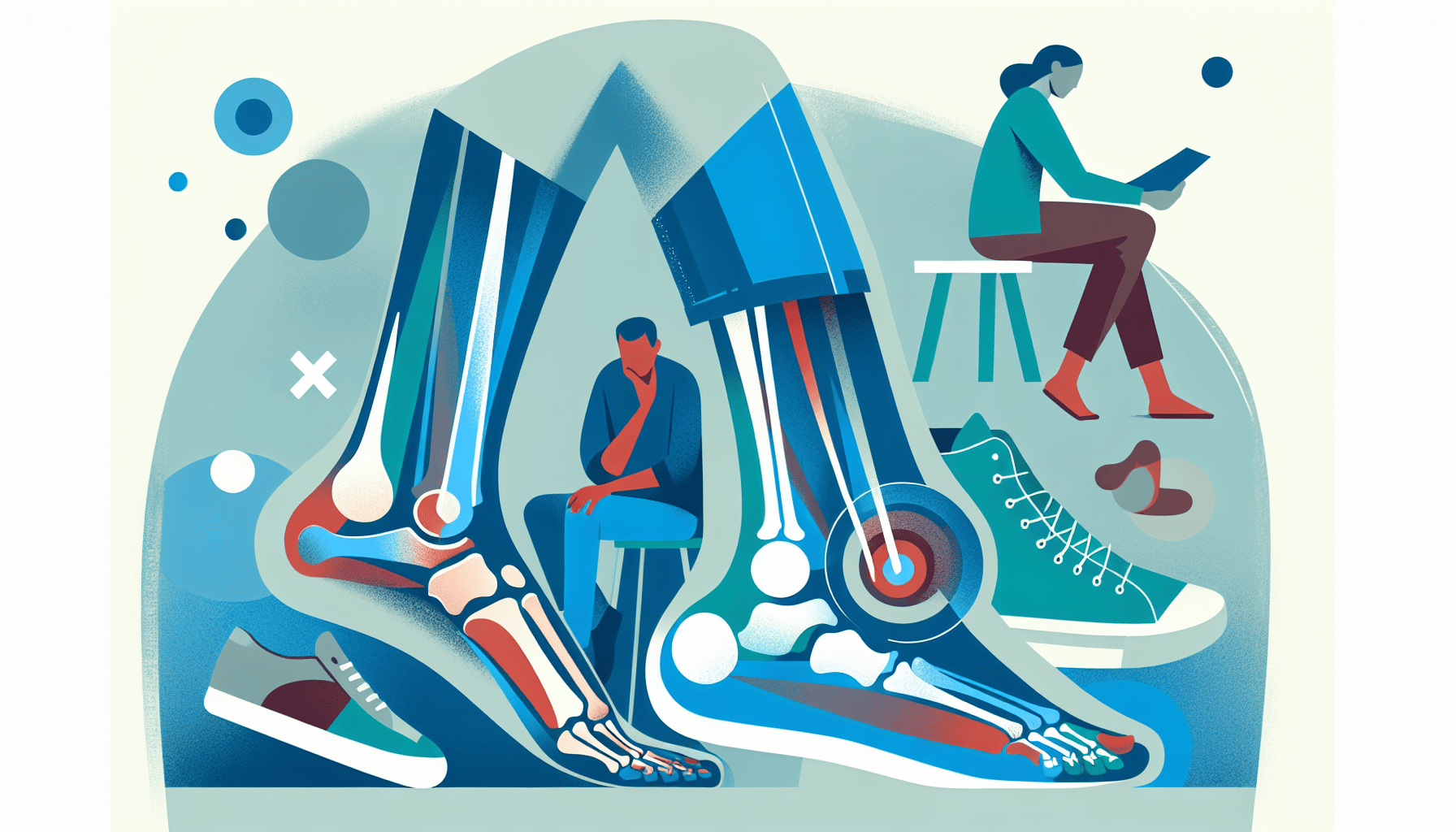
Gout causes hard deposits of uric acid crystals to form a lump at the inner side of the big toe base. This can lead to abrasion and ulceration from shoes. Wider style shoes can help accommodate the lump and reduce discomfort.
When shopping for shoes, always try on several pairs and walk around before purchasing. Look for shoes that provide both function and comfort. Running shoes are often a good choice due to their lightweight design. A knowledgeable salesperson can help you find the best fit for your needs.
Remember, investing time and effort into finding great-fitting shoes is worth it. Be kind to your feet, and they'll help you stay mobile and active. If foot pain persists, consult a doctor or podiatrist for personalized advice and treatment options.
For more information on arthritis and foot health, visit:
American Podiatric Medical Association - Arthritis and Your Feet
Hospital for Special Surgery - Shoes for Arthritis and Related Foot Problems
The right footwear modifications can reduce arthritic foot pain by 40-60% and significantly improve walking ability without medication. Focus on wider, supportive shoes with rigid soles rather than flexible ones that force painful joint movement. If you're experiencing persistent foot pain, stiffness, or joint swelling, Doctronic can help you determine the specific type and best treatment approach.
Check symptoms of foot pain from arthritis
Chat Now