Skin Cancer
Cancerous Moles vs. Normal Moles: A Visual Guide to Melanoma Warning Signs
April 17, 2026
6 min read

Medically reviewed by Lauren Okafor | MD, The Frank H Netter MD School of Medicine, Loyola University Medical Center on April 23rd, 2026.
Published on March 24th, 2026. Updated on July 23rd, 2026.
Pins and needles in feet can range from temporary pressure-related sensations to signs of serious neurological conditions
Diabetes is the leading cause of chronic foot tingling, affecting over 50% of diabetics within 10 years of diagnosis
Persistent tingling lasting more than a few days, especially with weakness or pain, warrants immediate medical evaluation
Simple lifestyle changes like proper footwear and regular movement can prevent many cases of temporary foot paresthesia
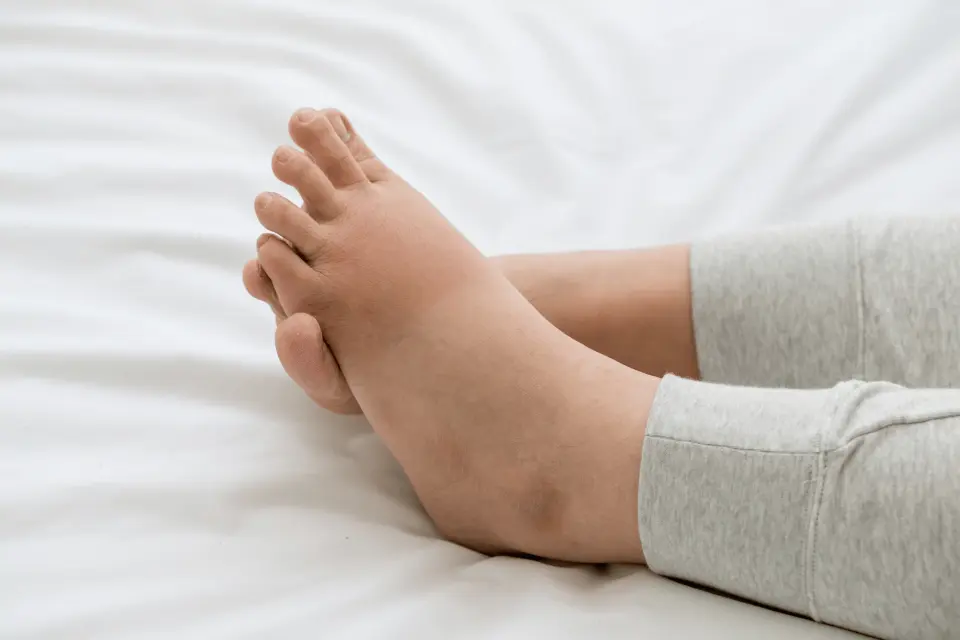
That uncomfortable tingling sensation in your feet, known medically as paresthesia, affects millions of people daily. This peculiar "pins and needles" feeling can range from harmless temporary numbness after sitting cross-legged to warning signs of serious underlying conditions. While most episodes resolve quickly, understanding when foot tingling requires attention can help protect your long-term health.
The sensation varies from person to person. Some describe it as electric shocks shooting through their toes, while others feel like they're walking on cotton or that their feet have "fallen asleep." Whether you experience occasional episodes or persistent symptoms, Doctronic's AI-powered consultations can help determine if your foot tingling needs immediate attention or simple lifestyle adjustments.
Paresthesia occurs when nerve signals are disrupted, creating abnormal sensations like tingling, burning, or electric shock feelings in your feet. Your feet contain dense networks of sensory nerves that constantly send information to your brain about pressure, temperature, and position. When these nerve pathways face interference, you experience the characteristic pins and needles sensation.
Temporary paresthesia happens when pressure compresses nerves, cutting off normal nerve transmission temporarily. Think of it like temporarily kinking a garden hose. The water stops flowing normally, but once you remove the pressure, everything returns to normal. This explains why your foot might feel numb after sitting in one position too long, followed by intense tingling as sensation returns.
Chronic pins and needles indicate potential nerve damage or systemic conditions affecting nerve function. Unlike temporary episodes, chronic paresthesia suggests underlying problems with nerve health, blood sugar regulation, or vitamin absorption. People with conditions like flat feet may experience more frequent episodes due to altered foot mechanics affecting nerve pathways.
The feet are particularly susceptible to paresthesia symptoms because they're located at the end of the longest nerve pathways in your body. These extended nerve routes are more vulnerable to damage and take longer to heal when problems develop.
Prolonged sitting or crossing legs creates pressure on the peroneal nerve, causing temporary foot numbness. This common nerve runs around the outside of your knee and can be easily compressed when you sit with your legs crossed or maintain the same position for extended periods. Office workers and frequent travelers often experience this type of temporary paresthesia.
Wearing tight shoes or high heels compresses nerves and reduces circulation, triggering pins and needles sensations. Footwear that crowds your toes or creates pressure points can interfere with normal nerve function. This mechanical compression is particularly common in people who wear dress shoes for long periods or athletes who use ill-fitting equipment.
Sleep positions that restrict blood flow to feet commonly cause morning tingling sensations. Sleeping on your stomach with feet pressed against the mattress or lying on your side with one foot tucked under the other can create enough pressure to cause temporary paresthesia. Many people notice feet itch at night or experience tingling upon waking.
Physical activity like long-distance running can cause temporary nerve compression from repetitive impact. Athletes may experience pins and needles during or after intense training sessions, especially when wearing worn-out shoes or running on hard surfaces that don't provide adequate shock absorption.
Mechanical compression blocks nerve signal transmission, initially causing numbness followed by tingling as circulation returns. When pressure is applied to a nerve, it first stops sending signals altogether, creating numbness. As the pressure releases, nerves begin firing irregularly as they recover, producing the characteristic pins and needles sensation.
Metabolic conditions like diabetes damage nerve myelin sheaths, creating chronic abnormal sensations. High blood sugar levels over time cause chemical changes that destroy the protective coating around nerves. This damage typically starts in the feet because the longest nerves are most vulnerable. Proper diabetic foot care becomes essential for preventing permanent nerve damage.
Inflammatory conditions cause nerve swelling, leading to compression within tight anatomical spaces. Conditions like tarsal tunnel syndrome occur when nerves become inflamed and swollen within confined spaces in your feet. This creates pressure that interferes with normal nerve function, similar to carpal tunnel syndrome in the wrists.
Vitamin deficiencies impair nerve function and myelin production, resulting in peripheral neuropathy symptoms. B vitamins, particularly B12, B6, and B1, are essential for healthy nerve function. When these nutrients are insufficient, nerves can't maintain their protective coatings or transmit signals properly, leading to tingling and numbness that typically starts in the feet.
Understanding the difference between temporary and chronic foot tingling can help you determine when to seek medical attention. Temporary paresthesia resolves within minutes to hours after removing pressure or changing position, with no residual symptoms. These episodes are generally harmless and respond well to simple position changes or movement.
Chronic neuropathy persists for weeks or months, often worsening over time and accompanied by pain or weakness. People with chronic conditions may experience constant tingling, burning feet, or sharp shooting pains. Unlike temporary episodes, chronic symptoms don't improve with position changes or rest.
Temporary sensations typically affect one foot or specific areas, while neuropathy usually presents bilaterally in a stocking distribution. Chronic nerve damage tends to follow predictable patterns, starting at the toes and gradually moving up both feet symmetrically. This "stocking" pattern is characteristic of systemic conditions affecting nerve health.
The timing and triggers also differ significantly. Temporary paresthesia has clear causes like prolonged sitting or tight shoes, while chronic symptoms may have no obvious triggers and can worsen at night. If you experience persistent symptoms, especially if these could be keeping you awake, medical evaluation is warranted.
Condition |
Symptoms |
Duration |
Risk Factors |
|---|---|---|---|
Diabetic Neuropathy |
Burning, tingling, numbness |
Chronic, progressive |
High blood sugar, diabetes duration |
Vitamin B12 Deficiency |
Pins and needles, weakness |
Gradual onset |
Poor diet, malabsorption, age over 60 |
Tarsal Tunnel Syndrome |
Burning sole, toe tingling |
Intermittent to constant |
Flat feet, ankle injuries, repetitive stress |
Herniated Disc |
Shooting pain, numbness |
Variable |
Back injury, aging, heavy lifting |
Peripheral Artery Disease |
Tingling, coolness, color changes |
Activity-related |
Smoking, diabetes, high blood pressure |
Yes, foot tingling is often one of the earliest signs of diabetic neuropathy. High blood sugar damages nerves over time, typically starting in the feet due to their distance from the spine. If you have risk factors for diabetes or unexplained persistent foot tingling, blood sugar testing is recommended.
Seek medical attention if tingling persists for more than a few days, especially if accompanied by pain, weakness, or changes in foot color. Temporary episodes that resolve quickly with position changes are usually harmless, but persistent symptoms may indicate underlying nerve damage requiring treatment.
For temporary episodes, gentle massage, elevation, and movement can help restore circulation. Wearing properly fitted shoes, taking regular walking breaks, and maintaining good posture can prevent many cases. However, chronic symptoms require medical evaluation to address underlying causes effectively.
Yes, deficiencies in B vitamins (especially B12, B6, and B1) commonly cause peripheral neuropathy starting in the feet. This is particularly common in older adults, vegetarians, and people with absorption disorders. Blood tests can identify deficiencies, and supplementation often improves symptoms.
Temporary episodes from pressure or positioning typically resolve completely within hours. However, chronic tingling from conditions like diabetes or vitamin deficiency requires treatment of the underlying cause. Early intervention can prevent permanent nerve damage and improve long-term outcomes.
Pins and needles in feet range from harmless temporary sensations to serious warning signs requiring immediate medical attention. While occasional tingling from poor positioning or tight shoes is normal, persistent symptoms lasting more than a few days may indicate underlying conditions like diabetic neuropathy, vitamin deficiencies, or nerve compression syndromes. The key is recognizing when symptoms move beyond temporary inconvenience to potential signs of nerve damage. Early identification and treatment of underlying causes can prevent permanent complications and improve quality of life. Don't ignore persistent foot tingling, especially if you have diabetes, nutritional concerns, or other risk factors. Doctronic's AI-powered consultations provide 24/7 access to medical expertise, helping you determine whether your foot symptoms need immediate attention or can be managed with lifestyle modifications.
Ready to take control of your health? Get started with Doctronic today.
Get advice about pins and needles in feet
Chat Now
Join 50,000+ readers using Doctronic to understand symptoms, medications,
and next steps.
Add your phone number below to get health updates and exclusive VIP offers.
By providing your phone number, you agree to receive SMS updates from Company. Message and data rates may apply. Reply “STOP” to opt-out anytime. Read our Privacy Policy and Terms of Service for more details.
Save your consults. Talk with licensed doctors and manage your health history.