

Why Do My Feet Itch at Night?
Itchy feet at night can be more than just a minor annoyance. For many people, this sensation disrupts sleep and raises concerns about underlying health issues. Understanding [...]
Read More
Medically reviewed by Alan Lucks | MD, Alan Lucks MDPC Private Practice - New York on October 12th, 2025.
Itching intensifies after dark because core body temperature rises 1-2 degrees Fahrenheit during sleep, dilating blood vessels and increasing histamine release in the skin.
Athlete's foot affects the spaces between toes in 70% of cases, causing intense nighttime itching along with white, scaly patches and a distinctive musty odor.
Peripheral neuropathy from diabetes damages small nerve fibers in feet, creating burning, tingling sensations that worsen when lying down due to reduced blood flow.
Antifungal creams containing terbinafine or clotrimazole should be applied twice daily for 2-4 weeks beyond symptom resolution to prevent recurrence.
Red streaks extending up the leg, fever above 100.4°F, or pus-filled blisters indicate bacterial superinfection requiring immediate antibiotic treatment.
Itchy feet at night can be more than just a minor annoyance. For many people, this sensation disrupts sleep and raises concerns about underlying health issues. Understanding why your feet itch at night is crucial to finding relief and addressing any potential medical conditions early. This article explores the common causes, symptoms, and effective treatments for nighttime foot itching, along with guidance on when to seek professional help.
Itching in the feet during the night can stem from a variety of causes, ranging from simple dryness to more complex medical conditions. Here are some of the most frequent reasons why feet itch when the lights go out.
 Dry Skin and Environmental Factors
One of the simplest explanations for itchy feet at night is dry skin. During colder months or in low-humidity environments, the skin can lose moisture, leading to dryness and itching. Wearing socks made from synthetic materials or exposure to harsh soaps can also exacerbate this condition. At night, when the body temperature rises slightly, the sensation of itching can become more pronounced. Additionally, certain lifestyle factors, such as not drinking enough water throughout the day or taking long, hot showers, can further dehydrate the skin. Incorporating a good moisturizer into your nightly routine can help combat dryness and soothe irritated skin, providing relief from the relentless itch.
Fungal infections such as athlete’s foot are a very common cause of itching feet, especially at night. These infections thrive in warm, moist environments like inside shoes and socks. The fungi cause redness, scaling, and intense itching, which often worsens when the feet are at rest. Athlete’s foot can spread easily and may require antifungal treatments to resolve. It’s also worth noting that other fungal infections, such as nail fungus, can contribute to discomfort and itching. Maintaining good foot hygiene, such as keeping feet clean and dry, changing socks regularly, and wearing breathable footwear, can help prevent these infections from taking hold.
Contact with allergens or irritants can trigger allergic reactions, leading to itchy feet. This might include reactions to laundry detergents, shoe materials, or topical creams. Contact dermatitis causes redness, swelling, and itching, which can become more noticeable at night when distractions are fewer. In addition to common allergens, certain fabrics, like wool or latex, may provoke a reaction in sensitive individuals. Keeping a diary to track potential allergens and their effects can be a helpful strategy for pinpointing triggers. Moreover, using hypoallergenic products and opting for natural fibers in clothing can significantly reduce the risk of irritation.
In some cases, itching is related to nerve issues rather than skin problems. Peripheral neuropathy, often associated with diabetes or nerve damage, can cause sensations of itching, burning, or tingling in the feet. These symptoms may intensify at night and interfere with sleep. Conditions like multiple sclerosis or shingles can also lead to similar sensations. For those experiencing nerve-related itching, consulting a healthcare professional is crucial. Treatments may include medications to manage nerve pain or topical therapies that can help alleviate uncomfortable sensations.
Chronic conditions such as eczema, psoriasis, or systemic diseases like liver or kidney disorders can also cause itching. Sometimes, the feet are among the first areas affected. If itching is accompanied by other symptoms such as swelling, discoloration, or pain, it is important to seek medical evaluation. Conditions like hypothyroidism may also contribute to skin issues, including dryness and itching. Understanding the underlying causes of foot itching is essential for effective treatment, and a healthcare provider can offer tailored advice based on individual health history and symptoms. Regular check-ups can help monitor any chronic conditions that may be contributing to foot discomfort.
Many people notice that their feet itch more intensely after going to bed. Several factors contribute to this phenomenon.
At night, the body’s core temperature rises slightly, and blood flow to the skin increases. This can heighten nerve sensitivity and amplify the sensation of itching. The warmth of bed covers and socks can also create an environment that encourages itching, especially if fungal infections or dry skin are present.
During the day, activities and distractions often mask mild itching sensations. At night, when the environment is quiet and the mind is less occupied, the brain becomes more aware of bodily sensations, making itching feel more intense and persistent.
Certain hormones that regulate inflammation and immune responses fluctuate throughout the day. At night, changes in these hormone levels can increase skin sensitivity and promote itching, particularly in people with inflammatory skin conditions.
Addressing itchy feet effectively depends on identifying the underlying cause. Here are some general strategies and treatments that can help soothe itching and improve comfort at night.
Regularly washing feet with mild soap and thoroughly drying them can prevent fungal infections and reduce irritation. Avoid using harsh soaps or hot water, which can strip natural oils and worsen dryness. Applying a moisturizer before bed helps lock in moisture and soothe dry skin.
Wearing breathable, natural-fiber socks and shoes can reduce sweating and fungal growth. At night, using lightweight, breathable bedding and avoiding tight socks can help keep feet cool and less prone to itching.
For fungal infections, antifungal creams or powders are effective and widely available. Hydrocortisone creams can relieve itching caused by allergic reactions or eczema, but should be used sparingly and under guidance. Antihistamines may also help reduce nighttime itching by calming allergic responses.
Staying hydrated and maintaining a balanced diet rich in vitamins and minerals supports skin health. Avoiding known allergens and irritants, such as certain soaps or detergents, can prevent contact dermatitis. Managing chronic conditions like diabetes is also essential to reducing neuropathic itching.
If itching persists despite home care, worsens, or is accompanied by other symptoms such as swelling, pain, or skin lesions, it is important to consult a healthcare professional. Persistent itching can indicate underlying medical issues that require targeted treatment.
Accessing timely medical advice for itchy feet has never been easier, thanks to telehealth services. Doctronic.ai offer convenient, affordable telehealth visits with licensed doctors available 24/7 across all 50 states. This service is especially valuable for those experiencing nighttime itching who want prompt answers without leaving home.
Doctronic’s AI-powered platform provides rapid, comprehensive assessments by synthesizing the latest peer-reviewed medical research. Patients can receive personalized recommendations, second opinions, and treatment plans in seconds. With over 10 million users and growing, Doctronic is revolutionizing direct-to-patient care by combining the speed and accuracy of AI with human medical expertise.
Whether the cause of your itchy feet is a fungal infection, allergic reaction, or a more complex condition like neuropathy, Doctronic’s telehealth doctors can help identify the issue and guide you to the best treatment options. This approach saves time, reduces costs, and ensures you get quality care when you need it most.
Prevention is often the best approach to managing itchy feet. Incorporating simple habits into your daily routine can significantly reduce the risk of nighttime itching.
After bathing or showering, make sure to dry your feet thoroughly, especially between the toes. Moist environments promote fungal growth, so keeping feet dry is essential.
Choose socks made from natural fibers like cotton or wool and shoes that allow air circulation. Change socks daily and avoid wearing the same pair of shoes two days in a row to let them dry out completely.
Apply a gentle, fragrance-free moisturizer to your feet daily to prevent dryness. Avoid applying moisturizer between the toes to reduce the risk of fungal infections.
Be mindful of the soaps, detergents, and lotions you use on your feet. If you notice itching after using a particular product, discontinue use and consult a healthcare provider if necessary.
Conditions like diabetes, eczema, or psoriasis require ongoing management to prevent complications such as itching. Regular check-ups and adherence to treatment plans are essential.
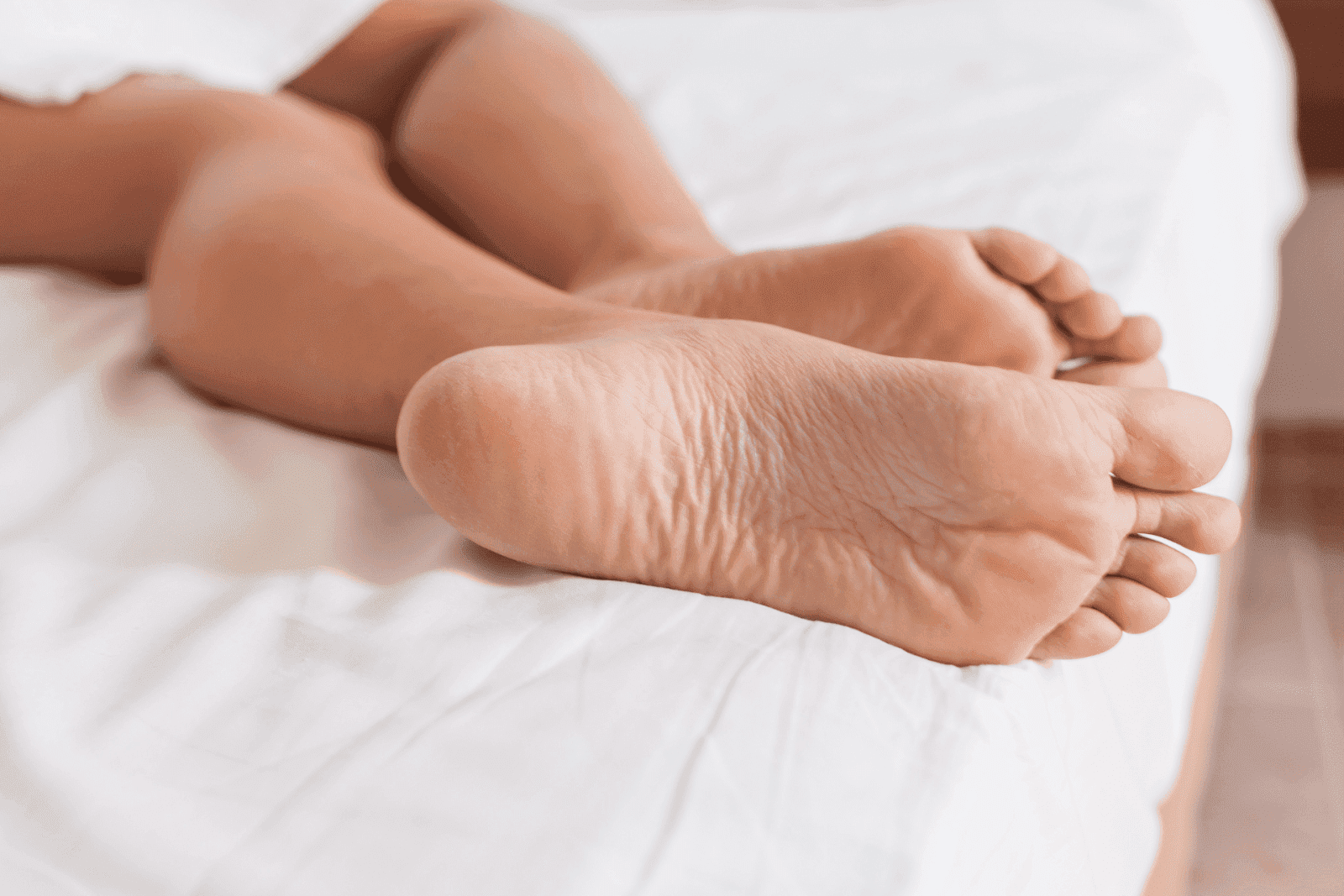 Better Sleep Starts With Itch-Free Nights
Itchy feet at night can be caused by a variety of factors, including dry skin, fungal infections, allergies, nerve issues, and systemic diseases. Understanding these causes helps in choosing the right treatment and prevention strategies. While many cases can be managed with good hygiene and over-the-counter remedies, persistent or severe itching warrants professional evaluation.
Telehealth services like Doctronic.ai provide an accessible, fast, and reliable way to get expert medical advice from the comfort of home. With AI-powered diagnostics and 24/7 access to licensed doctors, Doctronic is transforming how patients receive care for common concerns like nighttime foot itching. If you are struggling with this issue, consider reaching out to a telehealth provider to get personalized support and regain comfortable, itch-free nights.
If itchy feet are keeping you up at night, don't wait for relief. Doctronic is here to provide you with fast, personalized medical advice at the touch of a button. Our AI-powered doctor is designed to offer the most modern, peer-reviewed medical insights and remember every detail about your health history for truly personalized care. Say goodbye to sleepless nights and hello to quick, smart, and attentive healthcare. Skip the line. Talk to an AI Doctor Now, for free.
Most nighttime foot itching stems from fungal infections or dry skin that worsens due to increased body temperature and blood flow during rest. Consistent antifungal treatment for 4-6 weeks typically resolves fungal causes, while daily moisturizing prevents dry skin flare-ups. If you're experiencing persistent symptoms or signs of infection, Doctronic can provide personalized treatment guidance.
Itchy feet at night can be more than just a minor annoyance. For many people, this sensation disrupts sleep and raises concerns about underlying health issues. Understanding [...]
Read More