Diseases and Conditions
Omeprazole Side Effects Timeline: Week by Week Guide
May 17, 2026
5 min read

Medically reviewed by Alan Lucks | MD, Alan Lucks MDPC Private Practice - New York on February 16th, 2026.
Published on January 27th, 2026. Updated on September 11th, 2026.
Herpes rashes on Black skin often appear reddish-brown or dark-toned rather than the typical bright red.
Post-inflammatory hyperpigmentation, meaning dark spots after healing, is common in people with more melanin.
Genital herpes sores on darker skin can be subtle and are sometimes mistaken for other skin conditions.
Antiviral medications like acyclovir can reduce outbreak duration and lower the risk of transmission to partners.
First-time or severe outbreaks warrant a provider visit for a swab test to confirm the diagnosis.
Questions about herpes rash on Black skin?
Free. Anonymous. Built by doctors.
This article covers general information. Ask Doctronic about your symptoms, medications, side effects, or treatment options.
Herpes is a viral infection that can manifest uniquely across different skin types, particularly on potentially life-threatening skin rashes. While many medical resources focus on lighter skin presentations, understanding how herpes appears on black skin is essential for accurate diagnosis and treatment.
The herpes simplex virus (HSV) can cause distinct skin manifestations that might look different depending on melanin levels. Black skin often presents unique challenges in identifying viral skin conditions, making professional medical consultation critical for proper diagnosis.
Herpes rashes on black skin can appear subtly different compared to lighter skin tones. The characteristic fluid-filled blisters might be less pronounced but still follow similar patterns of clustering and progression. Herpes vs pimple key visual differences can help individuals distinguish between common skin conditions.
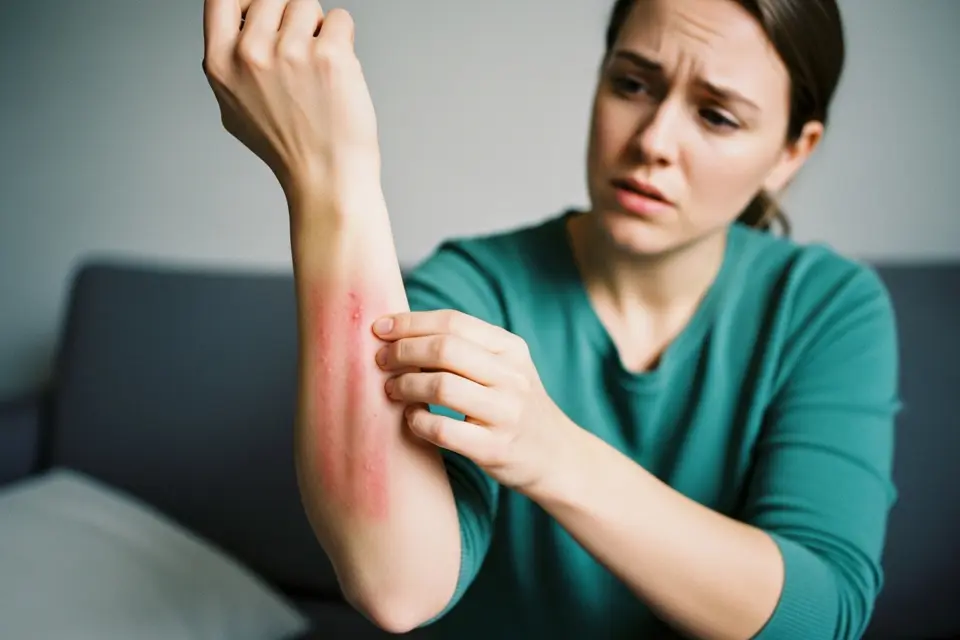
Typical herpes symptoms start with tingling or burning, followed by small clusters of fluid-filled blisters. On Black skin, those blisters often appear reddish-brown or dark-toned rather than the bright red seen on lighter complexions, which can make early detection trickier. The inflammation may be less visible to the eye, but the discomfort is just as real. After blisters heal, darker skin is also more prone to post-inflammatory hyperpigmentation (dark spots that linger after the outbreak clears).
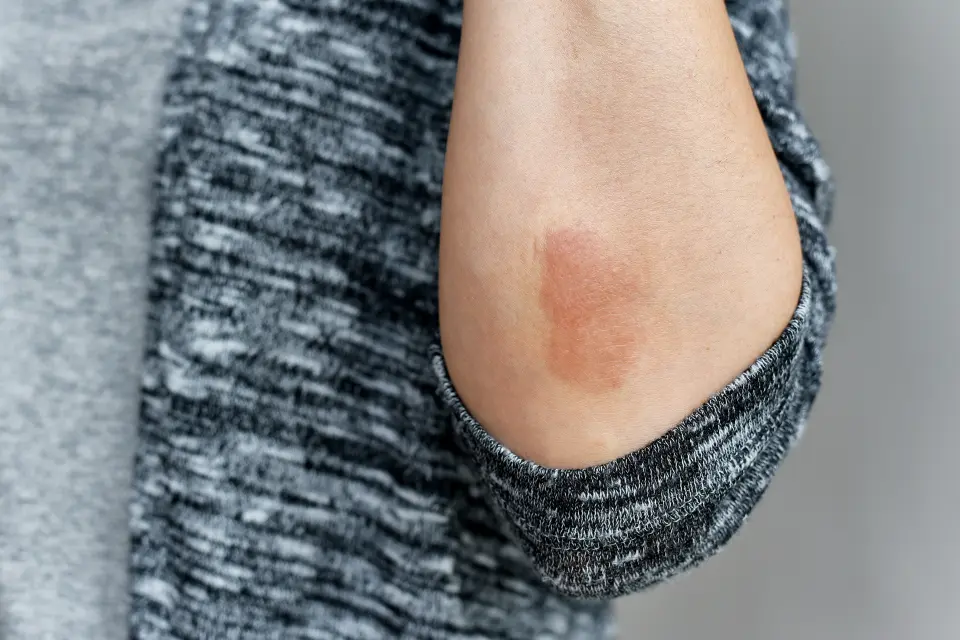
The initial outbreak typically involves small, painful blisters that eventually crust over. On black skin, these blisters might look slightly different. They could appear as slightly raised, darker-colored lesions that might be mistaken for other skin conditions. Herpes vs herpes: identifying the cause can help differentiate between similar-looking skin issues.
Common locations for herpes rashes include the mouth, genitals, and other areas of intimate contact. The virus tends to cause recurrent outbreaks, with each subsequent episode potentially presenting slightly differently on black skin.
Genital herpes is one of the most common herpes presentations, and it deserves specific attention for people with darker skin tones. The signs can be subtle, and because most dermatology textbooks and online photo libraries lean heavily on images from lighter skin, many people with Black skin miss or misread the early signals.
Here is what genital herpes typically looks like on darker skin:
Because PIH can persist long after the virus becomes dormant again, some people with Black skin assume the outbreak is ongoing when it has actually resolved. A provider can clarify what is active infection versus residual pigment change.
Recurrent outbreaks tend to be shorter and milder than the first one. With each episode, the pattern of blisters usually appears in the same general location, which can help you recognize a new outbreak earlier. Antiviral medication taken at the first sign of tingling or itching, called suppressive or episodic therapy, can shorten outbreaks and reduce the chance of passing the virus to a partner.
If you notice any new sores, bumps, or persistent dark spots in the genital area, getting a professional evaluation is the most reliable way to know what you are dealing with. Swab testing of an active sore gives the clearest result.
Herpes spreads through direct skin-to-skin contact, with HSV-1 and HSV-2 having different primary transmission routes. Sexual contact remains the most common method of transmission, particularly for genital herpes. Scabies vs eczema: identifying skin conditions can help rule out other potential skin infections.
Risk factors include multiple sexual partners, compromised immune systems, and high-stress environments. Individuals with darker skin might experience more noticeable post-inflammatory hyperpigmentation following herpes outbreaks.
Treatment Option |
Effectiveness |
Duration |
Notes |
|---|---|---|---|
Antiviral Medications |
High |
7-10 days |
Prescription required |
Topical Creams |
Moderate |
3-5 days |
Over-the-counter options |
Rest and Hydration |
Supporting |
Ongoing |
Helps immune response |
Stress Management |
Preventative |
Continuous |
Reduces outbreak frequency |
Treatments focus on managing symptoms and reducing outbreak duration. Antiviral medications like acyclovir can significantly decrease healing time and viral shedding. Topical treatments can provide symptomatic relief.
Can herpes look different on black skin?
Yes, herpes can appear more subtly on black skin, often with less visible inflammation and more hyperpigmented lesions.
Outbreak frequency varies, with some individuals experiencing multiple episodes annually while others have rare occurrences.
No significant medical differences exist, though itchy skin (pruritus) might present more challenging on darker skin tones.
Currently, there is no permanent cure, but antiviral treatments effectively manage symptoms.
First-time and severe outbreaks warrant medical consultation to confirm diagnosis and receive appropriate treatment.
On Black skin, herpes blisters often appear reddish-brown, grayish, or darker than the surrounding skin rather than bright red. After blisters heal, dark spots called post-inflammatory hyperpigmentation may linger. The overall inflammation can look less dramatic than on lighter skin tones, but the discomfort is the same.
Yes. Once herpes blisters heal, the skin in that area can darken. This is called post-inflammatory hyperpigmentation and is more common in people with higher melanin levels. These dark spots are not active infection; they are a skin response to the earlier inflammation and usually fade over weeks to months.
A provider swabs an active sore and tests it for the herpes simplex virus. This is the most reliable method regardless of skin tone. Blood tests can also detect herpes antibodies, though they cannot pinpoint the location of infection. Visual diagnosis alone is less accurate, especially on darker skin.
No. Herpes spreads through direct skin-to-skin contact regardless of skin tone or melanin level. HSV-1 most commonly spreads through oral contact, while HSV-2 spreads mainly through sexual contact. Having darker skin does not change how the virus transmits or how contagious a person is.
Treatment is the same across all skin tones and centers on antiviral medications such as acyclovir, valacyclovir, or famciclovir. These shorten outbreaks and, taken daily, can reduce recurrence. Managing PIH after outbreaks may involve topical brightening agents; a dermatologist can advise on options safe for darker skin.
Herpes looks different on Black skin, and that difference matters for catching outbreaks early and getting the right care. Blisters tend to appear darker or more muted, and post-inflammatory dark spots can linger well after the outbreak resolves. The good news is that antiviral treatment works just as well across all skin tones, and starting it early makes a real difference. If you are unsure what you are seeing, a swab test during an active outbreak gives you a clear answer. This article is informational and is not a medical diagnosis. Confirm with a licensed clinician, especially for new, worsening, or high-risk symptoms.
Get skin care advice
Chat Now