Mental Health
How to Calm an Anxiety Attack: Techniques That Work in the Moment
April 17, 2026
6 min read

Medically reviewed by Lauren Okafor | MD, The Frank H Netter MD School of Medicine, Loyola University Medical Center on April 25th, 2026.
Published on March 18th, 2026. Updated on July 23rd, 2026.
A dislocated shoulder requires immediate medical attention and should never be "popped back" by untrained individuals
Most shoulder dislocations heal within 12-16 weeks with proper treatment and rehabilitation
Anterior dislocations account for 95% of all shoulder dislocations and typically occur during sports or falls
Recurrent dislocations become increasingly likely without proper rehabilitation and strengthening
A dislocated shoulder is one of the most common joint injuries, particularly among athletes and active individuals. This painful condition occurs when the upper arm bone separates from the shoulder socket, creating visible deformity and immediate disability. Understanding the immediate steps to take and what to expect during recovery can make the difference between a full recovery and chronic instability.
Whether you're an athlete, parent, or someone who has experienced this injury, knowing how to respond properly can prevent complications and improve long-term outcomes. Doctronic's AI-powered consultations provide 24/7 access to expert guidance when shoulder injuries occur, helping you determine the appropriate level of care needed.
A shoulder dislocation occurs when the upper arm bone (humerus) pops completely out of the shoulder socket (glenoid cavity). This separation disrupts the normal anatomy of the shoulder joint, which is naturally designed to prioritize mobility over stability. The shoulder's ball-and-socket construction allows for the greatest range of motion of any joint in the body, but this flexibility comes at the cost of inherent instability.
Three main types of shoulder dislocations exist based on the direction the humeral head moves. Anterior dislocations, where the bone moves forward, account for approximately 95% of all cases. Posterior dislocations occur when the bone shifts backward, typically from seizures or electrical injuries. Inferior dislocations, though rare, happen when the arm bone drops downward, creating a characteristic "arm-overhead" appearance.
The injury extends beyond simple bone displacement. Surrounding structures including the joint capsule, ligaments (particularly the anterior labrum), and rotator cuff muscles often sustain damage during the dislocation event. Like learning to care for your shoulder at home with pinched nerves, understanding the complexity of shoulder anatomy helps patients appreciate why professional medical care is essential for proper healing.
Contact sports represent the leading cause of shoulder dislocations in young adults, accounting for approximately 40% of cases. Football, hockey, rugby, and wrestling create high-risk scenarios where direct contact or awkward falls can force the arm into vulnerable positions. Basketball and volleyball also contribute significantly due to overhead reaching motions and potential collision injuries.
The most common injury mechanism involves falling on an outstretched arm or receiving a direct blow to the shoulder while the arm is positioned away from the body. This creates a lever effect that forces the humeral head out of its socket. Motor vehicle accidents and workplace falls represent other frequent causes, particularly in adults over 40.
Age plays a crucial role in both injury patterns and recurrence risk. Young athletes under 20 face an 80-90% chance of repeat dislocation if they return to sports without proper rehabilitation. Conversely, older adults often experience dislocations from relatively minor trauma due to weakened joint structures and decreased muscle support. Previous shoulder injury dramatically increases vulnerability, creating a cycle where each subsequent dislocation becomes easier to occur.
Individual anatomy also influences susceptibility. People with naturally loose joints (joint hypermobility) or shallow shoulder sockets face higher baseline risk. Some athletes develop chronic instability from repetitive overhead motions that gradually stretch the joint capsule over time.
The moment a shoulder dislocation occurs, immediate immobilization becomes the priority. Never attempt to relocate the joint yourself or allow others to "pop it back in place." This can cause additional damage to nerves, blood vessels, and surrounding soft tissues. Instead, support the injured arm against the body using a makeshift sling from clothing or towels.
Apply ice wrapped in cloth to the shoulder area for 15-20 minutes while arranging transportation to medical care. The cold helps control pain and swelling while you await professional treatment. Avoid applying ice directly to skin, which can cause frostbite, and remove the ice periodically to prevent tissue damage.
Seek emergency medical attention within 2-4 hours of injury when possible. Earlier treatment makes the reduction procedure easier and less painful, as muscle spasm and swelling increase over time. Emergency physicians or orthopedic specialists use proven techniques like traction-countertraction or external rotation methods to safely guide the bone back into position.
Medical professionals will typically order X-rays before and after reduction to rule out fractures and confirm proper joint alignment. They may also assess for nerve damage, particularly to the axillary nerve that controls deltoid muscle function. Pain medication and sometimes sedation help patients relax during the reduction procedure, making it safer and more comfortable.
Initial treatment follows a structured approach beginning with closed reduction, where medical professionals manually guide the displaced bone back into its socket without surgery. Following successful reduction, the shoulder requires immobilization for 3-6 weeks using a sling or specialized brace. This period allows initial healing of stretched ligaments and joint capsule tissues.
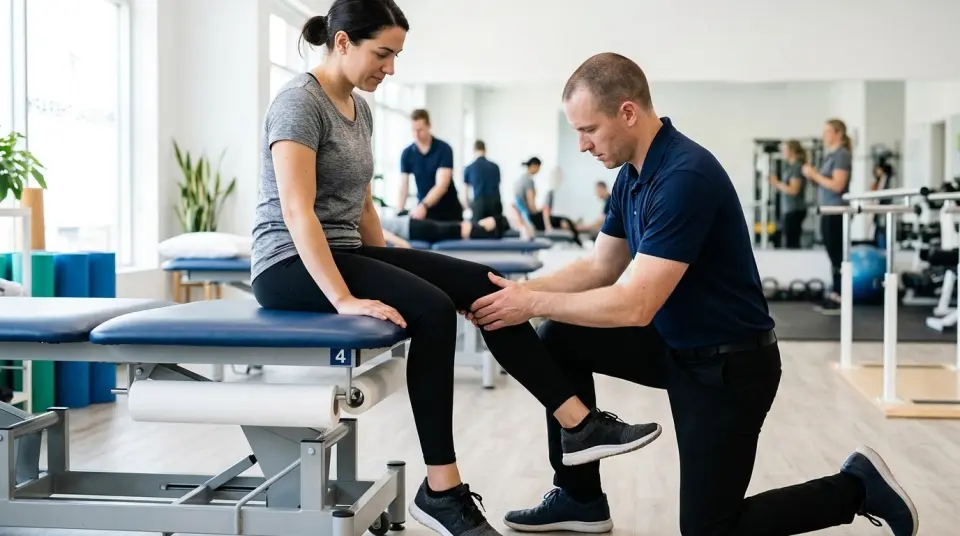
Physical therapy represents the cornerstone of recovery, typically beginning after the immobilization period ends. The rehabilitation program progresses through phases, starting with gentle range-of-motion exercises and advancing to strengthening work. Rotator cuff and scapular stabilizing muscles receive particular attention, as these provide dynamic stability to prevent future dislocations.
The complete recovery timeline varies significantly based on age, activity level, and injury severity. Most patients achieve basic daily function within 6-8 weeks, while full return to contact sports requires 4-6 months of dedicated rehabilitation. Older adults may need longer recovery periods due to slower healing rates and reduced muscle adaptability.
Surgical repair becomes necessary for recurrent dislocations or when significant structural damage occurs during the initial injury. Arthroscopic techniques can repair torn labrum tissue and tighten stretched joint capsules. Modern whole medical systems approaches often integrate traditional rehabilitation with complementary therapies to optimize healing outcomes.
Understanding the difference between shoulder dislocation and AC joint separation helps patients recognize their injury type and expected recovery path. These distinct injuries affect different parts of the shoulder anatomy and require different treatment approaches.
Feature |
Shoulder Dislocation |
AC Joint Separation |
|---|---|---|
Location |
Ball-and-socket joint |
AC joint at top of shoulder |
Appearance |
Obvious deformity, squared-off shoulder |
Bump or step-off at collar bone |
Arm Function |
Complete loss of movement |
Limited but present movement |
Pain Level |
Severe, constant |
Moderate, worse with movement |
Treatment |
Emergency reduction required |
Often conservative management |
Recovery Time |
12-16 weeks typical |
6-8 weeks for most grades |
AC joint separations allow patients to move their arm somewhat, though with significant discomfort. The injury creates a visible bump where the collar bone separates from the acromion process. While painful, separated shoulders often heal well with conservative treatment, making them somewhat preferred among athletes who want faster return to play.
Dislocations create more dramatic symptoms with complete inability to move the affected arm. The shoulder appears visibly deformed with a "squared-off" appearance as the normal rounded contour disappears. This injury absolutely requires professional medical reduction and carries higher risks of complications and recurrence.
Never attempt to relocate a dislocated shoulder yourself or allow untrained individuals to try. Improper reduction techniques can damage nerves, blood vessels, and surrounding tissues, potentially causing permanent complications. Always seek immediate professional medical care for safe reduction using proven techniques and appropriate pain management.
Most people achieve basic daily function within 6-8 weeks, while complete recovery takes 12-16 weeks with proper rehabilitation. Athletes returning to contact sports typically need 4-6 months of dedicated physical therapy and strengthening. Age, injury severity, and commitment to rehabilitation significantly influence recovery timelines.
Recurrence risk varies dramatically by age and activity level. Young athletes under 20 face 80-90% recurrence rates without proper rehabilitation, while older adults have lower repeat dislocation rates. Following complete rehabilitation programs and maintaining shoulder strength significantly reduces recurrence risk across all age groups.
Seek emergency care immediately if you experience visible shoulder deformity, complete inability to move your arm, severe pain, or numbness and tingling in your arm or fingers. Like knowing when to get out of bed with extreme fatigue, recognizing serious shoulder injury symptoms prevents complications through prompt treatment.
Physical therapy typically begins after 3-6 weeks of immobilization, depending on your age and injury severity. Your healthcare provider will determine the appropriate timing based on healing progress and pain levels. Starting therapy too early can re-injure healing tissues, while delayed therapy can lead to stiffness and weakness.
A dislocated shoulder represents a serious injury that demands immediate medical attention and comprehensive rehabilitation to prevent long-term complications. While the initial trauma is painful and limiting, most patients achieve excellent outcomes with proper treatment and dedication to physical therapy. The key lies in avoiding self-treatment attempts, seeking prompt professional care, and following through with complete rehabilitation programs. Understanding the difference between dislocations and separations helps patients set realistic expectations and make informed treatment decisions. With modern medical techniques and structured recovery protocols, most people return to full activity levels within 4-6 months, though maintaining shoulder strength remains important for preventing recurrence throughout life.
Ready to take control of your health? Get started with Doctronic today.
Get pain relief advice
Chat Now
Join 50,000+ readers using Doctronic to understand symptoms, medications,
and next steps.
Add your phone number below to get health updates and exclusive VIP offers.
By providing your phone number, you agree to receive SMS updates from Company. Message and data rates may apply. Reply “STOP” to opt-out anytime. Read our Privacy Policy and Terms of Service for more details.
Save your consults. Talk with licensed doctors and manage your health history.