Bone & Joint Health
What Is a Dangerously High Calcium Level and What Does It Mean?
July 21, 2026
6 min read

Medically reviewed by Lauren Okafor | MD, The Frank H Netter MD School of Medicine, Loyola University Medical Center on April 25th, 2026.
Published on April 17th, 2026. Updated on July 24th, 2026.
Shin splints, also referred to as "Tibial Stress Syndrome", are among the most common overuse injuries, accounting for 10% to 20% of all running injuries
Distinguishing between medial tibial stress syndrome and a stress fracture determines the right treatment approach
Ice, compression, and modified rest during the first 48 to 72 hours set the foundation for faster recovery
Strengthening the anterior tibialis and hip muscles prevents recurring pain more effectively than rest alone
Gradually increasing weekly running distance by no more than 10% significantly reduces injury risk
When symptoms persist or worsen, Doctronic.ai provides 24/7 telehealth consultations to help determine whether specialist care is needed
That sharp, aching pain along the front or inner edge of the lower leg stops runners in their tracks every day. Shin splints are one of the most common overuse injuries in active people, affecting not just runners but also aerobic dancers, military recruits, and anyone who increases activity volume too quickly. Recovering from shin splints requires more than waiting for the pain to fade. The body needs targeted rehabilitation, corrected mechanics, and smarter training progression to fully heal and stay injury-free.
Shin splints develop when repetitive stress overwhelms the muscles, tendons, and bone tissue along the tibia. The condition typically results from a sudden increase in training intensity, worn-out footwear, or biomechanical issues that place excessive load on the lower leg. Flat feet, high arches, and tight calf muscles all contribute to increased risk.
The term "shin splints" covers several related conditions, with medial tibial stress syndrome being the most common. Understanding what is actually happening in the tissue helps guide recovery decisions.
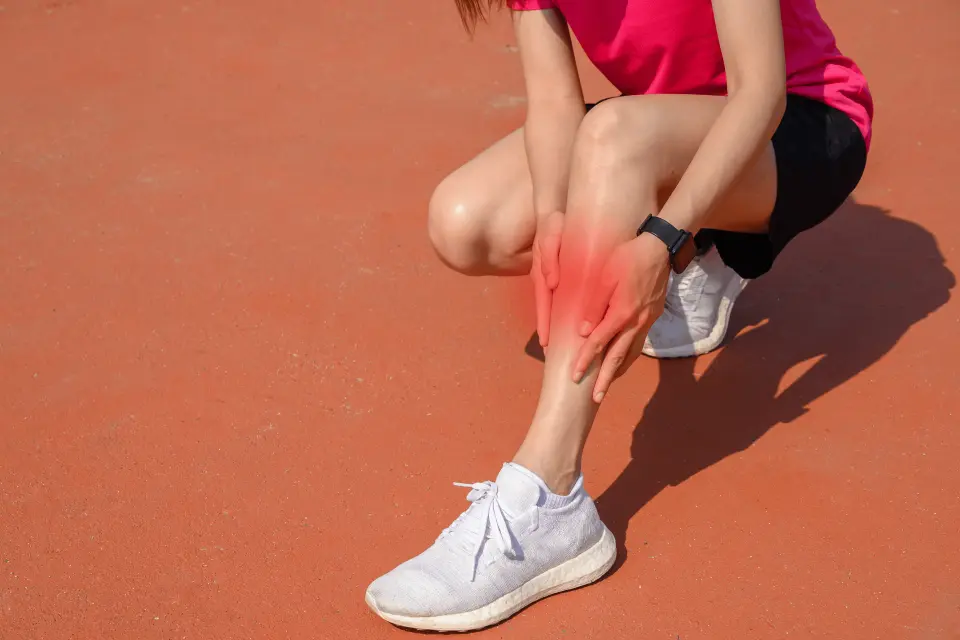
Pain along the inner edge of the shinbone that worsens during activity is the classic presentation. The discomfort usually spans several inches rather than concentrating in a single spot. Mild swelling may appear, and the area feels tender when pressed. Red flags include pain that persists during rest, severe swelling, or numbness in the foot. These symptoms need medical evaluation promptly.
Medial tibial stress syndrome produces diffuse tenderness along several centimeters of the shinbone. A stress fracture produces pinpoint pain in one specific location. The distinction matters because stress fractures typically require an extended period of modified activity or limited weight-bearing, while shin splints often improve with adjusted training.
Pain that intensifies even during walking, or that appears at night, suggests a stress fracture rather than standard shin splints. An X-ray or MRI provides a definitive diagnosis when symptoms remain unclear. When in doubt, getting a proper evaluation before continuing training is always the right call.
Aggressive early treatment reduces inflammation and prevents the injury from worsening. The first few days after symptoms appear set the foundation for how quickly recovery will go.
Apply ice wrapped in a thin towel for 15 to 20 minutes every two to three hours during the first few days. Compression sleeves or elastic bandages provide support and help control swelling. Elevating the leg above heart level when resting further reduces inflammation. Continuing ice application after activity remains beneficial even as acute symptoms improve.
Ibuprofen and naproxen reduce both pain and inflammation effectively when used short-term. Taking either with food protects the stomach lining. Topical anti-inflammatory gels applied directly to the painful area offer an alternative with fewer systemic effects. Using pain medication to continue training rather than to support recovery, however, leads to chronic problems. Masking pain is not the same as healing.
Get shin splints treatment online today
A licensed doctor can review your symptoms and send a prescription to your pharmacy, often the same day.
Sports injuries like shin splints require active rehabilitation, not just passive rest. Targeted exercises address the muscular imbalances and weaknesses that contributed to the injury in the first place.
The calf muscles connect to the Achilles tendon and influence how force transfers through the lower leg during every step. Standing calf stretches with the knee straight target the gastrocnemius, while bent-knee stretches reach the deeper soleus muscle. Hold each stretch for 30 seconds and repeat three to four times daily. Foam rolling the calves before stretching increases tissue mobility and effectiveness.
The anterior tibialis muscle runs along the front of the shin and controls foot movement during walking and running. Toe raises performed by lifting the front of the foot while seated directly strengthen this muscle and reduce the repetitive stress that caused the injury.
Hip weakness, particularly in the gluteus medius, causes the leg to rotate inward during running and increases load on the shinbone. Side-lying leg raises, clamshell exercises, and single-leg bridges build hip stability that protects the entire lower leg. Addressing hip strength is one of the most overlooked components of shin splint rehabilitation.
Maintaining fitness during recovery prevents frustration and supports overall health. Swimming, cycling, and elliptical training provide cardiovascular benefits without impact stress on the tibia. Pool running mimics running mechanics while eliminating ground forces entirely. These activities keep athletes engaged with movement while allowing the bone and soft tissue to heal appropriately.
Equipment and technique often play larger roles in shin splint development than training volume alone. Fixing these factors reduces recurrence risk significantly.
Running shoes lose their cushioning and structural support long before they look visibly worn out. Most running shoes need replacement every 300 to 500 miles, depending on body weight, running surface, and shoe construction. Custom orthotics or quality over-the-counter insoles can correct biomechanical issues like overpronation that contribute to excessive shin stress. A specialty running store can assess foot type and recommend appropriate support levels.
Overstriding places excessive braking forces on the lower leg with each step. Increasing cadence by 5 to 10% shortens stride length and reduces the impact the shin absorbs. A metronome app helps runners practice a higher turnover rate. Landing with the foot closer to the body's center of mass distributes forces more efficiently across the whole leg. Video gait analysis identifies specific problems that contribute to injury risk and guides targeted corrections.
Preventing shin splints from returning requires systematic changes to training habits, surface choices, and recovery practices.
Gradually increasing weekly running distance, typically by no more than 10%, helps minimize injury risk. The exact safe increase varies by individual conditioning and recovery capacity, but this guideline gives bones, muscles, and connective tissue adequate time to adapt. Physical activity guidelines emphasize that maintaining consistent movement with appropriate rest is more sustainable than aggressive training that leads to breakdown. Building mileage with intentional patience costs a few weeks. Rebuilding from a stress fracture costs months.
Including a recovery week every three to four weeks, with reduced volume, gives the body additional time to adapt and consolidate gains. This periodized approach is standard practice in well-designed training plans for good reason.
Concrete and asphalt transmit more impact force than softer surfaces like grass, dirt trails, or rubberized tracks. Varying running surfaces throughout the week reduces repetitive stress patterns on the same tissue. Avoiding excessive downhill running, which dramatically increases eccentric load on the shin muscles, also helps. Cross-training with non-impact activities provides fitness benefits while giving the legs genuine recovery time.
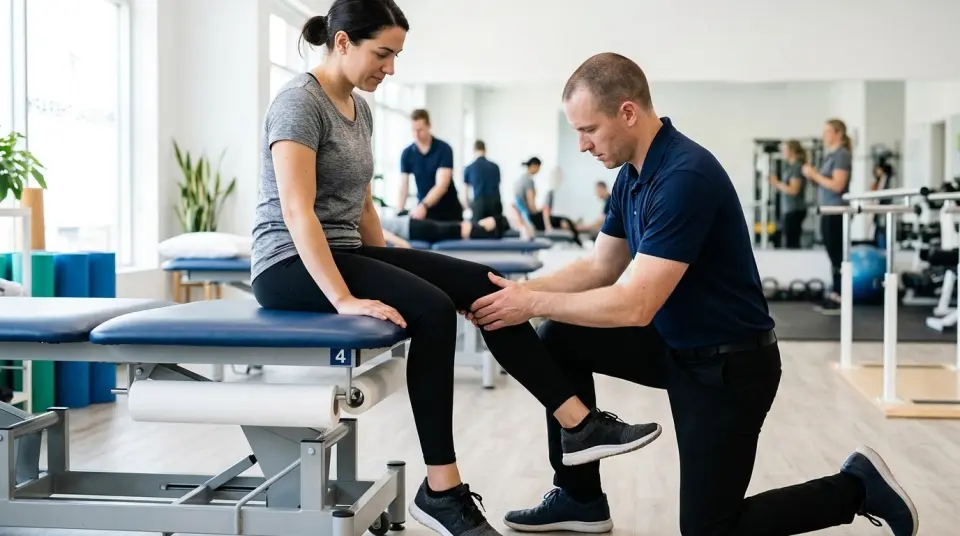
Shin pain lasting more than two weeks despite rest and home treatment warrants professional evaluation. A physical therapist can identify specific muscle imbalances and movement dysfunctions that contributed to the problem, prescribe targeted exercises, and use treatments like dry needling or manual therapy to accelerate healing. Doctronic.ai provides convenient telehealth consultations to help determine whether symptoms require in-person specialist care or can be managed with continued home treatment.
For runners dealing with related lower-leg issues, the Doctronic.ai blog covers Achilles tendon pain and its treatment in detail.
Mild cases typically improve within two to four weeks with proper rest and treatment. Moderate to severe shin splints may require six to twelve weeks before returning to full activity. Rushing back too quickly almost guarantees re-injury.
Continuing to run through significant pain can progress the injury to a stress fracture, which requires a much longer recovery period. The bone tissue needs adequate rest to repair itself, and ignoring that need has real consequences.
Compression sleeves may reduce vibration and provide some support during activity, but they cannot prevent shin splints caused by training errors or biomechanical problems. They work best as one component of a broader prevention strategy.
Ice works best during the acute phase when inflammation is present. Heat may help loosen tight muscles before stretching once initial inflammation subsides, typically after the first week of recovery.
Runners with flat feet, high arches, or leg length discrepancies face a higher risk. Beginners and people returning to activity after time off also experience shin splints more frequently because their tissues are deconditioned and need time to adapt to load.
Recovering from shin splints requires more than rest. Addressing the root causes through proper rehabilitation, corrected running mechanics, and gradual training progression makes the difference between a one-time setback and a recurring problem. For personalized guidance on recovery and knowing when to seek specialist care, Doctronic.ai offers 24/7 AI-powered medical consultations and affordable telehealth visits with licensed physicians.
Explore treatment options
Chat Now