Bone & Joint Health
What Is a Dangerously High Calcium Level and What Does It Mean?
July 21, 2026
6 min read

Medically reviewed by Lauren Okafor | MD, The Frank H Netter MD School of Medicine, Loyola University Medical Center on April 25th, 2026.
Published on April 17th, 2026. Updated on July 23rd, 2026.
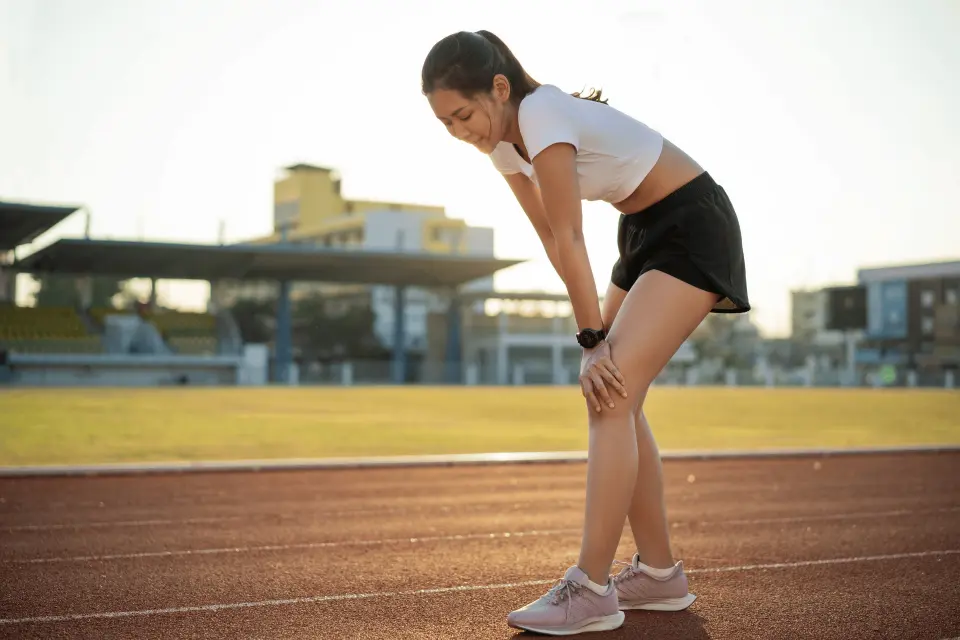
Runner's knee causes a dull ache around or behind the kneecap that typically worsens with activity and improves with rest
Women face a greater risk of developing runner's knee than men due to biomechanical differences in hip and knee alignment
Early warning signs include pain during stairs, squatting, and prolonged sitting with bent knees (sometimes called "movie-goer's knee")
Muscle imbalances in the hips and quadriceps are primary contributors to poor kneecap tracking and ongoing pain
Seek medical attention if pain persists beyond two weeks, swelling increases, or weight-bearing becomes difficult
For quick answers about knee pain, Doctronic.ai provides access to licensed clinicians around the clock.
Runner's knee, medically known as patellofemoral pain syndrome, develops when the kneecap fails to track properly against the thighbone during movement. This creates friction, irritation, and eventually pain that can sideline even casual joggers.
Despite the name, runner's knee does not exclusively affect runners. Cyclists, hikers, basketball players, and anyone who repeatedly bends their knees can develop the condition. Even people who sit for extended periods with bent knees experience symptoms. The condition is painful but generally not dangerous in most cases, which means it responds well to conservative treatment when caught early.
The hallmark symptom is a diffuse, aching pain centered around or behind the kneecap. Unlike sharp, sudden injuries, this pain develops gradually and often feels worse after activity rather than during it. Many people notice increased discomfort after sitting with bent knees for extended periods, a phenomenon called "theater sign" or "movie-goer's knee."
Certain movements consistently aggravate runner's knee. Climbing or descending stairs places significant stress on the patellofemoral joint. Squatting, lunging, and kneeling create similar pressure patterns. Running downhill proves particularly problematic because the knee absorbs greater impact forces during the descent. If these specific activities trigger pain while walking on flat surfaces feels fine, runner's knee is a likely culprit.
A crackling, grinding, or popping sensation when bending the knee indicates soft tissue friction or uneven joint movement. This sound, called crepitus, occurs when surfaces rub against each other during movement. Crepitus alone does not always indicate a problem, but when combined with pain, it suggests the kneecap's tracking pattern has become compromised.
Mild swelling around the kneecap often accompanies runner's knee, though it rarely becomes severe. The area may feel warm to the touch and tender when pressed. This inflammation represents the body's response to ongoing irritation and typically increases after activity.
The most common trigger is doing too much too quickly. Increasing running mileage by more than ten percent per week, adding hill work without adequate preparation, or suddenly ramping up training intensity all stress the patellofemoral joint beyond its capacity to adapt. The tissues need time to strengthen in response to new demands.
Flat feet, high arches, and overpronation alter how forces distribute through the knee during movement. Worn-out shoes that no longer provide adequate support compound these issues. Running shoes typically need replacement every 300 to 500 miles, and continuing to train in degraded footwear substantially increases injury risk.
Weak hip muscles, particularly the gluteus medius, allow the thigh to rotate inward during activity. This inward rotation pulls the kneecap out of its proper groove. An imbalance between the inner and outer quadriceps muscles also affects patellar tracking. The vastus medialis oblique muscle on the inner thigh often becomes weak relative to the outer quadriceps, creating lateral pulling on the kneecap.
Patellofemoral pain syndrome is especially common in female athletes and young adults due to wider pelvic anatomy, which increases the inward angle of the thigh bone toward the knee.
Get runners knee treatment online today
A licensed doctor can review your symptoms and send a prescription to your pharmacy, often the same day.
Related medications we prescribe
Knee pain lasting more than two weeks despite rest and home treatment warrants professional evaluation. Pain that interferes with normal activities like walking, climbing stairs, or sitting comfortably indicates the condition has progressed beyond what self-care can adequately address. Doctronic provides telehealth visits with licensed doctors for accessible guidance when symptoms persist.
Any obvious change in knee shape or appearance requires medical attention. Significant swelling that develops rapidly, particularly after an injury, may indicate damage beyond simple patellofemoral irritation. These signs suggest potential ligament, meniscus, or bone involvement that needs proper diagnosis.
Difficulty putting weight on the affected leg, knee instability, or a sensation that the knee might "give out" signals a more serious problem. These symptoms may indicate structural damage requiring imaging studies and more aggressive intervention than standard runner's knee treatment.
Several knee injuries and disorders can produce similar symptoms and affect different parts of the joint, making an accurate diagnosis important before starting treatment.
Rest, ice, compression, and elevation remain a useful first-line approach for acute knee pain. Reduce activity to a level that does not provoke symptoms. Apply ice for 15 to 20 minutes several times daily. Use a compression bandage to control swelling. Elevate the leg when resting to promote fluid drainage.
Over-the-counter anti-inflammatory medications like ibuprofen can reduce pain and swelling during acute flares. These should be used short-term rather than as a long-term management strategy.
Complete rest often proves counterproductive. Maintaining fitness through swimming, pool running, or cycling keeps muscles strong while reducing knee stress. The goal is staying active without aggravating symptoms, not stopping movement entirely.
The Doctronic blog covers pain on the outside of the knee for those experiencing symptoms that may suggest a related but different condition, such as IT band syndrome.
Preventing runner's knee recurrence requires addressing underlying causes. A comprehensive approach includes strengthening exercises targeting the hip abductors, gluteal muscles, and quadriceps. Single-leg exercises like step-ups and single-leg squats build stability and correct muscle imbalances.
Flexibility work for the hamstrings, hip flexors, and iliotibial band reduces tension patterns that affect patellar tracking. Foam rolling and stretching should become regular parts of any training routine. Gradual progression in training volume, proper footwear selection, and attention to running form all contribute to long-term knee health.
Most cases improve within six to eight weeks with proper treatment, including rest, targeted strengthening, and activity modification. Severe or chronic cases may require several months of rehabilitation. Early intervention typically leads to faster recovery.
Yes, but activity modification is essential. Switch to low-impact exercises that do not aggravate symptoms. Swimming and cycling often work well during recovery. Avoid running, squatting, and stair climbing until symptoms improve.
Most cases do not require imaging. Doctors typically diagnose runner's knee through physical examination and symptom history. Imaging becomes necessary only when symptoms suggest other conditions or when conservative treatment has not worked after several weeks.
Without addressing underlying causes like muscle imbalances and training errors, symptoms often persist or worsen. Rest alone may temporarily reduce pain, but the condition typically returns when activity resumes unless the underlying causes are addressed.
Hip-strengthening exercises, particularly those targeting the gluteus medius, consistently show benefits in research. Clamshells, side-lying leg raises, and single-leg squats help correct the alignment issues that contribute to patellofemoral pain.
Runner's knee symptoms respond well to early recognition and proper treatment. Addressing muscle imbalances, modifying training, and seeking professional guidance when symptoms persist lead to successful recovery for most people. For quick access to a licensed provider when knee pain is slowing you down, Doctronic.ai offers convenient telehealth consultations available any time.
Check symptoms of runner's knee
Chat Now