

Skin Health
Understanding Warts: Causes, Types, and Treatments | Easy Guide
December 28, 2023
3 min read

Medically reviewed by Alan Lucks | MD, Alan Lucks MDPC Private Practice - New York on May 24th, 2026.
Published on April 17th, 2026. Updated on July 24th, 2026.
Hand warts are caused by specific strains of the human papillomavirus (HPV), which enters the body through tiny cuts or damaged skin
Children and teenagers are most affected, with up to 22% experiencing hand warts compared to only 3% to 5% of adults
The virus spreads through both direct contact with infected skin and indirect contact with contaminated surfaces
Prevention focuses on proper hand hygiene, protecting damaged skin, and supporting immune function
Over-the-counter salicylic acid treatments can achieve cure rates of 50% to 70% with consistent use
For guidance on identifying warts and determining when professional treatment is needed, visit Doctronic.ai
Those small, rough bumps appearing on fingers and palms are not random skin growths. Hand warts develop from a viral infection that millions of people encounter each year. The good news is that understanding what causes hand warts makes prevention much easier. HPV, the virus responsible, thrives in specific conditions and spreads through predictable patterns. Once people recognize these patterns, they can take simple steps to protect themselves and their families. This knowledge proves especially valuable for parents, since children face the highest risk of developing these stubborn growths. Warts themselves pose no serious health threat, but they can be embarrassing and uncomfortable. The key to keeping hands clear lies in blocking the virus before it takes hold.
Hand warts do not appear out of nowhere. They result from infection with HPV, a common virus that exists in over 200 different strains. Medical experts note that HPV is everywhere, making complete avoidance difficult, but understanding how it works gives people a real advantage in reducing infection risk.
HPV enters the body through breaks in the skin's surface. Even microscopic cuts or scratches provide enough access for the virus. Once inside, HPV infects cells in the top layer of skin called the epidermis. The virus then hijacks these cells, forcing them to multiply rapidly. This uncontrolled growth creates the raised, rough texture that defines a wart. The process typically takes weeks to months from initial infection to visible wart formation.
Not all HPV strains cause warts on hands. Types 1, 2, 4, 27, and 57 are the main culprits for hand and finger warts. These strains differ from those causing genital warts or other skin conditions. The specific strain determines the wart's appearance and behavior. Type 2 causes most common hand warts, while type 1 more often affects feet. Knowing this helps explain why someone might have hand warts without developing them elsewhere.
Different wart types require different approaches to treatment and prevention. Recognizing what type has appeared helps determine the best course of action.
These represent the most frequent hand warts people encounter. Common warts appear as raised, dome-shaped bumps with a rough, grainy surface. They often feature tiny black dots, which are actually small blood vessels. The backs of fingers and hands serve as their favorite locations. Common warts range from pinhead-sized to pea-sized and may appear alone or in clusters. Children encounter these most often due to their developing immune systems and frequent hand-to-hand contact during play.
Palmar warts grow on the palms and can be particularly uncomfortable because pressure from gripping objects pushes them inward. They often appear flatter than common warts due to this constant pressure. Periungual warts develop around and under fingernails, making them especially challenging to treat. These can distort nail growth and cause pain when they press against the nail bed. Both types spread easily through nail-biting habits or picking at hangnails, and understanding when hand warts need medical attention helps people decide between home treatment and professional care.
Talk to a doctor about warts
Connect with a licensed doctor online to talk through your symptoms, understand your treatment options, and find out which medications may be available through telehealth.
Understanding transmission routes makes prevention much more effective. The virus moves from person to person and from surface to skin through specific pathways.
Direct transmission occurs when someone touches another person's wart or infected skin. Handshakes, high-fives, and physical play all create opportunities for the virus to spread. Indirect transmission happens when people touch contaminated surfaces. Shared towels, doorknobs, gym equipment, and keyboards can all harbor the virus. HPV can survive on surfaces for a short time, typically hours to days, especially in warm, moist environments.
Intact skin provides excellent protection against HPV. The virus needs an entry point to cause infection. Hangnails, paper cuts, scrapes, and cracked cuticles all create vulnerable spots. People who bite their nails face elevated risk because they constantly damage the skin around their fingers while also introducing the virus from surfaces to those openings. Dry, cracked winter skin similarly increases susceptibility.
Certain locations present higher exposure risks. Swimming pools, locker rooms, and shared shower areas maintain the warm, moist conditions HPV prefers. Gyms with shared equipment spread the virus efficiently. Schools and daycare centers see frequent outbreaks due to close contact between children. Public playgrounds, especially those with climbing equipment, can transfer the virus between young hands.
Preventing hand warts requires consistent habits rather than complicated measures. These practical strategies significantly reduce infection risk.
Regular handwashing remains the most effective prevention method. Soap and water remove the virus before it can enter through skin breaks. People should wash hands after using public spaces, touching shared surfaces, and before touching their faces. Keeping hands moisturized prevents the cracking that creates entry points. Using personal towels rather than shared ones eliminates a common transmission route. Covering existing warts with bandages prevents spreading them to other areas or other people.
Wearing gloves during activities involving shared equipment provides a physical barrier against the virus. Gym-goers should wipe down equipment before use and consider wearing workout gloves. Children benefit from learning not to share towels or personal items at school. Avoiding nail-biting and picking at cuticles removes two major risk factors. Keeping nails trimmed and cuticles healthy reduces vulnerable entry points.
A strong immune system often clears HPV before warts develop. Adequate sleep, regular exercise, and balanced nutrition support immune function. Stress management matters because chronic stress weakens immune response. Children with strong immune systems often fight off the virus without ever developing visible warts. This helps explain why adults develop warts less frequently than children: mature immune systems handle the virus more effectively.
Most warts eventually disappear on their own, but some situations call for medical attention. Doctronic.ai provides a convenient way to get initial guidance on whether a skin growth needs professional evaluation.
Home treatments work well for many common warts. Salicylic acid products, applied consistently over weeks, dissolve wart tissue gradually. These treatments require patience and daily application for best results. Clinical options include cryotherapy, which freezes warts with liquid nitrogen, and minor surgical removal. Doctors may also use laser treatment or immunotherapy for stubborn cases. Treatment choice depends on wart location, size, and how long the growth has persisted, and understanding how warts respond to different treatments helps set realistic expectations for each approach.
Certain symptoms indicate the need for professional care. Warts that bleed, show signs of infection, or cause significant pain require medical attention. Rapid spreading to multiple areas suggests the immune system needs support. Warts that do not respond to over-the-counter treatment after two to three months warrant clinical evaluation. Changes in color or appearance should prompt a doctor visit to rule out other conditions.
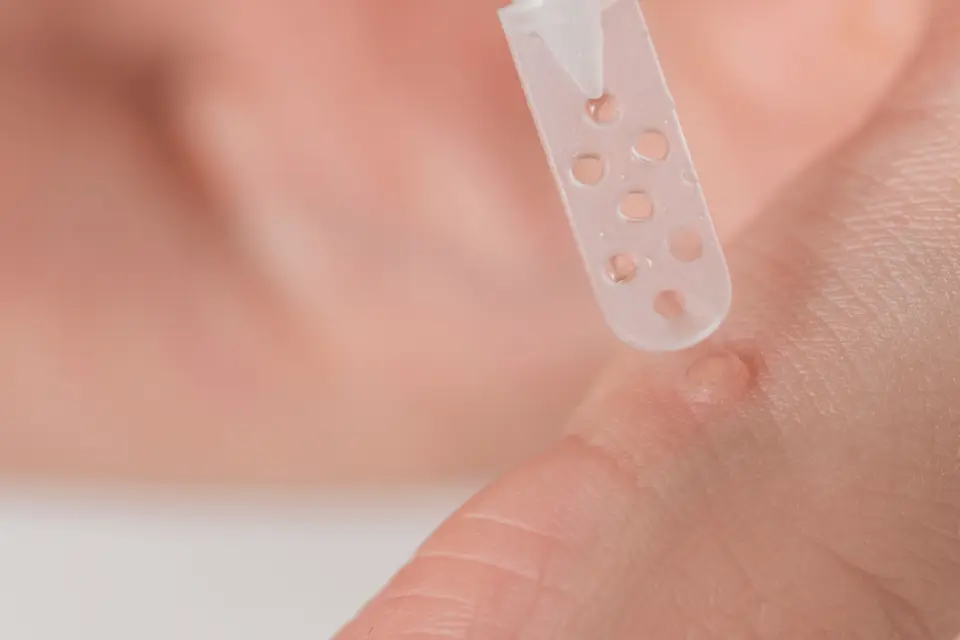
Yes, warts can spread from the hands to other parts of the body through touch. This process, called autoinoculation, happens when someone touches their wart and then touches another body part with broken skin. Keeping warts covered and avoiding picking at them prevents their spread.
Untreated warts may persist for months to years. In children, about 65% of warts disappear within two years as the immune system eventually clears the virus. Adult warts often last longer because the immune response to HPV varies, rather than being weaker overall.
Hand warts can spread among family members through direct contact or shared items such as towels and nail clippers. Keeping personal hygiene items separate and covering warts significantly reduce the risk of household transmission.
Not necessarily. Many healthy people develop warts simply through exposure. Frequent or widespread warts might suggest immune function issues worth discussing with a healthcare provider through Doctronic.ai or another medical service.
Hand warts result from HPV infection and spread through direct contact and contaminated surfaces. Prevention centers on good hygiene, protecting damaged skin, and maintaining immune health. For quick answers about suspicious skin growths or treatment options, visit Doctronic.ai for free AI doctor consultations or affordable telehealth visits with licensed physicians available 24/7.
Get medical advice
Chat Now