Bone & Joint Health
What Is a Dangerously High Calcium Level and What Does It Mean?
July 21, 2026
6 min read

Medically reviewed by Lauren Okafor | MD, The Frank H Netter MD School of Medicine, Loyola University Medical Center on April 23rd, 2026.
Published on April 17th, 2026. Updated on July 23rd, 2026.
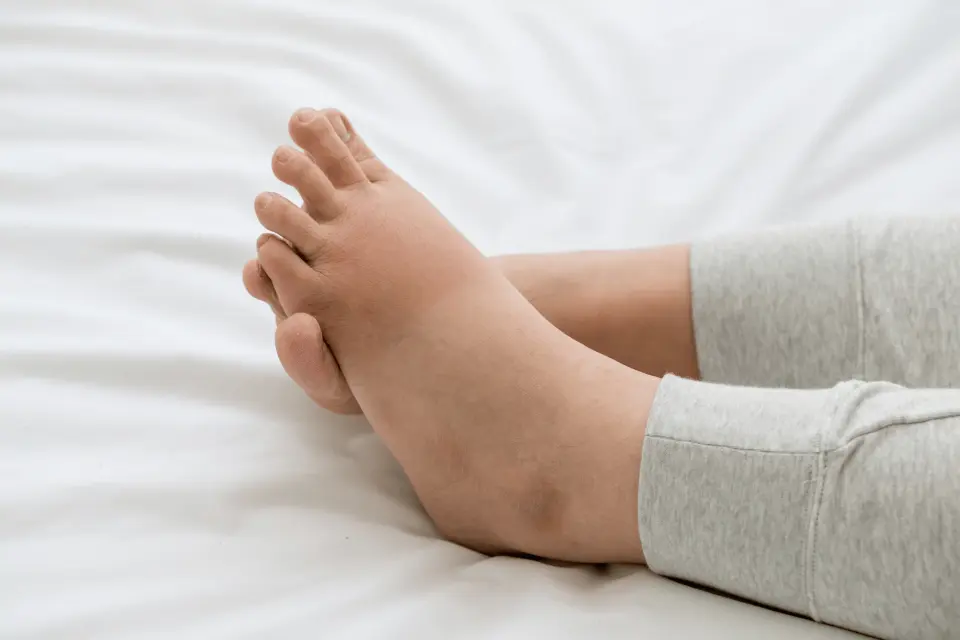
Swollen ankles result from fluid accumulation called edema, which can stem from simple lifestyle factors or signal serious health conditions
Prolonged sitting, high sodium intake, and minor injuries cause most temporary ankle swelling
Chronic conditions like venous insufficiency, heart failure, and lymphedema require medical evaluation and ongoing management
One-sided swelling with pain and warmth may indicate deep vein thrombosis, a medical emergency
Recognizing patterns in swelling helps distinguish harmless puffiness from warning signs that need attention
Doctronic.ai offers telehealth visits to help determine when ankle swelling needs professional evaluation
Most people notice puffy ankles after a long flight or an extra-salty meal, then forget about it once the swelling goes down. That casual dismissal works fine for temporary puffiness. The problem arises when swelling persists, returns frequently, or appears alongside other symptoms.
Ankle swelling occurs when excess fluid collects in the tissues surrounding the ankle joint. Gravity pulls this fluid downward throughout the day, which explains why ankles often look worse by evening. The body normally maintains a careful balance between fluid in blood vessels and fluid in tissues, and when this balance is disrupted, swelling results.
Desk workers and frequent flyers know this scenario well. Hours of immobility allow fluid to pool in the lower legs. The calf muscles normally act as pumps, pushing blood back toward the heart with each step, and without movement, this pumping action stops, and fluid seeps into surrounding tissues. Simple fixes work for most people: walking breaks every hour, ankle circles while seated, and elevating feet when possible.
Eating a sodium-heavy meal triggers the body to retain water, and this retained fluid often shows up as ankle swelling within hours. Restaurant meals, processed foods, and canned soups contain surprisingly high levels of sodium. Reducing sodium intake to under 2,300 milligrams per day helps most people manage diet-related swelling.
Sprains, strains, and stress fractures cause localized swelling as the body sends inflammatory cells to repair damaged tissue. This type of swelling usually accompanies pain, bruising, or difficulty bearing weight. Using an ankle symptom assessment can help determine whether an injury needs professional evaluation or will respond to home care.
Get venous insufficiency treatment online today
A licensed doctor can review your symptoms and send a prescription to your pharmacy, often the same day.
Related medications we prescribe
Learn moreHealthy leg veins contain one-way valves that prevent blood from flowing backward. When these valves weaken or fail, blood pools in the lower legs, increasing pressure and forcing fluid into surrounding tissues. Visible varicose veins often accompany this condition, along with skin changes and aching legs. Treatment ranges from compression therapy to minimally invasive procedures that close damaged veins.
A weakened heart struggles to pump blood efficiently, causing fluid backup throughout the body. This backup often manifests as ankle swelling that worsens in the evening and improves after sleeping, since lying flat redistributes fluid. Kidney disease also causes significant edema, and because many adults with kidney disease are unaware of their condition, ankle swelling can serve as an important early warning sign.
The lymphatic system drains excess fluid from tissues back into the bloodstream. When lymph nodes or vessels are damaged or blocked, fluid accumulates, causing persistent swelling that typically does not respond to elevation alone. Cancer treatment, particularly lymph node removal and radiation therapy, frequently triggers lymphedema. Infections and certain surgeries can also disrupt lymphatic drainage. This condition requires specialized management, including manual lymphatic drainage, graduated compression garments, and careful skin care to prevent secondary infections in the affected limb.
Several common medications list ankle swelling as a side effect, including calcium channel blockers prescribed for blood pressure, certain diabetes medications like pioglitazone, corticosteroids used for inflammation, and hormone replacement therapy. The swelling typically appears within weeks of starting a new medication and often resolves when the drug is adjusted or discontinued.
Pregnancy causes predictable ankle swelling due to increased blood volume and pressure on the pelvic veins from the growing uterus. Menstrual cycle fluctuations also trigger temporary swelling in many women, particularly in the days before menstruation when progesterone levels shift. Anyone experiencing new ankle swelling should review their medication list with a healthcare provider to rule out drug-related causes.
Blood clots in the deep leg veins represent a medical emergency. A clot can break loose and travel to the lungs, causing a potentially fatal pulmonary embolism. Warning signs include sudden swelling in one leg, warmth, redness, and pain that worsens with foot flexion. Risk factors include recent surgery, prolonged immobility, cancer, pregnancy, and certain genetic conditions.
The pattern of swelling provides important diagnostic clues. Swelling in both ankles typically suggests systemic causes like heart failure, kidney disease, or medication effects. One-sided swelling raises concern for DVT, injury, or localized infection. Bilateral swelling accompanied by shortness of breath, fatigue, or rapid weight gain requires prompt evaluation.
Graduated compression stockings apply pressure that decreases from ankle to knee, supporting venous return. Elevating legs for 20 to 30 minutes several times daily encourages fluid drainage. Reducing sodium intake, staying hydrated, and maintaining regular physical activity support overall fluid balance.
Occasional puffiness after exercise or long days on your feet is usually nothing to worry about. But when swelling after physical activity becomes a recurring concern, it may indicate underlying vascular or cardiac issues that warrant investigation. Walking, swimming, and cycling strengthen calf muscles and improve circulation, helping prevent fluid accumulation.
Seek evaluation for swelling lasting more than a few days, swelling in only one leg, swelling accompanied by chest pain or shortness of breath, or swelling with skin changes like redness or warmth.
While dehydration itself does not directly cause ankle swelling, it can contribute to a fluid imbalance that may worsen existing edema. Drinking adequate water actually helps reduce fluid retention.
Properly fitted compression stockings effectively reduce swelling from venous insufficiency and prolonged sitting or standing. They work best when worn consistently throughout the day.
Mild ankle swelling during pregnancy is normal. Sudden severe swelling, especially with headache or vision changes, may indicate preeclampsia and requires immediate medical attention.
Ankle swelling ranges from harmless fluid retention to a warning sign of serious conditions requiring treatment. Recognizing patterns and red flags helps determine when home care suffices and when professional evaluation becomes necessary. For personalized guidance on ankle swelling concerns, Doctronic.ai offers telehealth visits with licensed physicians available around the clock.
Get advice about swollen ankles
Chat Now