
Sun Protection for Fair Skin: A Complete Guide to Preventing Damage

Medically reviewed by Alan Lucks | MD, Alan Lucks MDPC Private Practice - New York on May 23rd, 2026.
Published on April 17th, 2026. Updated on July 23rd, 2026.
Key takeaways
Fair skin contains less melanin, making it highly vulnerable to UV damage and increasing the risk of sunburn, premature aging, and skin cancer
Broad-spectrum SPF 50 or higher sunscreen is essential for pale complexions, with reapplication every two hours or after swimming and sweating
UPF-rated clothing, wide-brimmed hats, and UV-blocking sunglasses provide critical physical barriers against harmful rays
The UV Index and shadow rule help determine when sun exposure poses the greatest risk
Regular mole checks and professional skin screenings catch potential problems early when they are most treatable
Doctronic.ai offers telehealth visits to help assess skin type and understand personal UV damage risk factors
Questions about sun protection?
Free. Anonymous. Built by doctors.
This article covers general information. Ask Doctronic about your symptoms, medications, side effects, or treatment options.
Why Fair Skin Needs Extra Sun Protection
Despite widespread awareness of sun safety, sunburn rates remain stubbornly high, with surveys showing that approximately one-third of adults report sunburn each year. This trend particularly affects fair-skinned individuals who lack the natural defenses that darker skin tones possess. Protecting fair skin from sun damage is a health necessity, with consequences extending beyond painful sunburn to include accelerated aging, permanent pigmentation changes, and significantly elevated cancer risk.
The Role of Melanin and Skin Type
Melanin acts as the skin's natural sunscreen, absorbing UV radiation and dispersing it as heat to prevent cellular damage. Fair-skinned individuals produce far less melanin than those with darker complexions, leaving their skin cells exposed and vulnerable. The Fitzpatrick skin type classification system identifies six types based on sun exposure response, with Types I and II, characterized by very fair skin that burns easily and rarely tans, requiring the most aggressive protection strategies. These skin types can burn in as little as 15 minutes of exposure to midday sun without protection.
Long-Term Risks: Photoaging and Skin Cancer
Repeated UV exposure causes cumulative damage manifesting as photoaging, including deep wrinkles, leathery texture, dark spots, and broken blood vessels. These changes occur decades earlier in unprotected fair skin compared to darker skin types.
The cancer risk is more concerning. Fair-skinned individuals face significantly higher rates of melanoma, basal cell carcinoma, and squamous cell carcinoma. Blistering sunburns, particularly those occurring in childhood or adolescence, substantially increase melanoma risk later in life, making early prevention habits critical.
Choosing the Right Sunscreen for Pale Complexions
Broad-Spectrum Protection and SPF 50+
Broad-spectrum sunscreen blocks both UVA and UVB rays. UVB causes sunburn, while UVA penetrates deeper and drives aging and cancer. For fair skin, SPF 50 or higher is preferred for daily use, with SPF 30 as the absolute minimum. SPF 50 blocks approximately 98 percent of UVB rays, providing the margin of error that pale complexions need.
Physical vs. Chemical Filters
Physical sunscreen formulations contain zinc oxide or titanium dioxide, sitting on the skin's surface to reflect UV rays. They work immediately upon application and rarely cause irritation, making them ideal for sensitive fair skin. Chemical sunscreens absorb UV radiation and convert it to heat, requiring about 15 minutes to activate. Fair-skinned people with reactive skin often do better with physical formulas, though choosing the right mineral or chemical option depends on individual skin concerns and preferences.
Application Techniques and Reapplication
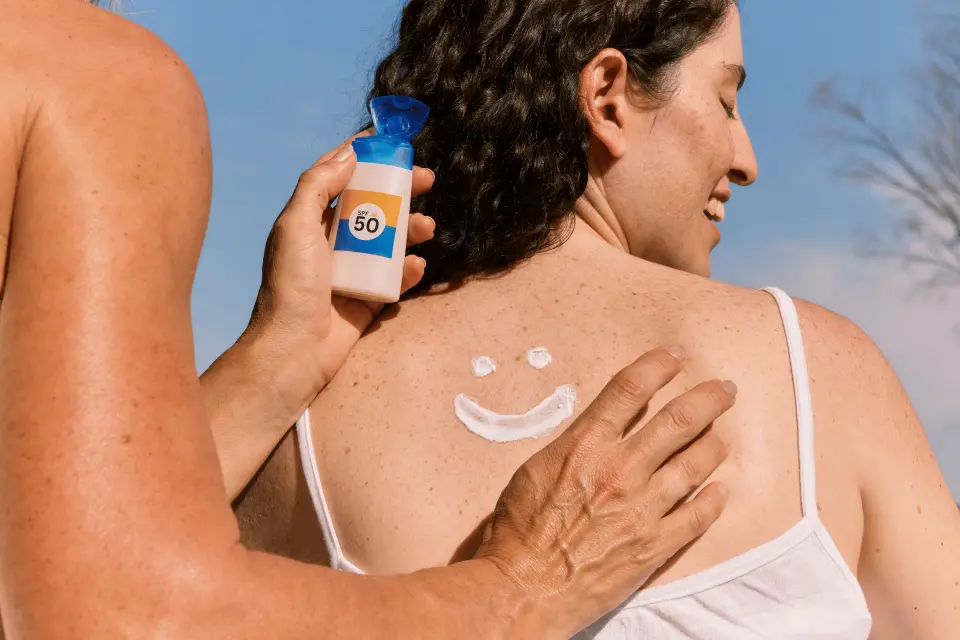
Most people apply only 25 to 50 percent of the sunscreen needed for adequate protection. Adults require approximately one ounce to cover exposed areas properly. Pay special attention to commonly missed spots like ears, hairline, back of hands, and feet. Reapplication every two hours is essential, and swimming, sweating, or toweling off removes sunscreen regardless of water-resistance claims.
See a doctor online today
A licensed doctor can review your symptoms online, talk through next steps, and send a prescription to your pharmacy if appropriate.
- $39 video visit
- Insurance accepted
- 4.8 on Trustpilot
Protective Clothing and Physical Barriers
UPF Ratings in Fabric
UPF measures how much UV radiation penetrates fabric. A UPF 50 garment allows only one-fiftieth of UV rays through, while regular cotton t-shirts typically offer UPF 5 to 7, providing minimal protection. Dark colors and tightly woven fabrics naturally block more UV radiation, and specialized sun-protective clothing maintains enhanced protection even when wet.
Wide-Brimmed Hats and UV-Rated Sunglasses
A wide-brimmed hat with at least three inches all around protects the face, ears, and neck simultaneously. Baseball caps leave the ears and neck exposed, areas where skin cancers frequently develop. UV-rated sunglasses protect the delicate skin around the eyes and prevent cataracts. Look for labels indicating 99 to 100 percent UVA and UVB protection.
Lifestyle Strategies to Limit Sun Exposure
Navigating Peak Intensity Hours
UV radiation peaks between 10 AM and 4 PM in most locations. Fair-skinned individuals should plan outdoor activities for early morning or late afternoon when possible. Shade reduces UV exposure by 50 to 95 percent depending on the source, with dense tree canopy providing better protection than beach umbrellas that allow reflected rays from sand and water to reach skin from below.
Understanding the UV Index and Shadow Rule
The UV Index measures solar radiation intensity on a scale of 1 to 11 or higher, and fair skin can burn at UV Index 2 or higher. Most weather apps display this information, making daily planning straightforward. The shadow rule offers a quick assessment: when a shadow is shorter than the person casting it, UV intensity is high enough to cause rapid burning.
Post-Exposure Care and Skin Monitoring
Soothing Sunburns
Cool compresses and aloe vera gel provide immediate relief for sunburned skin. Anti-inflammatory medications reduce pain and inflammation when taken early. Hydrating lotions help repair the damaged skin barrier as healing progresses. Severe burns with blistering, fever, or chills warrant medical attention. Finding the right products for fair skin sun protection makes a meaningful difference in preventing damage before it starts.
Regular Mole Checks and Professional Screenings
Monthly self-examinations catch changes early using the ABCDE method: Asymmetry, Border irregularity, Color variation, Diameter larger than a pencil eraser, and Evolution or change over time. Photograph suspicious spots to track changes accurately. Annual professional skin screenings are essential for fair-skinned individuals, as dermatologists can identify concerning lesions that untrained eyes miss.
Frequently Asked Questions
Reapply every two hours during sun exposure, and immediately after swimming, sweating, or toweling off. Even water-resistant formulas lose effectiveness over time.
Any tan represents DNA damage. Fair skin lacks sufficient melanin to tan without sustaining cellular injury that increases cancer risk.
SPF 50 blocks 98 percent of UVB rays, while SPF 100 blocks 99 percent. The difference is minimal. Proper application and reapplication matter far more than higher SPF numbers.
Up to 70 percent of UV radiation penetrates cloud cover. Fair skin can burn on overcast days, especially at high altitudes or near reflective surfaces.
The Bottom Line
Fair skin requires consistent, multi-layered sun protection to prevent serious damage. Combining broad-spectrum SPF 50+ sunscreen with protective clothing, smart scheduling, and regular skin monitoring creates the best defense against UV damage. For personalized guidance on skin protection and health concerns, Doctronic.ai offers telehealth visits with licensed physicians available around the clock.
Related articles
Get skin care advice
Chat Now