
Best Sunscreen for Fair Skin: SPF Recommendations by Skin Type

Medically reviewed by Lauren Okafor | MD, The Frank H Netter MD School of Medicine, Loyola University Medical Center on May 3rd, 2026.
Published on March 27th, 2026. Updated on July 23rd, 2026.
Key takeaways
Fair skin contains less melanin, making it highly vulnerable to UV damage and requiring SPF 30 or higher as the recommended minimum protection level
Broad-spectrum sunscreen with PA++++ ratings protects against both UVB burns and UVA-induced premature aging
Different skin types need specific formulas: oil-free for acne-prone, hydrating mineral for dry, and hypoallergenic for sensitive skin
The two-finger rule ensures adequate coverage for face and neck, with reapplication every two hours during outdoor activities
Physical sunscreens with zinc oxide work well for reactive skin, while modern chemical filters offer invisible wear for daily use
To find the right sun cream formula for your skin, Doctronic.ai offers AI-powered consultations based on your health history
Questions about sunscreen?
Free. Anonymous. Built by doctors.
This article covers general information. Ask Doctronic about your symptoms, medications, side effects, or treatment options.
Protecting Pale Complexions from UV Damage
Finding the best sun cream for fair skin requires understanding that pale complexions face unique challenges under the sun. People with light skin burn faster, develop sun damage more quickly, and carry a higher risk of long-term skin concerns. The right SPF recommendation depends entirely on individual skin type, whether that means managing oiliness, combating dryness, or calming reactive responses. Doctronic.ai can help individuals understand their specific skin needs through AI-powered consultations that consider personal health history. This guide breaks down exactly which sunscreen formulas work best for different fair skin types and explains the science behind effective UV protection.
Understanding Why Fair Skin Needs Specialized Sun Protection
The Role of Low Melanin and UV Sensitivity
Melanin acts as the body's natural sunscreen, absorbing UV radiation before it damages skin cells. Fair skin produces significantly less melanin than darker skin tones, leaving it with minimal built-in defense. This biological reality means pale complexions can burn in as little as 5 to 10 minutes of direct sun exposure. The lack of protective pigment also increases vulnerability to photoaging, including fine lines, dark spots, and loss of elasticity that appear years before they should.
Why SPF 30 is the Absolute Minimum for Pale Complexions
SPF 15 might work for brief indoor activities, but fair skin demands more. Dermatologists recommend broad-spectrum sunscreen with SPF 30 to 50 for light complexions, with SPF 50+ being ideal since it blocks approximately 98% of UVB rays when properly applied. The difference between SPF 30 and SPF 50 seems small on paper, but for skin that burns easily, that extra protection matters significantly during extended outdoor time.
Top SPF Recommendations by Specific Skin Type
Oil-Free and Mattifying Formulas for Acne-Prone Skin
Oily, acne-prone fair skin needs sunscreen that protects without clogging pores or adding shine. Look for labels that say "non-comedogenic" and "oil-free" as these formulas skip heavy ingredients that trigger breakouts. Gel-based and water-based sunscreens absorb quickly and leave a matte finish that works well under makeup. Niacinamide-infused options offer added benefits by helping control sebum production throughout the day.
Hydrating Mineral Creams for Dry and Flaky Skin
Dry fair skin benefits from mineral sunscreens that contain moisturizing ingredients like hyaluronic acid, glycerin, or ceramides. These formulas create a protective barrier while simultaneously addressing dehydration. Cream-based textures work better than sprays or gels for parched complexions because they deliver richer hydration. Individuals dealing with persistent dryness can consult Doctronic.ai for personalized skincare recommendations that address both sun protection and moisture needs.
Hypoallergenic Options for Sensitive and Reactive Skin
Sensitive fair skin reacts to common sunscreen ingredients with redness, stinging, or irritation. Fragrance-free, hypoallergenic formulas minimize these reactions by eliminating known irritants. Mineral sunscreens containing only zinc oxide or titanium dioxide tend to cause fewer problems than chemical alternatives. Products labeled "dermatologist-tested" or "for sensitive skin" have undergone additional screening for reactive skin types.
The Importance of Broad-Spectrum Protection and PA Ratings
UVA vs. UVB: Preventing Both Burns and Aging
UVB rays cause the visible burns that appear within hours of sun exposure. UVA rays work more quietly, penetrating deeper into skin and causing cumulative damage that shows up years later as wrinkles, sagging, and hyperpigmentation. Broad-spectrum sunscreen blocks both wavelengths, providing complete protection that prevents immediate discomfort and long-term consequences. Skipping broad-spectrum coverage leaves fair skin vulnerable to half the threat.
Decoding the PA++++ System for Fair Skin
The PA rating system, common on Asian and European sunscreens, measures UVA protection specifically. PA+ offers some protection, while PA++++ indicates the highest level available. For fair skin that ages quickly under UV exposure, seeking out PA++++ products provides maximum defense against photoaging. This rating complements SPF numbers, which only measure UVB protection.
Chemical vs. Physical Sunscreens for Light Pigmentation
Zinc Oxide and Titanium Dioxide Benefits
Physical sunscreens create a literal barrier on skin that reflects UV rays away. Zinc oxide provides the broadest spectrum coverage of any single sunscreen ingredient, blocking both UVA and UVB effectively. Titanium dioxide offers similar benefits with a lighter texture. These mineral options start working immediately upon application, unlike chemical filters that require absorption time. For fair skin prone to sensitivity, physical sunscreens rarely cause irritation.
Modern Chemical Filters for Invisible Wear
Older chemical sunscreens left white casts or felt heavy on skin, but modern formulations have solved these problems. Newer filters like avobenzone, octocrylene, bemotrizinol, and tinosorb S absorb UV radiation and convert it to harmless heat. These ingredients blend invisibly into fair skin without the chalky residue that mineral sunscreens sometimes leave. Chemical options often feel lighter and work better under makeup for daily wear.
Application Strategies to Prevent Sun Damage
The Two-Finger Rule for Face and Neck Coverage
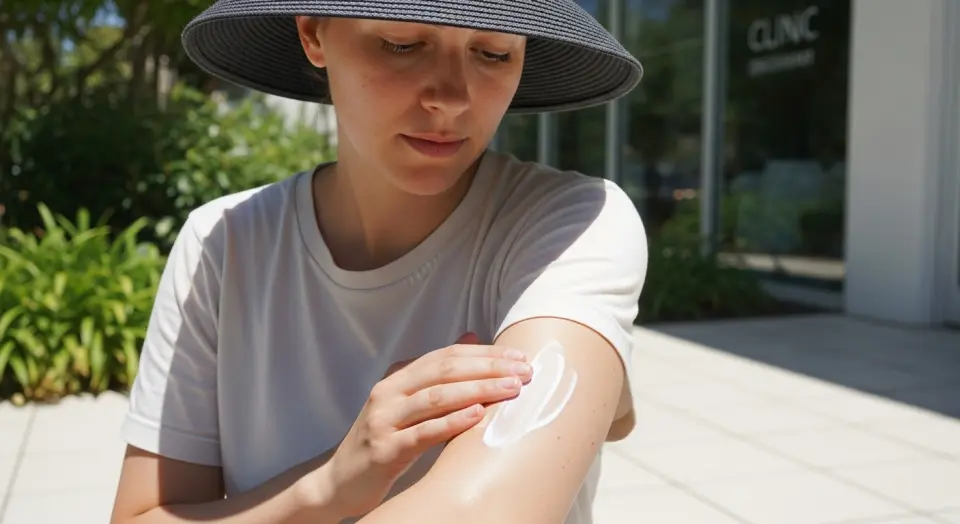
Most people apply far too little sunscreen to achieve the labeled SPF protection. The two-finger rule provides a simple measurement: squeeze sunscreen along two fingers from tip to palm crease for face and neck coverage alone. This amount seems excessive until realizing that studies show typical application achieves only half the expected protection. Fair skin cannot afford this gap between expected and actual coverage.
Reapplication Timing for Outdoor and Water Activities
Sunscreen breaks down under UV exposure and washes away with sweat and water. Reapplication every two hours maintains protection during outdoor activities, with more frequent application after swimming or heavy sweating. Water-resistant formulas last 40 or 80 minutes in water (depending on the labeled resistance), not all day as many assume. Setting phone reminders helps maintain consistent protection during beach days or outdoor events. Doctronic.ai offers health reminders and personalized care tips that can help establish consistent sun protection habits.
Essential Lifestyle Tips for Maximum UV Defense
Sunscreen works best as part of a complete UV defense strategy. Seeking shade during peak sun hours between 10 AM and 4 PM reduces overall exposure significantly. Wide-brimmed hats protect the face, ears, and neck where skin cancer commonly develops. UV-blocking sunglasses prevent eye damage and reduce squinting that causes crow's feet. Lightweight, long-sleeved clothing with UPF ratings provides reliable coverage without sunscreen reapplication concerns.
Vitamin D concerns should not prevent adequate sun protection. Fair skin synthesizes vitamin D efficiently, requiring only a few minutes of incidental sun exposure on small areas like hands and face a few times per week. Supplements offer a safer alternative for those worried about deficiency without the skin damage risks that come with intentional sun exposure.
Frequently Asked Questions
Fair skin should use SPF 30 minimum for daily activities, with SPF 50+ recommended for extended outdoor time. Even on cloudy days, up to 80% of UV rays penetrate cloud cover, making daily sunscreen essential regardless of weather.
No. Any color change in fair skin indicates UV damage occurring at the cellular level. What appears as a "healthy glow" represents the skin's stress response to radiation injury. Fair skin lacks the melanin capacity to tan without sustaining damage.
Sunscreen expires and loses effectiveness over time. Check expiration dates and replace products annually, or sooner if they change color, smell, or consistency. Storing sunscreen in cool, dark places extends its active lifespan.
The difference between SPF 30 and SPF 50 is smaller than numbers suggest: 97% versus 98% UVB blockage. The real advantage of higher SPF comes from maintaining better protection when application is imperfect, which it usually is.
The Bottom Line
Protecting fair skin from sun damage requires choosing the right SPF formula for individual skin type and applying it consistently using proper techniques. For personalized guidance on skincare routines and sun protection strategies tailored to specific health needs, visit Doctronic.ai for AI-powered consultations available 24/7.
Related articles
Get skin care advice
Chat Now