
Is A Stye Contagious? Everything You Need to Know About Stye Transmission

Medically reviewed by Alan Lucks | MD, Alan Lucks MDPC Private Practice - New York on May 15th, 2026.
Published on March 20th, 2026. Updated on July 23rd, 2026.
Key takeaways
Most styes are not directly contagious from person to person
The bacteria causing styes can spread through shared items like towels and makeup
External styes pose higher transmission risk than internal styes
Proper hygiene prevents stye spread and reduces recurrence risk
That painful, red bump on your eyelid has you wondering whether you can spread it to family members or coworkers. Styes are among the most common eye conditions, affecting millions of people annually. While the condition itself isn't highly contagious like a cold or flu, the bacteria responsible can potentially spread under certain circumstances.
Understanding stye transmission helps you take appropriate precautions while managing your condition. The good news is that with proper hygiene practices, you can significantly reduce any risk of spreading the infection to others while promoting faster healing for yourself.
What Is a Stye and What Causes It?
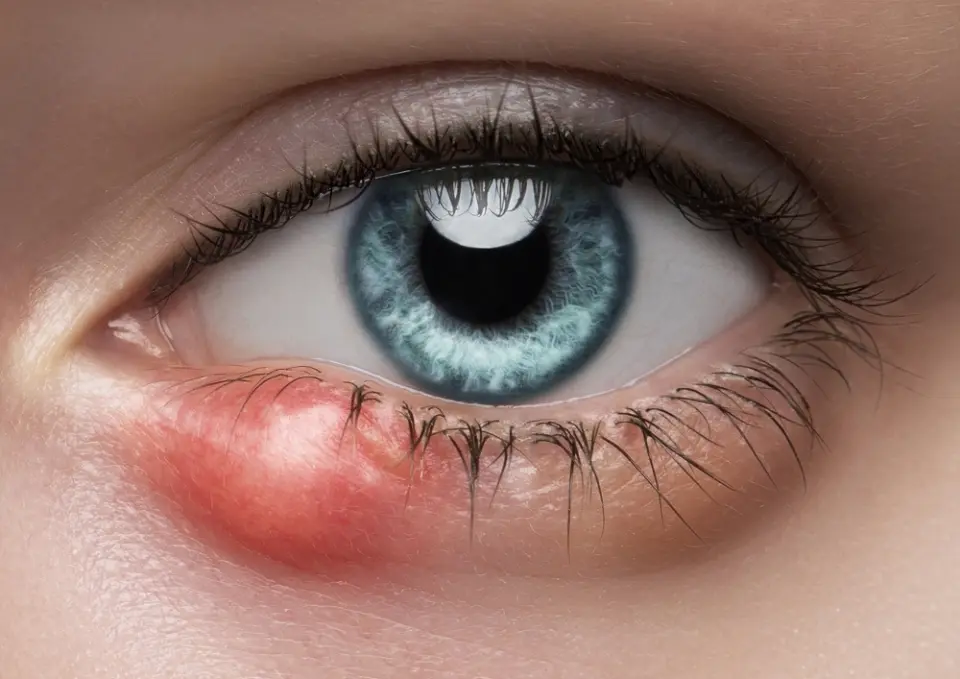
A stye is a bacterial infection that develops when oil glands or hair follicles in your eyelid become blocked and infected. External styes form in eyelash follicles, typically caused by Staphylococcus aureus bacteria, while internal styes develop deeper within the meibomian glands that produce oils for tear film.
The Staphylococcus bacteria naturally live on your skin without causing problems. However, when these bacteria become trapped in blocked pores or oil ducts, they multiply rapidly and trigger an inflammatory response. This process creates the characteristic red, swollen, tender bump that defines a stye.
Several risk factors increase your likelihood of developing styes, including poor eyelid hygiene, frequently touching your eyes with unwashed hands, using expired eye makeup, or having conditions that compromise your immune system. People who experience eye irritation from other causes may also be more susceptible to developing styes.
Understanding these underlying causes helps explain why styes aren't typically contagious in the traditional sense, but why certain precautions remain important for preventing spread.
When Stye Transmission Becomes a Concern
While styes don't spread through casual contact like handshakes or being in the same room, specific scenarios can increase transmission risk. The primary concern involves sharing personal items that come into direct contact with the infected area.
Sharing towels, washcloths, or pillowcases with someone who has an active, draining stye poses the highest risk. The bacterial discharge can contaminate these items, potentially transferring to another person's eye area. Similarly, using contaminated eye makeup, brushes, or contact lenses after they've been in contact with stye discharge creates transmission opportunities.
Direct contact with stye discharge through touching or close facial contact also presents risks. This situation most commonly occurs in households with young children who may not understand hygiene precautions or in intimate relationships where close contact is frequent.
Environments with poor hygiene practices, such as shared dormitories, childcare facilities, or healthcare settings, may also facilitate transmission if proper precautions aren't followed. However, if you're wondering whether you should urgent care for a stye, most cases can be managed at home with proper care.
Get stye treatment online today
A licensed doctor can review your symptoms and send a prescription to your pharmacy, often the same day.
- $39 video visit
- Insurance accepted
- 4.8 on Trustpilot
Related medications we prescribe
- Vibramycin doxycycline
- Keflex cephalexin
- Bactrim trimethoprim-sulfamethoxazole
- Ilotycin erythromycin eye ointment
How Stye Bacteria Spreads Between People
Staphylococcus bacteria transfers primarily through direct contact with infected discharge or contaminated surfaces. The most common transmission pathway occurs when someone touches their stye, gets bacteria on their hands, then touches another person's eye area or items that will contact their eyes.
Hand-to-eye transmission represents the most frequent mechanism for stye spread. When you touch a draining stye and then shake hands, handle shared objects, or touch surfaces that others will contact, you can deposit bacteria that may eventually reach someone else's eye area.
Unlike highly contagious conditions such as cold sores, styes rarely spread through airborne transmission. The bacteria requires direct contact to establish infection, making casual airborne spread extremely unlikely.
The incubation period typically ranges from one to three days after bacterial exposure to symptom onset. This relatively short timeframe means that if transmission occurs, symptoms usually develop quickly, making it easier to identify potential sources of infection.
Prevention Strategies to Stop Stye Transmission
Preventing stye transmission focuses on breaking the bacterial transmission chain through proper hygiene practices. The most critical step involves washing your hands thoroughly before and after touching the eye area or applying treatments. Use warm water and soap for at least 20 seconds.
During an active infection, use separate towels, pillowcases, and washcloths to prevent contaminating items that others might use. Wash these items in hot water and replace them frequently throughout the infection period.
Avoid sharing eye makeup, contact lenses, or eye drops with others permanently, not just during active infections. These items can harbor bacteria even after symptoms resolve, creating ongoing transmission risks.
Replace eye cosmetics that were used before and during the stye infection to prevent recontamination. Mascara, eyeliner, and eye shadow can all harbor bacteria that might cause recurring infections or spread to others who use the same products.
Stye Transmission vs. Other Eye Infections
Understanding how stye contagiousness compares to other eye conditions helps put transmission risks in perspective. This comparison shows why different precautions are needed for various eye infections.
Condition |
Transmission Risk |
Contagion Method |
Duration |
|---|---|---|---|
Stye |
Low to Moderate |
Direct contact with discharge |
1-2 weeks |
Viral Conjunctivitis |
High |
Airborne droplets, surfaces |
1-2 weeks |
Bacterial Conjunctivitis |
Moderate to High |
Direct contact, contaminated items |
Until treated |
Viral conjunctivitis (pink eye) spreads much more easily through airborne droplets and surface contact, making it significantly more contagious than styes. Unlike styes that affect only specific eyelid glands, conjunctivitis affects the entire eye surface, creating more opportunities for transmission.
Bacterial conjunctivitis requires similar precautions to styes but typically involves larger amounts of discharge and affects more of the eye area. Both conditions involve bacterial spread through contaminated hands and shared items.
Chalazions, which are blocked oil glands without active infection, are not contagious since they lack the bacterial component that enables transmission. Many people confuse chalazions with styes, but only actively infected styes pose transmission concerns.
Frequently Asked Questions
Most schools allow children with styes to attend classes since they're not highly contagious. However, teach your child proper hand hygiene and avoid touching the stye. Contact the school nurse to discuss any specific policies and ensure appropriate precautions are taken.
A stye remains potentially contagious as long as it continues draining bacterial discharge. Most styes stop draining within 5-7 days, but transmission risk continues until drainage completely stops and the area heals. Maintain hygiene precautions throughout this period.
Avoid wearing contact lenses during a stye infection to prevent further irritation and potential bacterial contamination of the lenses. Wait until the stye completely heals before resuming contact lens use, and consider replacing lenses that may have been contaminated.
Styes can potentially spread to your other eye if you touch the infected stye and then touch your healthy eye. This self-transmission is more common than spreading to other people. Always wash your hands after touching the affected area.
No, styes are much less contagious than respiratory infections. Unlike conditions where people wonder about long you’re contagious with the flu or whether fevers are contagious to others, styes require direct contact with infected material to spread.
The Bottom Line
Styes are generally not highly contagious, but the bacteria causing them can spread through shared personal items and direct contact with infected discharge. While you don't need to isolate yourself like you might with more contagious conditions such as utis contagious, proper hygiene remains essential. The key to preventing transmission involves washing your hands frequently, avoiding sharing towels or eye makeup, and keeping the infected area clean. Most styes resolve within one to two weeks with proper care and hygiene practices. If your stye becomes severely painful, affects your vision, or doesn't improve after a week of home treatment, professional medical evaluation can help determine if additional treatment is needed. Doctronic's experienced medical team can assess your symptoms and provide personalized treatment recommendations to help you recover quickly and safely.
Ready to take control of your health? Get started with Doctronic today.
Related articles
Get personalized health advice
Chat Now