Diseases and Conditions
Cold Sores: Causes, Symptoms, Treatment, and Prevention | Easy-to-Understand Guide
January 13, 2024
3 min read

Medically reviewed by Alan Lucks | MD, Alan Lucks MDPC Private Practice - New York on December 16th, 2025.
Published on December 15th, 2025. Updated on July 23rd, 2026.
Cold sores are caused by the herpes simplex virus and are highly contagious.
They spread through direct contact, especially when sores are active and blistering.
Understanding transmission helps prevent spreading to others or reinfection.
Effective care includes recognizing symptoms early and seeking medical advice, including telehealth options like Doctronic.ai.
Managing cold sores involves treatment, hygiene practices, and awareness of triggers.
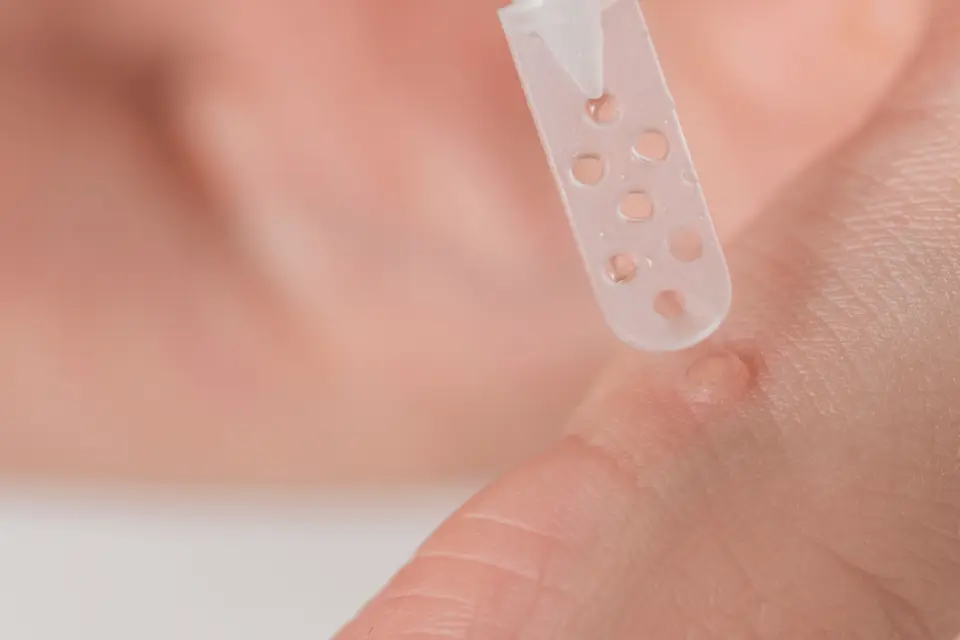
Cold sores, also known as fever blisters, are small, fluid-filled blisters that typically appear on or around the lips. They result from infection with the herpes simplex virus (HSV), most commonly HSV-1. This virus is extremely common worldwide, and once contracted, it remains in the body for life. In fact, studies suggest that a significant percentage of the global population carries the virus, often without even knowing it, as many individuals experience mild or no symptoms at all.
What makes cold sores particularly important to understand is their contagiousness. The virus spreads easily from person to person, especially during an active outbreak when blisters are present. Even when sores are not visible, the virus can sometimes be transmitted through asymptomatic shedding. This means that individuals who are unaware they have the virus can unknowingly spread it to others, highlighting the importance of awareness and education about cold sore management.
The primary way cold sores spread is through direct skin-to-skin contact. This includes kissing or sharing items that touch the mouth, such as utensils, lip balm, or towels. The virus enters the body through tiny breaks in the skin or mucous membranes. It’s also worth noting that the virus can survive on surfaces for a short period, which means that sharing personal items can pose a risk even if the infected person does not appear to have an outbreak at the time.
It is important to note that cold sores are most contagious during the blistering phase, when the sores are open and leaking fluid. However, the virus can also spread shortly before sores appear and until they are fully healed. This pre-symptomatic phase can be particularly tricky, as individuals may not realize they are contagious and may inadvertently spread the virus to others.
After the initial infection, HSV lies dormant in nerve cells and can reactivate later, causing new cold sores. Reactivations can be triggered by stress, illness, sun exposure, fatigue, or hormonal changes. During these flare-ups, the virus becomes contagious again. Interestingly, some individuals may notice a prodromal phase before the sores appear, characterized by tingling, itching, or burning sensations around the lips. Recognizing these early signs can be crucial for taking preventive measures, such as avoiding close contact with others or starting antiviral medications if prescribed.
Understanding this cycle helps in managing risks and preventing transmission to others, especially in close-contact situations. Practicing good hygiene, such as frequent handwashing and avoiding touching the face, can significantly reduce the likelihood of spreading the virus. For those who experience frequent outbreaks, discussing preventive treatment options with a healthcare provider can be beneficial in managing symptoms and reducing the risk of transmission to others.
Recognizing cold sore symptoms early can reduce the risk of spreading the virus. Initial signs often include tingling, itching, or burning sensations around the lips before blisters form. These blisters then break open, crust over, and heal within 7 to 10 days.
Tingling or itching around the mouth
Small, painful blisters filled with clear fluid
Redness and swelling near the affected area
Occasional fever or swollen lymph nodes during the first outbreak
 When to Consult a Doctor
Most cold sores heal on their own, but medical advice is recommended if sores are unusually large, painful, or persistent. People with weakened immune systems, young children, or those experiencing frequent outbreaks should also seek professional care.
Telehealth services like Doctronic.ai provide convenient access to medical professionals who can offer diagnoses, treatment recommendations, and second opinions without leaving home. Doctronic’s AI-powered system synthesizes the latest medical research to deliver fast, personalized guidance 24/7.
Preventing transmission of cold sores involves practical hygiene and lifestyle habits. Since the virus is contagious mainly during outbreaks, avoiding contact with sores is crucial.
Avoid kissing or close contact with others when you have an active sore
Do not share utensils, lip balm, towels, or razors
Wash your hands thoroughly after touching a cold sore
Use sunscreen on lips to reduce sun-triggered outbreaks
Manage stress and maintain a healthy immune system
Cold sores can spread within households, especially among children. It is important to keep personal items separate and clean surfaces regularly to minimize risk.
While there is no cure for the herpes simplex virus, treatments can reduce the severity and duration of cold sores. Early intervention is key to effective management.
Topical antiviral creams are applied at the first sign of symptoms
Oral antiviral medications are prescribed by a doctor for severe or frequent outbreaks
Pain relievers and soothing ointments to ease discomfort
Accessing care through telehealth platforms like Doctronic.ai allows quick evaluation and prescription of antiviral treatments when appropriate. This convenience is especially valuable for those needing care outside regular office hours or in remote locations.
Cold sores can be frustrating, but with the right approach, their impact can be minimized. Understanding triggers and maintaining good habits helps reduce outbreaks and transmission risks.
Common triggers include stress, fatigue, illness, sun exposure, trauma, and hormonal changes. Keeping a journal to track outbreaks can help identify personal triggers.
Get adequate rest and manage stress
Eat a balanced diet rich in vitamins and minerals
Protect lips with sunscreen or lip balm containing SPF
Practice good hygiene consistently
Cold sores are contagious and can spread easily through close contact, especially during active outbreaks. Knowing how the virus transmits and recognizing symptoms early are essential steps to protect yourself and others.
Effective prevention involves good hygiene, avoiding sharing personal items, and managing triggers. When treatment is needed, telehealth platforms like Doctronic.ai provide quick access to expert care and the latest medical guidance.
By staying informed and proactive, cold sores can be managed with minimal disruption to daily life.
Yes, the herpes simplex virus can be transmitted through asymptomatic shedding, meaning the virus can spread even when sores are not visible. However, the risk is highest during active outbreaks.
No, cold sores are caused by the herpes simplex virus and appear on the lips or around the mouth. Canker sores are non-contagious ulcers that occur inside the mouth and have different causes.
Cold sores are contagious from the moment symptoms start until the sores have completely healed and new skin has formed, usually about 7 to 10 days.
While you cannot completely prevent recurrences, managing triggers and using antiviral medications as prescribed can reduce frequency and severity.
Yes, telehealth services like Doctronic.ai offer fast, reliable access to medical advice and treatment options for cold sores, making it easier to get care when you need it.
Get care for your infection
Chat Now
Join 50,000+ readers using Doctronic to understand symptoms, medications,
and next steps.
Add your phone number below to get health updates and exclusive VIP offers.
By providing your phone number, you agree to receive SMS updates from Company. Message and data rates may apply. Reply “STOP” to opt-out anytime. Read our Privacy Policy and Terms of Service for more details.
Save your consults. Talk with licensed doctors and manage your health history.