
Respiratory Health
Types of Asthma Inhalers and How to Choose the Best One for You
December 15, 2025
6 min read

Medically reviewed by Alan Lucks | MD, Alan Lucks MDPC Private Practice - New York on May 11th, 2026.
Published on March 19th, 2026. Updated on July 23rd, 2026.
HFA inhalers require coordination between pressing and breathing, making them challenging for some patients
DPI inhalers are breath-activated and don't require propellants, but need strong inspiratory flow
Nebulizers deliver medication as a fine mist over 5-15 minutes, ideal for severe symptoms or young children
Medication availability varies between inhaler types, with some drugs only available in specific devices
Questions about inhaler types?
Free. Anonymous. Built by doctors.
This article covers general information. Ask Doctronic about your symptoms, medications, side effects, or treatment options.
Understanding the three main types of inhalers—HFA, DPI, and nebulizers—is crucial for effective respiratory medication delivery and symptom management. Whether you're newly diagnosed with asthma, managing COPD, or helping a child with breathing difficulties, choosing the right inhaler can make the difference between controlled symptoms and frequent flare-ups.
Each inhaler type has unique advantages and challenges. The key is matching your specific needs, abilities, and lifestyle to the device that will deliver your medication most effectively. With proper education and practice, any of these three options can provide excellent symptom control when used correctly. Doctronic's AI-powered consultations can help you understand which inhaler type might work best for your specific respiratory condition.
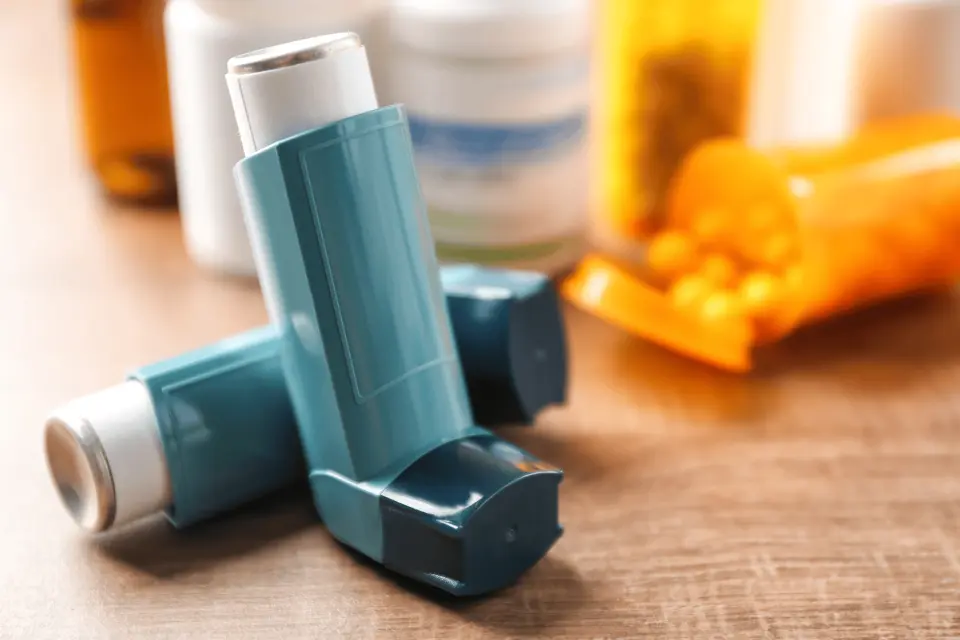
The three main inhaler categories each use distinct mechanisms to deliver respiratory medications to your lungs. HFA (Hydrofluoroalkane) inhalers are pressurized devices that use a propellant to create a spray of medication when you press down on the canister. These are the traditional "puffer" inhalers most people recognize, containing pre-measured doses that release when activated.
DPI (Dry Powder Inhalers) contain medication in powder form that's dispersed when you inhale forcefully through the device. Unlike HFA inhalers, DPIs don't require propellants or coordinated timing between pressing and breathing. Instead, your own inspiratory force activates the medication release and carries the powder particles into your airways.
Nebulizers convert liquid medication into a breathable mist using either compressed air or ultrasonic waves. This creates extremely fine particles that you inhale through a mask or mouthpiece over several minutes. The process is similar to whole medical systems that take a holistic approach to treatment, as nebulizers deliver medication continuously rather than in single doses.
The choice between inhaler types depends largely on your physical abilities, age, and symptom severity. HFA inhalers work best for patients who can coordinate the hand-breath timing required for proper use. They're ideal for quick-relief medications during mild to moderate symptoms and are portable enough for emergency situations.
DPI inhalers suit patients with arthritis or coordination difficulties who struggle with the timing required for HFA devices. However, they require adequate inspiratory strength to generate the airflow needed to disperse the powder. This makes them less suitable for patients experiencing severe breathing difficulties or young children who can't produce strong enough inhalation.
Nebulizers are preferred for severe asthma attacks when patients may struggle to use handheld devices effectively. They're also the standard choice for children under 4 years old and elderly patients who have difficulty with coordination or inspiratory strength. Emergency situations often require nebulizers because they can deliver medication even when breathing is severely compromised.
Some patients need different inhaler types for different situations. For instance, someone might use a fluticasone inhaled dosage via DPI for daily maintenance therapy but switch to an HFA inhaler for quick rescue medication.
Get asthma treatment online today
A licensed doctor can review your symptoms and send a prescription to your pharmacy, often the same day.
Related medications we prescribe
HFA inhalers create a pressurized spray that requires specific timing and breathing technique. You must coordinate pressing the canister with a slow, deep inhalation lasting 4-6 seconds, followed by holding your breath for 10 seconds. The propellant helps break medication into particles small enough to reach deep into your airways, but improper timing can result in medication hitting the back of your throat instead of your lungs.
DPI inhalers rely on rapid, forceful inhalation to disperse powder particles from the device. You need to generate an inspiratory flow rate of at least 60 liters per minute to effectively activate most DPI devices. The medication is pre-loaded in capsules or blisters, and your breath force breaks apart the powder aggregates into respirable particles that travel to your lungs.
Nebulizers produce consistent particle sizes between 1-5 microns over extended treatment periods, regardless of your breathing pattern. The device does all the work of creating appropriately sized particles, so you simply breathe normally through the mask or mouthpiece. This makes nebulizers particularly effective for patients who are having difficulty breathing or cannot coordinate their breathing with device activation.
Lung deposition rates vary between devices, with HFA and DPI inhalers typically achieving 10-20% lung deposition, while nebulizers reach 8-12% due to different particle dynamics and delivery mechanisms.
HFA inhalers offer excellent portability and quick administration, making them ideal for emergency situations and daily carrying. They provide precise dosing and work well with spacer devices to improve medication delivery. However, they require perfect coordination between hand activation and breathing, and the propellant can cause throat irritation in some patients. Cold weather can affect propellant performance, and some patients struggle with the timing required for effective use.
DPI inhalers eliminate the coordination challenges associated with HFA devices since they're breath-activated. They don't require propellants, making them more environmentally friendly, and they're often easier for patients with arthritis to operate. However, they fail in high humidity conditions where powder can clump, require adequate inspiratory strength that some patients cannot generate, and may not work effectively during severe breathing difficulties.
Nebulizers ensure consistent medication delivery regardless of breathing ability or coordination skills. They're excellent for delivering large medication doses and work well for patients of any age. The main disadvantages include longer treatment times (5-15 minutes), need for electricity or battery power, regular cleaning requirements, and lack of portability compared to handheld inhalers. Some patients also find the process time-consuming, which can affect compliance, especially when trying to get out of bed for early morning treatments.
Feature |
HFA Inhalers |
DPI Inhalers |
Nebulizers |
|---|---|---|---|
Ease of Use |
Moderate (requires coordination) |
Easy (breath-activated) |
Very Easy (normal breathing) |
Portability |
Excellent |
Excellent |
Poor (requires power) |
Treatment Time |
30 seconds |
30 seconds |
5-15 minutes |
Age Suitability |
6+ years with spacer |
6+ years with adequate flow |
All ages |
Medication Options |
Wide variety |
Limited but growing |
Most comprehensive |
Humidity Sensitivity |
Low |
High |
None |
Maintenance Required |
Minimal |
Minimal |
Regular cleaning needed |
Cost |
Moderate |
Moderate to High |
High initial, low ongoing |
The choice between inhaler types often comes down to balancing effectiveness with practical considerations. Treatment time is a major factor for busy patients, with traditional inhalers taking seconds compared to nebulizers requiring dedicated treatment periods. Medication availability can be limiting, as some newer biologics are only available in DPI format, while certain rescue medications work best in HFA form.
Insurance coverage varies between devices, and understanding what telehealth services are covered by medicare can help you access virtual consultations about inhaler selection and technique training. The cost considerations extend beyond device price to include medication waste, replacement frequency, and accessory needs like spacers or compressors.
Nebulizers aren't necessarily more effective than properly used inhalers for routine asthma management. However, they excel during severe attacks when coordination is impaired and ensure consistent medication delivery regardless of breathing ability. For daily maintenance therapy, HFA or DPI inhalers are often more convenient and equally effective.
Children over 6 years old can typically use DPI inhalers if they can generate adequate inspiratory flow (usually 60+ L/min). However, younger children or those with severe breathing difficulties may not create enough airflow to activate the device properly, making HFA inhalers with spacers or nebulizers more appropriate choices.
Costs vary significantly by insurance plan and medication brand. HFA inhalers typically cost $30-100 per month, DPI inhalers range from $50-300, and nebulizer solutions cost $20-150 monthly. Initial nebulizer machine costs range from $50-200, but many insurance plans cover rental or purchase of durable medical equipment.
Common errors include breathing too fast with HFA inhalers, not breathing forcefully enough with DPIs, forgetting to shake HFA devices, exhaling into the device before use, and not holding breath after inhalation. Poor inhaler technique can reduce lung medication delivery by 50% or more.
Consider switching if you're having difficulty with proper technique, experiencing inadequate symptom control, dealing with frequent throat irritation, or if your physical abilities change due to arthritis or other conditions. Your doctor should evaluate inhaler technique before changing medications, as technique problems often cause apparent medication failure.
Choosing between HFA, DPI, and nebulizer inhalers depends on your coordination ability, age, symptom severity, and lifestyle needs. Each type can deliver effective medication when used properly, but success requires matching the device to your individual capabilities and circumstances. HFA inhalers offer portability and quick relief but require good coordination. DPI inhalers eliminate timing issues but need adequate inspiratory strength. Nebulizers provide consistent delivery regardless of breathing ability but require more time and equipment. The key is working with your healthcare provider to find the device that you can use correctly and consistently. Proper technique training is essential regardless of which type you choose, as even the best inhaler won't work effectively if used incorrectly.
Ready to take control of your health? Get started with Doctronic today.
Compare your treatment options
Chat Now