
Dermatology
Best Sunscreen for Hyperpigmentation: SPF That Prevents Dark Spots
April 17, 2026
5 min read

Medically reviewed by Alan Lucks | MD, Alan Lucks MDPC Private Practice - New York on May 23rd, 2026.
Published on April 15th, 2026. Updated on July 24th, 2026.
UV exposure directly triggers melanin overproduction, making sunscreen essential for anyone treating dark spots or hyperpigmentation.
Studies show a 70% to 90% improvement rate in preventing post-inflammatory hyperpigmentation with consistent daily sunscreen use over two months.
Skincare actives like retinoids, AHAs, and vitamin C increase sun sensitivity, requiring mandatory SPF protection during treatment.
Tinted sunscreens with iron oxides block visible light, which standard sunscreens partially miss.
Skipping sunscreen during hyperpigmentation treatment can lead to persistent discoloration and wasted money on products that cannot work without sun protection.
Doctronic.ai offers AI-powered consultations to help explain how sun damage affects individual skin concerns and recommend appropriate protection strategies.
Dark spots do not appear randomly. They form when skin cells overproduce melanin in response to triggers like inflammation, hormonal changes, or sun damage. The frustrating reality is that sun exposure worsens all types of hyperpigmentation, regardless of their original cause. That acne scar from three months ago? UV rays will darken it. The melasma patches that appeared during pregnancy? Sunlight makes them spread. Understanding why SPF is non-negotiable for hyperpigmentation requires looking at how UV rays interact with melanocytes, the cells responsible for skin color. Without consistent sun protection, even the most expensive serums and treatments become useless. Doctronic.ai offers AI-powered consultations that can help explain how sun damage affects individual skin concerns and recommend appropriate protection strategies.
Melanocytes sit in the deepest layer of the epidermis. When UV rays penetrate the skin, these cells respond defensively by producing more melanin. This pigment absorbs UV radiation to protect DNA from damage. The problem occurs when melanocytes become overactive or damaged. They start producing melanin unevenly, creating concentrated deposits that appear as dark patches or spots. This process happens faster and more intensely in areas where hyperpigmentation already exists. Sun exposure essentially tells damaged melanocytes to keep producing excess pigment, making existing dark spots darker and more resistant to treatment.
Post-inflammatory hyperpigmentation (PIH) develops after skin trauma like acne, cuts, burns, or aggressive cosmetic procedures. The inflammation triggers melanin production as part of the healing response. Sunspots, also called solar lentigines, form directly from cumulative UV exposure over the years. Both conditions share one critical characteristic: UV rays make them worse. PIH that might fade naturally within months can become long-lasting with unprotected sun exposure. Sunspots multiply and darken with continued UV damage. A survey of patients with melasma found that only 35% used sunscreen, which may explain why so many struggle with treatment-resistant pigmentation.
Retinoids accelerate cell turnover, pushing fresh skin cells to the surface faster than normal. This new skin lacks the protective barrier of mature cells, making it extremely vulnerable to UV damage. AHAs like glycolic acid and lactic acid work similarly by dissolving the bonds between dead skin cells. The result is smoother, brighter skin that burns more easily. Using these ingredients without daily SPF is like removing armor before battle. The skin becomes more susceptible to the very damage these products aim to correct. Doctronic.ai can provide personalized guidance on safely combining active ingredients with appropriate sun protection protocols.
Vitamin C serums, niacinamide, arbutin, and other dark spot correctors work by interrupting melanin production pathways. These ingredients need time to work, typically eight to twelve weeks of consistent use. Sun exposure during this period counteracts their effects by reducing overall efficacy rather than negating it entirely. UV rays stimulate melanin production faster than these ingredients can suppress it. Spending money on premium brightening products while skipping sunscreen is essentially throwing that investment away. The products cannot outpace the damage caused by unprotected UV exposure.
Mineral sunscreens use zinc oxide and titanium dioxide to physically block UV rays. They sit on top of the skin and reflect radiation away. Chemical sunscreens absorb UV rays and convert them to heat. For sensitive or reactive skin prone to PIH, mineral formulas often work better because they cause less irritation. Chemical filters can trigger inflammation in some people, potentially creating new hyperpigmentation. The trade-off is that mineral sunscreens can leave a white cast, particularly on deeper skin tones. Modern formulations have improved significantly, with micronized minerals that blend more smoothly.
Standard sunscreens protect against UVA and UVB rays but do not fully block visible light. Research shows that visible light, particularly blue light from the sun and screens, can trigger melanin production in darker skin tones. Tinted sunscreens containing iron oxides are particularly beneficial for those with hyperpigmentation and melasma because they block visible light in addition to UV rays. Iron oxides provide this additional protection while also offering cosmetic coverage. For anyone with melasma or medium to deep skin tones, tinted SPF is not optional: it is essential for complete protection.
UVB rays cause sunburn. UVA rays penetrate deeper into the skin and cause long-term damage, including hyperpigmentation. Many people make the mistake of choosing sunscreens based solely on SPF number, which only measures UVB protection. Broad-spectrum formulas protect against both types of rays. For hyperpigmentation concerns, UVA protection matters most because these rays directly reach melanocytes. Look for products labeled "broad-spectrum" with SPF 30 or higher. PA ratings, common in Asian sunscreens, specifically measure UVA protection: PA+++ or PA++++ indicates strong UVA defense.
Temporary hyperpigmentation can become persistent with continued UV exposure. Melanocytes that produce excess pigment can become chronically overactive, creating spots that respond slowly to topical treatments. Melasma is particularly stubborn because it involves deeper pigment deposits and hormonal triggers. Without consistent sun protection, melasma can spread and darken even during active treatment. For those managing long-term melasma, our guide on the best sunscreen for melasma covers which formulas offer the most complete UV and visible-light defense. Some cases become so resistant that only aggressive procedures, such as lasers, can help, and even those carry the risk of rebound hyperpigmentation.
Professional treatments for hyperpigmentation cost hundreds to thousands of dollars. Chemical peels, laser therapy, and prescription medications add up quickly. A single tube of quality sunscreen costs a fraction of one professional treatment session. Skipping daily SPF essentially guarantees the need for more expensive interventions later. The math is simple: consistent sunscreen use prevents damage that would otherwise require costly correction. Doctronic.ai offers affordable telehealth consultations to discuss treatment options and prevention strategies.
One morning application does not provide all-day protection. Sunscreen breaks down with UV exposure, sweat, and friction from touching the face. Reapplication every two hours maintains effective protection. For office workers, reapplication at lunch and mid-afternoon covers most exposure. Setting phone reminders helps build this habit. Powder sunscreens and SPF setting sprays make reapplication over makeup practical.
Clouds block some UVB rays but allow up to 80% of UVA rays to pass through. Glass windows filter most UVB and some UVA, depending on the type. This means driving, sitting near windows, and overcast days still expose skin to pigmentation-triggering radiation. Year-round daily SPF use is non-negotiable for anyone serious about treating hyperpigmentation. Winter sun reflects off snow, and high altitudes increase UV intensity. No season or weather condition eliminates the need for protection.
SPF prevents further darkening but does not actively fade existing spots. Combining sunscreen with brightening ingredients like vitamin C, niacinamide, or prescription treatments addresses both prevention and correction.
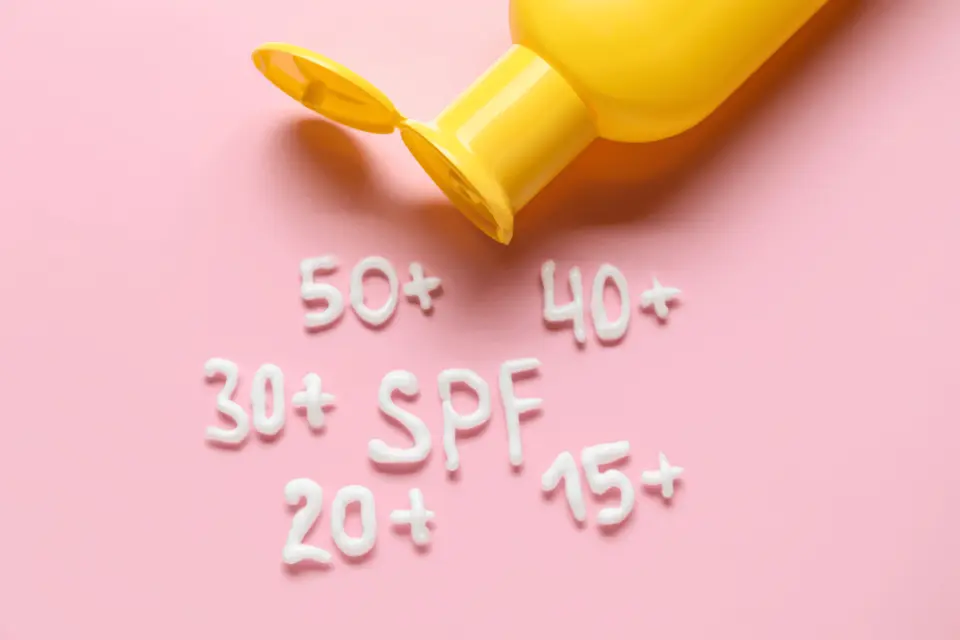
SPF 30 blocks approximately 97% of UVB rays, while SPF 50 blocks around 98%. The difference matters less than consistent application and broad-spectrum protection. Choose SPF 30 or higher with strong UVA coverage.
Makeup with SPF provides minimal protection because people rarely apply enough to achieve the labeled protection level. Use dedicated sunscreen underneath makeup for reliable coverage.
Consistent sunscreen use prevents new darkening immediately. Existing spots may begin fading within six to twelve weeks when combined with brightening treatments and strict sun avoidance.
Sun protection is the foundation of any hyperpigmentation treatment plan. Without daily SPF, all other skincare efforts become ineffective against ongoing UV damage. For personalized guidance on treating dark spots and protecting skin, visit Doctronic.ai for AI-powered medical consultations and affordable telehealth visits with licensed doctors.
Get skin care advice
Chat Now
Join 50,000+ readers using Doctronic to understand symptoms, medications,
and next steps.
Add your phone number below to get health updates and exclusive VIP offers.
By providing your phone number, you agree to receive SMS updates from Company. Message and data rates may apply. Reply “STOP” to opt-out anytime. Read our Privacy Policy and Terms of Service for more details.
Save your consults. Talk with licensed doctors and manage your health history.