
When Should You Worry About a Rash? A Dermatologist's Guide

Medically reviewed by Alan Lucks | MD, Alan Lucks MDPC Private Practice - New York on May 24th, 2026.
Published on April 17th, 2026. Updated on July 23rd, 2026.
Key takeaways
Rashes accompanied by fever, rapid spreading, or breathing difficulty require immediate medical attention.
Flat spots that don't whiten when pressed (non-blanching) signal a potentially serious condition, especially in children.
Location and pattern of a rash provide important diagnostic clues for dermatologists.
Most mild rashes respond to over-the-counter treatments within a few days.
Documenting rash changes with photos helps doctors track progression and make accurate diagnoses.
Doctronic.ai offers free AI doctor consultations to help evaluate skin concerns before scheduling appointments.
Questions about rashes?
Free. Anonymous. Built by doctors.
Talk to our AI doctor for a clear, personalized read on your situation.
Understanding When to Worry About a Rash
A rash appears, and the questions start. Is this serious? Should you call a doctor? Most skin eruptions resolve on their own within days, but certain warning signs demand immediate attention. The difference between a minor irritation and a medical emergency often comes down to specific characteristics that trained dermatologists recognize instantly.
This guide walks through exactly what to look for, when to seek care, and how to evaluate skin changes at home. Knowing the red flags can prevent unnecessary panic over harmless conditions while ensuring dangerous situations receive prompt treatment. As of 2026, skin issues remain among the most frequently evaluated categories on Doctronic.ai, with users asking questions ranging from minor irritation to potential infections.
Understanding Common Rash Triggers and Characteristics
Contact Dermatitis and Allergens
Contact dermatitis accounts for a significant portion of rashes seen in dermatology offices. This reaction occurs when the skin comes into contact with an irritant or allergen, producing redness, itching, and sometimes blistering. Common culprits include nickel in jewelry, poison ivy, latex, fragrances, and certain preservatives in skincare products. The rash typically appears only where contact occurred, creating a telltale pattern that matches the shape of the offending item. For help distinguishing whether a rash is due to an allergy or another cause, our guide to allergic reaction rashes outlines the key differences.
Viral and Bacterial Skin Infections
Viral infections like shingles, chickenpox, and measles produce distinctive rash patterns. Shingles creates a painful, blistering rash along a single nerve pathway, usually wrapping around one side of the torso. Bacterial infections such as impetigo or cellulitis cause redness, warmth, and sometimes honey-colored crusting. These infections spread without treatment and may require antibiotics.
Chronic Conditions: Eczema vs. Psoriasis
Eczema and psoriasis both cause persistent skin changes but differ in appearance and treatment. Eczema produces itchy, dry patches that often appear in elbow creases and behind knees. Psoriasis creates thick, silvery scales typically found on elbows, knees, and scalp. Both conditions flare and remit over time, requiring long-term management strategies.
Red Flags: When a Rash Requires Urgent Medical Care
Systemic Symptoms: Fever and Body Aches
A rash combined with fever signals that the body is fighting something significant. This combination may indicate viral infections, bacterial sepsis, or autoimmune conditions requiring immediate evaluation. Watch for new symptoms and any changes in the rash's size, pain level, or color, along with a fever.
Rapid Spread and Blistering
Rashes that spread visibly within hours demand urgent attention. Conditions like Stevens-Johnson syndrome begin with flu-like symptoms before rapidly progressing to widespread blistering. Any rash that doubles in size within 24 hours or develops fluid-filled blisters warrants emergency care.
Signs of Anaphylaxis and Breathing Difficulty
Hives combined with throat tightness, difficulty breathing, or dizziness indicate anaphylaxis, a life-threatening allergic reaction. This requires immediate epinephrine and emergency room treatment. Do not wait to see if symptoms improve on their own.
Painful vs. Itchy Eruptions
Most common rashes itch rather than hurt. Painful rashes, especially those with burning or stinging sensations, may indicate conditions such as shingles, cellulitis, or other infections. Signs that a rash needs medical attention include pus, yellow or golden crusts, pain, swelling, warmth, or an unpleasant smell.
The Role of Location and Pattern in Diagnosis
Symmetrical vs. Asymmetrical Distribution
Symmetrical rashes on both sides of the body often indicate systemic causes such as viral infections, drug reactions, or autoimmune conditions. Asymmetrical rashes typically suggest local causes: contact dermatitis, insect bites, or localized infections. This distinction helps dermatologists narrow diagnostic possibilities quickly.
Target Lesions and Circular Patterns
Target lesions, rings with a darker center surrounded by lighter rings, characterize erythema multiforme and sometimes Lyme disease. Ringworm (tinea corporis) causes expanding circular patches with raised, scaly borders and clearer centers. These distinctive patterns provide immediate diagnostic clues that guide treatment decisions.
Get rash treatment online today
A licensed doctor can review your symptoms and send a prescription to your pharmacy, often the same day.
- $39 video visit
- Insurance accepted
- 4.8 on Trustpilot
Related medications we prescribe
Learn moreAt-Home Evaluation and Initial Management
The Blanching Test for Purpura
Press a clear glass against the rash and observe whether the redness fades (blanches) under pressure. Rashes that blanch indicate dilated blood vessels, typical of most allergic reactions and inflammatory conditions. Non-blanching rashes, in which color persists despite pressure, suggest bleeding under the skin. Urgent medical attention is needed, especially for children, if a rash has flat spots that don't whiten when pressed. This finding may indicate meningococcal infection or another serious bloodstream condition.
Safe Over-the-Counter Remedies
Hydrocortisone cream (1%) reduces inflammation and itching in mild cases of contact dermatitis and insect bites. Antihistamines like diphenhydramine or cetirizine help control allergic reactions and hives. Cool compresses soothe irritated skin without medication. If the rash persists beyond 7 days, worsens, or is accompanied by systemic symptoms, it should be evaluated by a healthcare provider.
What to Expect During Your Dermatology Appointment
Skin Biopsies and Allergy Testing
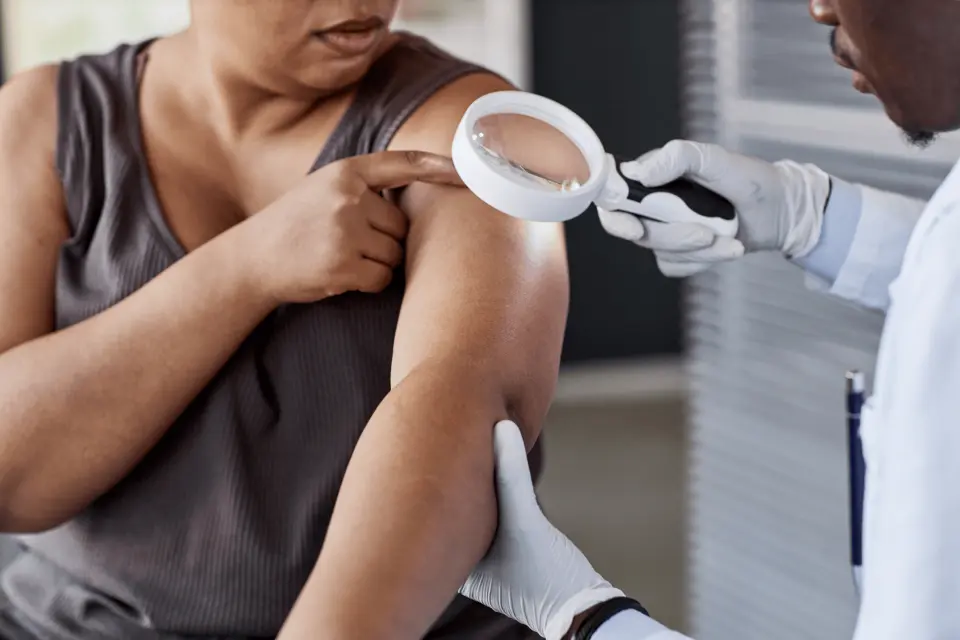
Dermatologists may perform a punch biopsy, removing a small skin sample for microscopic examination, when the diagnosis remains unclear. Patch testing identifies specific allergens causing contact dermatitis by applying potential triggers to the skin under controlled conditions. Blood tests may rule out autoimmune conditions or infections. For a broader overview of when to seek care, this guide to rash evaluation covers warning signs and when self-treatment falls short.
Documenting Changes with Photography
Take clear, well-lit photos of your rash daily to track changes. Include a ruler or coin for size reference. Note the time each photo was taken and any new symptoms. This visual timeline proves invaluable during appointments, showing progression that may not be evident during a single examination. Doctronic.ai allows users to describe symptoms in detail and receive guidance on whether professional evaluation is warranted.
Long-Term Skin Health and Prevention Strategies
Preventing rash recurrence requires identifying and avoiding triggers. Keep a symptom diary noting foods, products, activities, and environmental factors present when rashes appear. Moisturize daily with fragrance-free products to maintain skin barrier function. Choose hypoallergenic laundry detergents and avoid fabric softeners if you have sensitive skin. Wear protective clothing when working with known irritants. For chronic conditions like eczema or psoriasis, consistent treatment between flares reduces the severity and frequency of outbreaks.
Frequently Asked Questions
Mild rashes without fever or spreading can be monitored for up to 7 days with over-the-counter treatment. If symptoms worsen, spread rapidly, or don't improve within this timeframe, schedule a medical evaluation.
Stress triggers or worsens many skin conditions, including eczema, psoriasis, and hives. Stress hormones increase inflammation and can compromise the skin barrier, making outbreaks more likely during periods of high stress.
Some rashes spread between people, including ringworm, impetigo, chickenpox, and scabies. Contact dermatitis, eczema, psoriasis, and drug reactions are not contagious.
Seek emergency care for rashes accompanied by difficulty breathing, facial swelling, high fever, rapid spread, severe pain, or signs of infection such as pus and warmth.
Adults can develop allergies to substances they previously tolerated. New allergies commonly emerge to medications, foods, and environmental triggers at any age.
The Bottom Line
Understanding rash warning signs helps people make better health decisions. Most rashes resolve without intervention, but recognizing red flags like non-blanching spots, fever, or rapid spreading can be lifesaving. For quick guidance on whether your skin concern needs professional attention, visit Doctronic.ai for a free AI consultation available 24/7.
Related articles
Get skin care advice
Chat Now