

Skincare
Poison Oak Rash: How It Differs from Poison Ivy and How to Treat It
April 17, 2026
6 min read

Medically reviewed by Alan Lucks | MD, Alan Lucks MDPC Private Practice - New York on May 24th, 2026.
Published on April 17th, 2026. Updated on July 23rd, 2026.
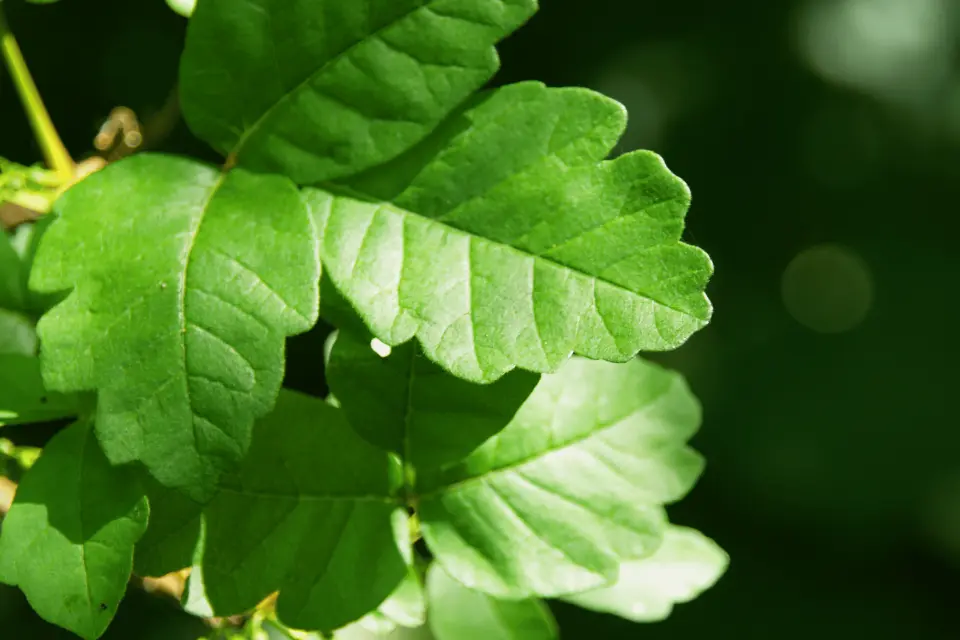
Poison oak leaves grow in clusters of three with lobed, oak-like edges and a glossy surface that may appear reddish in spring and bright red in fall
The plant changes dramatically throughout seasons, from green shrubs in summer to bare sticks in winter, but remains dangerous year-round
Urushiol oil causes allergic reactions and can remain potent on surfaces for up to several years, making even dead plants hazardous
Poison oak is commonly found in California, especially west of the Sierras and below 6,000 feet elevation
Several plants look similar to poison oak, including western raspberry, blackberry vines, and box elder saplings
For treatment guidance after exposure, visit Doctronic.ai for free AI doctor visits and telehealth consultations
Questions about poison oak?
Free. Anonymous. Built by doctors.
This article covers general information. Ask Doctronic about your symptoms, medications, side effects, or treatment options.
A single brush against poison oak can lead to weeks of itchy, blistering misery. The plant's oily resin, called urushiol, triggers allergic reactions in roughly 70 to 85% of people who touch it. Knowing what poison oak looks like before making contact is the best defense against this common outdoor hazard. The old saying "leaves of three, let it be" serves as a helpful starting point, but accurate identification requires understanding the plant's full range of appearances. This guide breaks down exactly how to recognize poison oak in all seasons, distinguish it from similar-looking plants, and know what steps to take if you encounter it. For anyone who spends time outdoors in the western United States, this knowledge is essential.
Poison oak leaves always grow in groups of three leaflets attached to a single stem. The middle leaflet typically has a longer stalk than the two side leaflets. Each leaflet ranges from one to four inches long. This three-leaf pattern remains consistent whether the plant grows as a low shrub or a climbing vine, making it the most reliable identification feature across all growth forms.
The leaflets have rounded, wavy edges that resemble oak tree leaves. These lobed edges give poison oak its name. The lobes are smooth and rounded rather than pointed or serrated. Some leaflets have deeper lobes than others, but the overall rounded, wavy pattern stays consistent. This oak-like shape helps distinguish poison oak from poison ivy, which has smoother or slightly toothed edges.
Poison oak leaves have a distinctive glossy or waxy surface, especially when young. New leaves often look shiny and may feel slightly oily to the touch. This sheen comes from the urushiol oil that covers the plant's surfaces. Older leaves may appear duller but still maintain some surface gloss. The leaves can also have fine hairs on their undersides.
New poison oak leaves emerge in spring with a reddish or bronze tint before turning bright green. During summer, leaves become a deeper green with possible bronze or reddish highlights along the edges. The plant produces the most urushiol during spring and summer months when actively growing. This makes warm-weather encounters particularly likely to cause severe reactions.
Fall transforms poison oak into one of the most colorful plants along any trail. Leaves turn brilliant shades of red, orange, and yellow. Many hikers mistake the attractive fall foliage for harmless decorative plants. This seasonal beauty makes poison oak especially dangerous in autumn because people may be tempted to touch or pick the colorful leaves.
Poison oak grows in two main forms depending on its environment. In sunny areas, it typically appears as a dense shrub standing two to six feet tall. In shaded areas or near trees, poison oak becomes a climbing vine that can reach up to 30 feet or more. The vine form develops aerial rootlets that attach to tree bark. Both forms produce the same three-leaflet pattern and pose equal risk of causing reactions.
Poison oak produces small clusters of greenish-white or yellowish flowers in spring. The flowers grow in branching clusters along the stems. Each individual flower measures only a few millimeters across. These blooms are easy to overlook but help confirm plant identification when present alongside the characteristic leaves.
After flowering, poison oak develops small round berries that ripen from green to white or tan. The berries have a waxy appearance and grow in clusters. Birds eat these berries and spread poison oak seeds throughout the environment. The berries themselves contain minimal urushiol, but the stems and surrounding plant tissues remain highly toxic if handled.
Winter poses the greatest identification challenge because poison oak drops its leaves. Dormant stems appear as bare gray or brown sticks. Climbing vines show distinctive hairy aerial rootlets along their length. Even leafless stems contain urushiol and remain hazardous. Gardeners and trail workers should treat any suspicious bare stems with caution during winter months.
Raspberry and blackberry plants share the three-leaflet pattern with poison oak. The key difference lies in the thorns. Raspberry and blackberry stems have sharp thorns or prickles, while poison oak stems are smooth. Blackberry leaflets also have serrated rather than lobed edges. Checking stems for thorns provides the quickest way to distinguish these plants.
Young box elder trees produce leaves that closely resemble poison oak. Box elder leaves grow in groups of three to five leaflets with similar lobed edges. The difference becomes clear by examining growth patterns. Box elder grows as a tree with opposite leaf arrangement, while poison oak produces alternating leaves along its stems.
Poison ivy and poison oak both cause urushiol reactions and share the three-leaflet pattern. Poison ivy leaflets have pointed tips and smooth or slightly toothed edges. Poison oak leaflets have rounded tips and distinctly lobed edges resembling oak leaves. Geographic location also helps with identification, as poison oak dominates the western United States while poison ivy rash patterns are more commonly encountered in eastern regions.
Poison oak grows primarily along the Pacific Coast from British Columbia through Baja California. The plant thrives in California, Oregon, and Washington. It prefers elevations below 6,000 feet and grows abundantly in oak woodlands, chaparral, grasslands, and along streams. Disturbed areas like trail edges, roadsides, and cleared land often support dense poison oak growth. The plant tolerates both sun and shade, making it common in diverse habitats throughout its range. Anyone hiking, camping, or working outdoors in western states should assume poison oak may be present.
Avoiding contact is the primary goal when poison oak is identified. Stay on established trails and avoid brushing against trailside vegetation. Wear long pants, long sleeves, and closed shoes in areas where poison oak grows. If contact occurs, wash the affected skin with soap and cool water within 15 minutes if possible. Rubbing alcohol or specialized urushiol-removing cleansers work even better than regular soap. Wash all clothing that may have touched the plant separately from other laundry. Clean tools, pets, and equipment that may have contacted poison oak, as urushiol transfers easily to other surfaces. For specific relief options once a rash develops, our guide to calamine lotion for poison ivy and oak covers how to use it for maximum relief. For questions about exposure symptoms or treatment, Doctronic.ai provides 24/7 access to medical guidance through AI consultations and telehealth visits with licensed physicians.
Yes. Urushiol transfers easily from contaminated clothing, tools, pet fur, or other surfaces. Smoke from burning poison oak can also carry urushiol particles, causing severe lung irritation. Never burn poison oak plants.
Symptoms typically develop 12 to 72 hours after contact. The rash may continue spreading for up to two weeks as the body's immune response develops. Blisters do not spread the rash to other people.
Approximately 10 to 30% of people have no allergic reaction to urushiol. Sensitivity can change over time, so previous immunity does not guarantee future protection. Repeated exposures often increase sensitivity.
Seek medical attention if the rash covers large body areas, affects the face or genitals, shows signs of infection, or causes difficulty breathing. Doctronic.ai offers convenient telehealth consultations to evaluate poison oak reactions and recommend appropriate treatment.
Identifying poison oak before contact prevents weeks of uncomfortable symptoms and potential complications. Learn the three-leaflet pattern, lobed edges, and seasonal appearances to stay safe outdoors. For any health questions about poison oak exposure or treatment, visit Doctronic.ai for free AI doctor consultations or affordable telehealth visits with licensed physicians available around the clock.
Get allergy care advice
Chat Now