
What Does a Tick Bite Look Like? Photos and Warning Signs

Medically reviewed by Alan Lucks | MD, Alan Lucks MDPC Private Practice - New York on May 24th, 2026.
Published on April 17th, 2026. Updated on July 23rd, 2026.
Key takeaways
Tick bites often appear as small red bumps that may be painless, making them easy to miss without careful inspection
The classic bullseye rash of Lyme disease develops in about 70% of infected individuals, typically appearing 3 to 30 days after a bite
Not all tick-borne illnesses produce the same rash pattern, so understanding different warning signs is important
Ticks prefer warm, moist body areas like armpits, behind the ears, and the hairline
Proper tick removal using fine-tipped tweezers reduces infection risk significantly
Flu-like symptoms, joint pain, or expanding rashes after a tick bite warrant immediate medical attention, and Doctronic.ai can help evaluate whether symptoms need urgent care
Understanding Tick Bites and Their Warning Signs
A small red bump on the skin might seem harmless, but when a tick is involved, that tiny mark can signal something serious. Knowing what a tick bite looks like and recognizing warning signs of tick-borne illness could prevent weeks of suffering or long-term health complications. Ticks are stealthy parasites that often bite without causing immediate pain, which means many people never notice them until symptoms develop. The good news is that early identification and proper response dramatically improve outcomes. This guide walks through exactly what to look for on the skin, which rashes demand attention, and when professional medical care becomes necessary. For quick guidance on any concerning symptoms, Doctronic.ai offers free AI doctor visits to help assess whether a bite requires urgent attention.
Identifying a Tick Bite: Visual Characteristics
The Initial Appearance of the Bite Site
Fresh tick bites typically present as small, raised red bumps similar to mosquito bites. The area may measure only a few millimeters across and can appear slightly swollen. Unlike bee stings or spider bites, tick bites rarely cause immediate sharp pain. Some people experience mild itching or warmth at the site, while others feel nothing at all. The bite center may show a tiny dark spot where the tick's mouthparts penetrated the skin.
Distinguishing Tick Bites from Other Insect Bites
Tick bites lack the immediate welt that mosquito bites produce. They also do not typically form the raised white center surrounded by redness that characterizes many spider bites. Flea bites usually cluster in groups of three or four, while tick bites appear as isolated marks. The key difference is persistence: tick bite redness often lasts longer than typical insect bites and may gradually expand rather than fade within hours.
How to Spot an Attached Tick
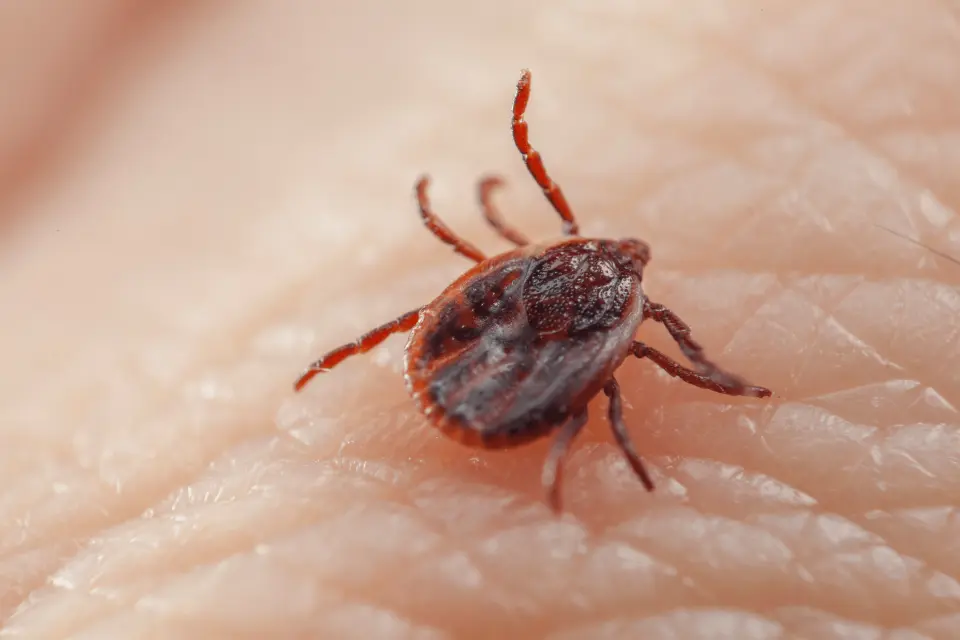
An embedded tick looks like a small dark seed or mole attached to the skin. The tick's body engorges as it feeds, growing from the size of a poppy seed to a small grape over several days. Ticks prefer warm, moist areas of the body, including under the arms, behind the knees, around the waistband, and in the hair. Check these locations thoroughly after spending time outdoors. For tips on distinguishing species after removal, see our guide to deer tick vs dog tick identification.
Recognizing the Lyme Disease 'Bullseye' Rash
Erythema Migrans: Size and Texture
The hallmark Lyme disease rash, called erythema migrans, creates a distinctive target-like pattern. A central red area surrounded by a clear ring and an outer red circle gives it the "bullseye" name. This rash typically feels warm to the touch but is not usually painful or itchy. The texture remains flat rather than raised, and the skin does not blister or peel. Some bullseye rashes appear uniformly red without the classic rings, which can cause confusion.
Timeline for Rash Development
The most common early sign of Lyme disease is a spreading circular rash that appears 3 to 30 days after the bite. Most rashes emerge within 7 to 14 days. The rash expands gradually, sometimes reaching 12 inches or more in diameter. If a red mark appears immediately after removing a tick and fades within 48 hours, that is likely an allergic reaction to the bite itself rather than Lyme disease. True erythema migrans persists and grows over time.
See a doctor online today
A licensed doctor can review your symptoms online, talk through next steps, and send a prescription to your pharmacy if appropriate.
- $39 video visit
- Insurance accepted
- 4.8 on Trustpilot
Other Rashes and Skin Reactions to Watch For
Southern Tick-Associated Rash Illness (STARI)
STARI produces a rash nearly identical to Lyme disease but occurs in southern and southeastern states where the Lone Star tick is prevalent. The circular, expanding rash develops similarly, making visual distinction impossible without laboratory testing. STARI generally causes milder illness than Lyme disease, but any expanding rash after a tick bite deserves medical evaluation.
Rocky Mountain Spotted Fever (RMSF) Spots
RMSF creates a distinctly different pattern. Small, flat pink spots typically appear on the wrists and ankles first, then spread toward the trunk. These spots may become raised and eventually turn dark red or purple as the condition progresses. RMSF is a medical emergency requiring immediate antibiotic treatment. The rash usually develops 2 to 4 days after fever begins.
Allergic Reactions and Hypersensitivity
Some individuals develop allergic responses to tick saliva that create larger areas of redness and swelling than typical bites. Thousands of people in the U.S. have been diagnosed with alpha-gal syndrome, an allergy to red meat triggered by Lone Star tick bites. This condition may not cause immediate skin symptoms but produces delayed allergic reactions hours after eating beef, pork, or lamb.
Early Warning Signs of Tick-Borne Illness
Flu-Like Symptoms and Fatigue
Tick-borne infections often mimic the flu initially. Fever, chills, headache, and muscle aches typically appear within 1 to 2 weeks of infection. Profound fatigue that does not improve with rest is particularly common with Lyme disease. These symptoms occurring during tick season, especially after outdoor activities, should raise suspicion even without a visible rash. Doctronic.ai can help evaluate whether flu-like symptoms combined with potential tick exposure warrant testing.
Joint Pain and Neurological Changes
Untreated Lyme disease may progress to cause joint swelling and pain, particularly in the knees. Neurological symptoms can include facial paralysis, numbness or tingling in the hands and feet, and severe headaches with neck stiffness. Memory problems and difficulty concentrating sometimes develop weeks to months after the initial infection. These later-stage symptoms indicate the infection has spread and require aggressive treatment.
Immediate Steps After Finding a Tick
Safe Removal Techniques Using Tweezers
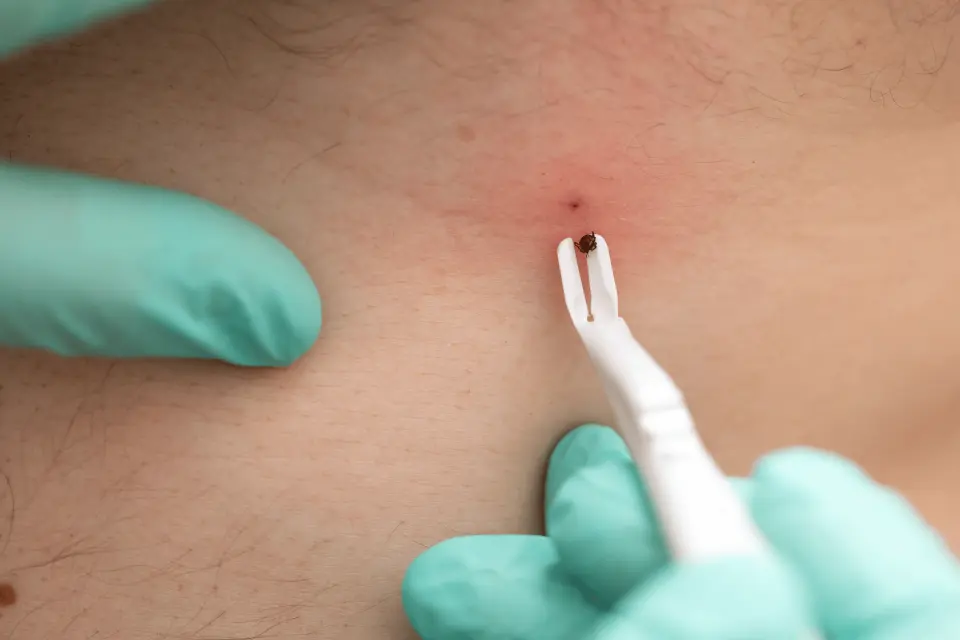
Proper removal matters. Use fine-tipped tweezers to grasp the tick as close to the skin surface as possible. Pull upward with steady, even pressure without twisting or jerking. Twisting can cause the mouthparts to break off and remain in the skin. Never crush the tick's body during removal, as this may force infectious material into the wound. Avoid folk remedies like burning the tick or coating it with petroleum jelly, which do not work and may increase infection risk.
Cleaning and Monitoring the Bite Area
After removal, clean the bite site thoroughly with rubbing alcohol or soap and water. Dispose of the tick by placing it in alcohol, sealing it in a bag, or flushing it down the toilet. Consider saving the tick in a sealed container for identification if symptoms develop later. Mark the calendar and monitor the bite site daily for at least 30 days. Take photos to track any changes in the rash's size or appearance.
When to Consult a Medical Professional
Seek medical attention immediately if an expanding rash develops, fever occurs within weeks of a tick bite, or flu-like symptoms persist. Do not wait for the classic bullseye pattern since many Lyme disease rashes do not form perfect rings. Joint swelling, facial drooping, severe headaches, or heart palpitations after a tick bite require urgent evaluation. Early antibiotic treatment prevents most complications from tick-borne diseases. Doctronic.ai provides 24/7 telehealth visits with licensed doctors in all 50 states, offering convenient access when symptoms appear outside regular office hours.
Frequently Asked Questions
Yes. Some tick bites leave minimal visible evidence, especially if the tick detaches early. The absence of a rash does not rule out infection, so monitor for systemic symptoms like fever or fatigue.
Most experts believe ticks must be attached for at least 24 hours to transmit Lyme disease bacteria. Other infections, like Rocky Mountain Spotted Fever, can transmit more quickly, sometimes within hours.
Some laboratories offer tick testing, but results take time and may not change treatment decisions. Doctors typically treat based on symptoms rather than waiting for tick test results.
Untreated tick-borne infections can cause chronic joint pain, neurological issues, and heart problems. Early treatment with appropriate antibiotics prevents most long-term complications.
No. Only certain tick species transmit specific diseases, and not all individual ticks are infected. The deer tick (black-legged tick) carries Lyme disease, while the American dog tick transmits Rocky Mountain Spotted Fever.
The Bottom Line
Recognizing the appearance of tick bites and the warning signs of tick-borne illness enables faster treatment and better outcomes. When uncertain about a bite or developing symptoms, visit Doctronic.ai for immediate AI-powered guidance or affordable, around-the-clock telehealth consultations with licensed physicians.
Related articles
Get allergy care advice
Chat Now