
Types of Ticks in the U.S.: Which Ones to Worry About This Spring

Medically reviewed by Alan Lucks | MD, Alan Lucks MDPC Private Practice - New York on May 23rd, 2026.
Published on April 17th, 2026. Updated on July 23rd, 2026.
Key takeaways
Spring brings peak tick activity across the U.S., with ticks most active from April through September and nymphs hardest to detect in May through July
Five main tick species pose health risks: blacklegged ticks, Lone Star ticks, American dog ticks, brown dog ticks, and western blacklegged ticks
The Lone Star tick can cause alpha-gal syndrome, a red meat allergy affecting an estimated 450,000 Americans, and its range has expanded significantly northward
Prompt removal within 24 to 36 hours prevents most tick-borne disease transmission, making daily tick checks essential after outdoor activity
EPA-registered repellents containing DEET or picaridin and permethrin-treated clothing significantly reduce tick bite risk
Doctronic.ai offers 24/7 AI consultations and telehealth visits to help assess tick bite symptoms and determine next steps
Spring Tick Season Has Arrived
Warmer weather means more time outdoors, but it also signals the return of tick season across the United States. Understanding which types of ticks pose the greatest threat this spring can help families stay safe while enjoying outdoor activities. Different tick species carry different diseases, and knowing what to look for makes all the difference in protecting health. This guide covers the most dangerous ticks in the U.S., how to identify them, and what to do if you are bitten.
Understanding Spring Tick Activity and Regional Risks
Why Spring is Peak Season for Tick Encounters
Ticks become active when temperatures stay above 42 degrees Fahrenheit. Spring provides the perfect conditions: warming soil, increased humidity, and hungry ticks emerging from winter dormancy. Nymph-stage ticks, which are tiny and hard to spot, are most active from May through July. These immature ticks are responsible for most disease transmission because people rarely notice them attached to their skin.
Tick-borne disease transmission occurs when an infected tick feeds on a host long enough to transfer pathogens through its saliva. Ticks can spread bacteria, viruses, and parasites causing over a dozen distinct human diseases in the United States.
Climate Change and Expanding Tick Habitats
Tick populations are spreading into new territories. Areas that once had cold winters now experience milder temperatures, allowing ticks to survive and reproduce in places they never lived before. The blacklegged tick has moved northward into Canada and westward across the Midwest. Lone Star ticks, once limited to southeastern states, now appear as far north as southern New England. Doctronic.ai can help patients in newly affected regions understand whether their symptoms warrant tick-borne disease testing.
Primary Tick Species to Watch For
Blacklegged (Deer) Tick and Lyme Disease
The blacklegged tick, commonly called the deer tick, transmits Lyme disease, anaplasmosis, and babesiosis. These ticks are small, with adult females about the size of a sesame seed. They have reddish-brown bodies with darker legs. Found primarily in the Northeast, Mid-Atlantic, and Upper Midwest, deer ticks attach to hosts in wooded areas and tall grass. Lyme disease requires the tick to remain attached for at least 36 hours, making daily tick checks essential for prevention.
Understanding deer tick Lyme prevention is particularly important for people living in or visiting high-risk regions.
Lone Star Tick Alpha-gal Syndrome and STARI
The Lone Star tick has become a growing concern across the eastern U.S. Female Lone Star ticks have a distinctive white dot on their backs. This species can cause alpha-gal syndrome, which has grown from a handful of known cases in 2009 to an estimated 450,000 Americans affected. Alpha-gal syndrome causes allergic reactions to red meat and can develop after a single bite. These aggressive ticks also transmit STARI and ehrlichiosis.
American Dog Tick and Rocky Mountain Spotted Fever
American dog ticks are larger than deer ticks, with brown bodies and white or gray markings. They live east of the Rocky Mountains and along the Pacific Coast. This species transmits Rocky Mountain spotted fever, a serious illness that can be fatal without prompt treatment. Symptoms include fever, headache, and a distinctive spotted rash. American dog ticks prefer grassy areas with little tree cover.
Brown Dog Tick and Western Blacklegged Tick
Brown dog ticks are unique because they can complete their entire life cycle indoors. They primarily bite dogs but will attach to humans when dog hosts are unavailable. This species transmits Rocky Mountain spotted fever in the southwestern U.S. The western blacklegged tick, found along the Pacific Coast, transmits Lyme disease and anaplasmosis. It behaves similarly to its eastern cousin but has a more limited range.
See a doctor online today
A licensed doctor can review your symptoms online, talk through next steps, and send a prescription to your pharmacy if appropriate.
- $39 video visit
- Insurance accepted
- 4.8 on Trustpilot
Identifying Ticks and Recognizing Bite Symptoms
Physical Differences in Size, Color, and Markings
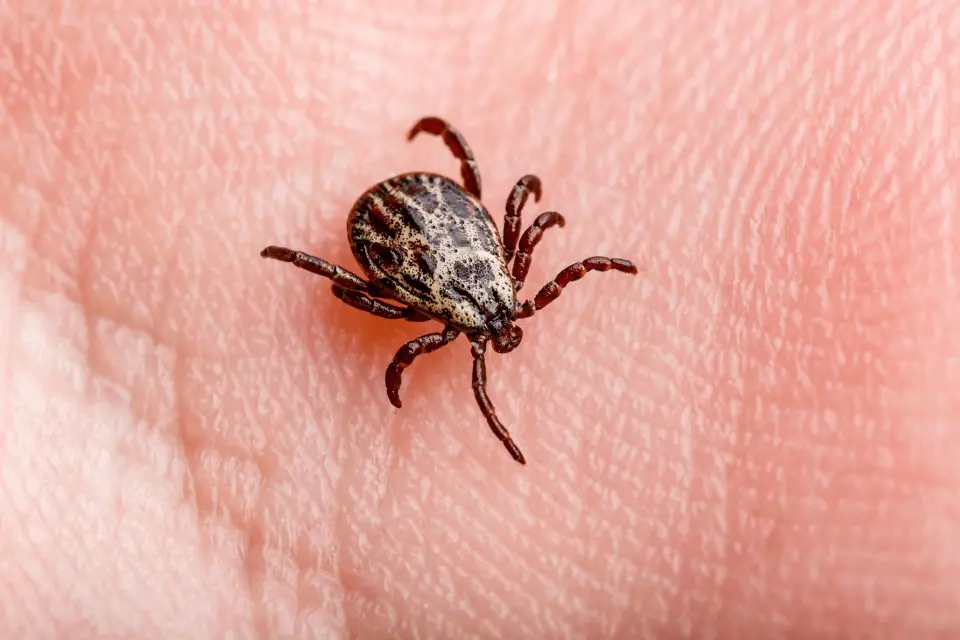
Proper identification helps determine disease risk. Blacklegged ticks are smallest, with dark legs and orange-brown bodies. Lone Star ticks are medium-sized with the distinctive white spot on females. American dog ticks are largest, with ornate white markings on their backs. All ticks swell significantly after feeding, sometimes becoming unrecognizable compared to their unfed appearance.
Early Warning Signs of Tick-Borne Illness
Symptoms of tick-borne illness typically appear 3 to 30 days after a bite. Watch for fever, chills, headache, fatigue, and muscle aches. A bull's-eye rash around the bite site strongly suggests Lyme disease but does not appear in all cases. Rocky Mountain spotted fever produces a spotted rash that often starts on wrists and ankles. Any unusual symptoms following a tick bite warrant medical attention.
Effective Prevention Strategies for Outdoor Activities
Personal Protection with Repellents and Clothing
Tick bite prevention starts with EPA-registered repellents containing DEET, picaridin, or IR3535 on exposed skin. Treat clothing and gear with permethrin, which kills ticks on contact and lasts through several washings. Wear long pants tucked into socks and light-colored clothing to spot ticks easily. Stick to trail centers and avoid brushing against vegetation where ticks wait for hosts.
Managing Your Yard to Minimize Tick Populations
Keep grass mowed short and remove leaf litter where ticks hide. Create a 3-foot barrier of wood chips or gravel between lawns and wooded areas. Stack firewood neatly in dry areas away from the house. Remove plants that attract deer, which carry ticks into yards. Consider professional tick control treatments for properties near wooded areas.
Protecting Pets from Spring Tick Exposure
Dogs and cats bring ticks into homes on their fur. Use veterinarian-recommended tick prevention products year-round. Check pets daily during tick season, focusing on ears, between toes, and under collars. Remove any attached ticks immediately using the same technique used for humans.
Proper Removal and Post-Bite Action Plan
Step-by-Step Safe Tick Removal Technique
Use fine-tipped tweezers to grasp the tick as close to the skin as possible. Pull upward with steady, even pressure. Do not twist or jerk, which can cause mouthparts to break off in the skin. Clean the bite area and hands with rubbing alcohol or soap and water. Save the tick in a sealed bag with a damp cotton ball for identification if symptoms develop later.
When to Consult a Healthcare Professional
Seek medical care if a rash develops around the bite site, if flu-like symptoms appear within 30 days, or if the tick was attached for more than 36 hours. Doctronic.ai offers convenient 24/7 telehealth consultations, making it easy to get professional guidance on tick bites without waiting for an appointment.
Frequently Asked Questions
Most tick-borne diseases require at least 24 hours of attachment for transmission. Lyme disease typically needs 36 to 48 hours. This is why daily tick checks are so effective at preventing illness.
Most tick species cannot survive long indoors due to low humidity. The brown dog tick is an exception and can live and reproduce inside homes, particularly in kennels or areas where dogs rest.
Leave embedded mouthparts alone. The body will naturally expel them over time. Trying to dig them out causes more skin damage and increases infection risk. Clean the area and monitor for signs of infection.
No. Tick bites are usually painless because ticks inject a numbing substance when they attach. Most people never feel the bite, which is why visual checks are necessary.
Not all ticks are infected with disease-causing pathogens. Infection rates vary by species, location, and season. A tick bite does not guarantee illness, but monitoring symptoms remains important. Doctronic.ai can help you assess your risk based on tick type and attachment duration.
The Bottom Line
Tick awareness and prevention are essential for anyone spending time outdoors this spring. Knowing which tick species pose risks, how to prevent bites, and when to seek care can protect families from serious illness. For quick answers about tick bites or symptoms, Doctronic.ai offers free AI consultations and affordable telehealth visits with licensed doctors available 24/7.
Related articles
Get allergy care advice
Chat Now