
Tick Bite Symptoms: What to Watch for in the Days After a Bite

Medically reviewed by Alan Lucks | MD, Alan Lucks MDPC Private Practice - New York on May 24th, 2026.
Published on April 17th, 2026. Updated on July 23rd, 2026.
Key takeaways
Most tick bites cause minor redness and irritation that resolves within a few days, but certain symptoms signal infection and require medical attention
The erythema migrans rash appears in approximately 70 to 80% of Lyme disease cases, typically developing 3 to 30 days after the bite
Flu-like symptoms, joint pain, and severe headaches following a tick bite indicate your body may be fighting a tick-borne illness
Documenting the bite site with photos and noting any changes helps doctors make accurate diagnoses
Certain red-flag symptoms, including an expanding rash, fever above 101°F, or neurological signs, require urgent medical attention
Doctronic.ai provides 24/7 telehealth consultations to help assess tick bite symptoms and determine whether urgent care is needed
Questions about tick bites?
Free. Anonymous. Built by doctors.
This article covers general information. Ask Doctronic about your symptoms, medications, side effects, or treatment options.
Understanding Tick Bite Symptoms After a Bite
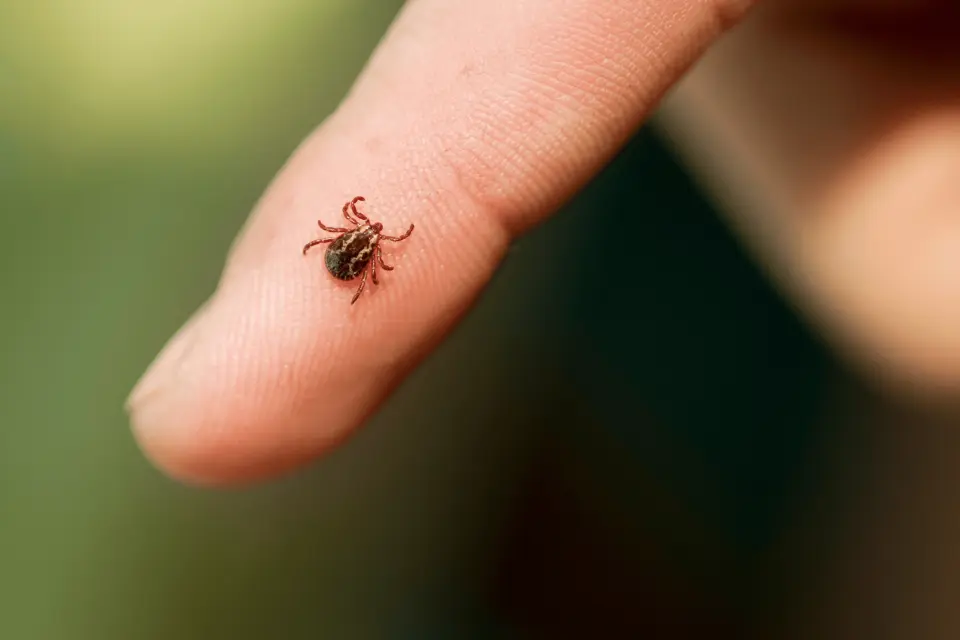
A tick latches onto the skin, feeds for hours or days, and can transmit dangerous pathogens. Knowing what symptoms to watch for in the days after a tick bite can mean the difference between early treatment and serious complications. Tick-borne diseases include Lyme disease, Rocky Mountain spotted fever, ehrlichiosis, and anaplasmosis, each with distinct but often overlapping symptom profiles. The body's response to these infections follows predictable patterns, and recognizing warning signs early leads to better outcomes.
Normal Reactions vs. Warning Signs in the First Hours
Local Skin Irritation and Small Red Bumps
A small red bump at the bite site is completely normal. The body reacts to tick saliva, creating localized irritation similar to a mosquito bite. This reaction typically appears within hours of removing the tick and measures less than two inches across. The area may feel slightly itchy or tender to the touch. These normal reactions usually fade within a few days without treatment.
The Difference Between Normal Healing and Early Infection
Normal healing shows steady improvement: the redness decreases, swelling goes down, and discomfort fades. Infection looks different. The redness expands rather than shrinks, the area becomes increasingly painful, or new symptoms appear. Warmth radiating from the bite site, pus formation, or red streaking away from the wound all suggest bacterial infection requiring antibiotics. Doctronic.ai can help evaluate photos of bite sites and determine whether symptoms indicate normal healing or early infection.
Monitoring the Bite Site for Rashes and Skin Changes
The Classic Bullseye Rash
The erythema migrans rash is the most recognizable sign of Lyme disease. It begins at the bite site after a delay of 3 to 30 days, with most appearing around day seven. The rash starts as a red area that expands outward, often developing a clear center that creates the distinctive bullseye appearance. It can grow quite large, sometimes reaching 12 inches or more across. The rash rarely itches or hurts, which causes some people to overlook it.
Not every bullseye rash develops the classic circular pattern, and atypical expanding redness warrants the same medical evaluation as a textbook bullseye.
Atypical Rashes and Discoloration Patterns
Not every Lyme rash looks like a bullseye. Some appear as solid red or blue-red patches without central clearing. Others show multiple rings or an oval shape rather than a circle. Southern tick-associated rash illness produces a similar expanding rash but stems from different tick species. Any expanding rash following a tick bite warrants medical evaluation, regardless of its exact appearance.
How Your Body Responds to Systemic Symptoms
Flu-Like Aches, Chills, and Fever
Tick-borne infections often trigger whole-body responses that mimic the flu. Fever, chills, body aches, and general malaise typically appear within one to two weeks of an infected bite. These symptoms reflect the immune system's response to invading pathogens. Rocky Mountain spotted fever, ehrlichiosis, and anaplasmosis all begin with flu-like presentations. Flu-like symptoms appearing in warm months after outdoor activity should raise suspicion for tick-borne illness.
Joint Pain and Persistent Fatigue
Lyme disease has a particular affinity for joints. Pain may begin in one knee, then shift to the other, or affect ankles, wrists, and elbows. This migratory joint pain distinguishes Lyme from typical arthritis. Fatigue accompanying tick-borne illness feels different from normal tiredness: it persists despite adequate sleep and interferes with daily activities.
Neurological Indicators and Severe Headaches
Tick-borne pathogens can affect the nervous system. Severe headaches, neck stiffness, facial drooping, and numbness or tingling in the extremities all signal potential neurological involvement. These symptoms may appear weeks after the initial bite. Any neurological symptoms following a tick bite require immediate medical attention.
See a doctor online today
A licensed doctor can review your symptoms online, talk through next steps, and send a prescription to your pharmacy if appropriate.
- $39 video visit
- Insurance accepted
- 4.8 on Trustpilot
Timeline of Symptom Progression
What to Document in the First 48 Hours
The first two days after discovering a tick bite establish a baseline for monitoring. Take a clear photo of the bite site with a ruler or coin for scale. Note the exact date, time of tick removal, and location on the body. Write down how long the tick was attached if known. Save the tick in a sealed container if possible, as some laboratories can test ticks for pathogens.
The Critical Days 3 to 30 Window for Lyme and STARI
Most tick-borne illness symptoms emerge within this window. Check the bite site daily for expanding redness or rash development. Monitor for fever, fatigue, headache, and muscle aches. Keep a simple log of any symptoms with their onset dates and severity. This documentation proves invaluable during medical consultations. Doctronic.ai allows patients to share detailed symptom histories with licensed providers during telehealth visits.
When to Seek Medical Attention
Red Flag Symptoms Requiring Urgent Care
Certain symptoms demand immediate medical evaluation:
Expanding rash of any pattern at or near the bite site
Fever above 101°F appearing within two weeks of the bite
Severe headache with neck stiffness
Facial weakness or drooping
Heart palpitations or chest pain
Difficulty breathing
Multiple joint swelling
Confusion or difficulty concentrating
Early antibiotic treatment for Lyme disease is highly effective, while delayed treatment can lead to long-term complications such as arthritis or neurological problems.
Preparing for Your Doctor's Visit
Arrive prepared with specific information. Bring photos showing the bite site's progression over time. Note the geographic location where the bite occurred, as different regions harbor different tick species and diseases. List all symptoms with their onset dates and mention any medications currently being taken. If the tick was saved, bring it in a sealed container.
Best Practices for Safe Tick Removal and Prevention
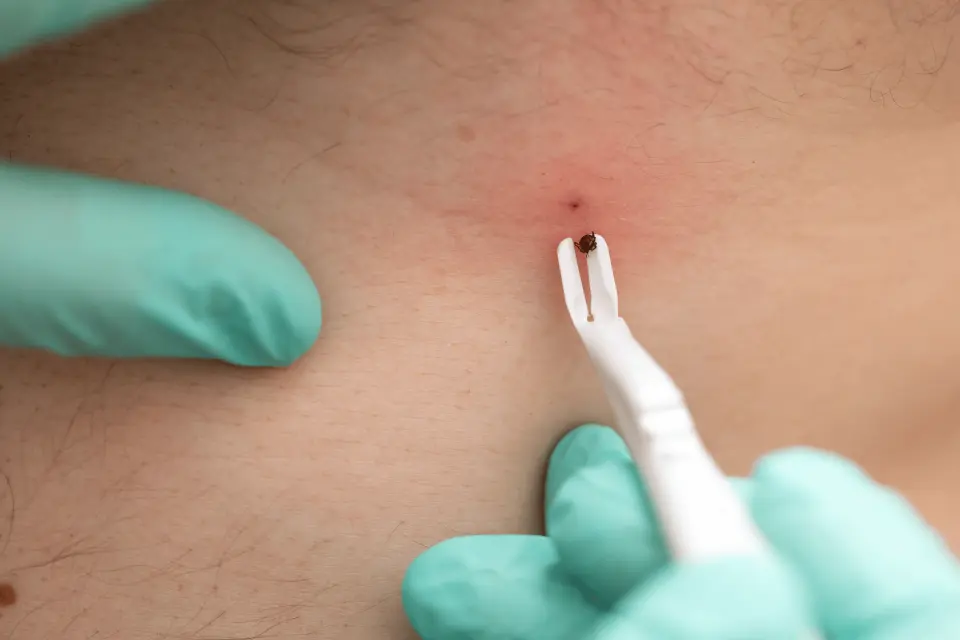
Proper tick removal reduces infection risk. Use fine-tipped tweezers to grasp the tick as close to the skin as possible. Pull upward with steady, even pressure without twisting or jerking.
Prevention strategies include:
Wearing long pants tucked into socks in wooded or grassy areas
Applying EPA-registered insect repellents containing DEET or picaridin
Treating clothing and gear with permethrin
Conducting full-body tick checks after outdoor activities
Showering within two hours of coming indoors
Frequently Asked Questions
Symptoms typically develop between 3 and 30 days after an infected tick bite. The erythema migrans rash typically appears within about 7 days. Flu-like symptoms usually emerge within one to two weeks.
Yes. Approximately 20 to 30% of Lyme disease cases never develop a visible rash. Other tick-borne illnesses, such as anaplasmosis and ehrlichiosis, rarely cause rashes.
Not necessarily. Prophylactic antibiotics may be recommended when the tick was attached for 36 hours or longer, the bite occurred in a high-risk geographic area, and treatment can begin within 72 hours of removal. A healthcare provider can assess individual circumstances.
An infected bite may show an expanding area of redness, warmth, swelling, or the characteristic bullseye pattern. The rash typically grows larger over days rather than improving.
The Bottom Line
Monitoring tick bite symptoms in the days after a bite enables early treatment before complications develop. For questions about tick bite symptoms or concerns about potential infection, Doctronic.ai provides 24/7 telehealth consultations with licensed physicians who can evaluate symptoms and recommend appropriate next steps.
Related articles
Check symptoms of tick bite
Chat Now