

Infectious Disease
Doxycycline for Lyme Disease: When to Start Treatment After a Tick Bite
April 6, 2026
7 min read

Medically reviewed by Alan Lucks | MD, Alan Lucks MDPC Private Practice - New York on May 23rd, 2026.
Published on April 17th, 2026. Updated on July 23rd, 2026.
Remove ticks promptly using fine-tipped tweezers, pulling straight up with steady pressure to avoid leaving mouthparts behind
Clean the bite site thoroughly with soap and water or rubbing alcohol after tick removal
Antibiotic ointment may help prevent minor skin infections, but does nothing to stop Lyme disease or other tick-borne illnesses
Watch for the erythema migrans rash, an expanding red ring that signals potential Lyme disease and requires prescription antibiotics, not topical ointment
Prophylactic oral doxycycline is only appropriate when the tick is an Ixodes species, was attached for at least 36 hours, and treatment begins within 72 hours of removal
Doctronic.ai offers free AI doctor consultations to help assess tick bite risk and determine whether prophylactic treatment is needed
Finding a tick attached to your skin triggers an immediate question: what should you do next? Many people reach for an antibiotic ointment, assuming it will prevent infection. This instinct makes sense, but misses a critical distinction. Topical antibiotics address surface skin bacteria, not the pathogens that ticks carry into your bloodstream. Understanding proper first aid for tick bites helps you take the right steps without wasting time on ineffective treatments.
Tick-borne diseases are transmitted by several species across the United States, with ticks most active from April through September in most regions, though some areas of the West Coast and Southeast experience year-round activity. The moments after discovering a tick matter tremendously. Quick, correct removal reduces the risk of transmission of diseases such as Lyme disease, anaplasmosis, and babesiosis.
Grab fine-tipped tweezers and position them as close to the skin surface as possible. Grasp the tick's head or mouthparts, not its body. Pull upward with steady, even pressure. Twisting or jerking can cause the mouthparts to break off and remain embedded in your skin. If this happens, try removing the remaining pieces with tweezers. When removal proves difficult, leave it alone and let the skin heal naturally.
Never use folklore remedies like petroleum jelly, nail polish, or heat from a match. These methods do not work and may cause the tick to regurgitate infectious material into the bite wound. The goal is swift, clean removal without agitating the tick.
After successful removal, wash the bite area thoroughly with soap and water. Rubbing alcohol also works well for disinfection. Clean your hands and the tweezers with alcohol or soap. Dispose of the tick by flushing it down the toilet, placing it in alcohol, or sealing it in tape. Some experts recommend saving the tick in a sealed bag with a moist cotton ball for potential identification later.
Get chronic wound care treatment online today
A licensed doctor can review your symptoms and send a prescription to your pharmacy, often the same day.
Related medications we prescribe
Learn moreAntibiotic ointment serves one purpose after a tick bite: preventing bacterial skin infections at the wound site. The bite creates a small puncture that can become infected with common skin bacteria like Staphylococcus or Streptococcus. A thin layer of bacitracin or similar ointment reduces this risk. Keep the area clean and covered with a bandage for the first day or two.
Here is the critical point most people miss: topical antibiotic ointment cannot prevent Lyme disease or any other tick-borne illness. These infections enter the bloodstream through the tick's saliva during feeding. By the time you discover the tick and apply ointment, any transmitted pathogens are already circulating systemically. No cream or ointment applied to the skin surface can reach or eliminate these organisms.
Routine antibiotic use after tick bites is not recommended to prevent tick-borne diseases. Treatment decisions should be based on symptoms, exposure history, and sometimes blood test results. This applies to both topical and oral antibiotics in most situations.
Applying antibiotic ointment unnecessarily contributes to antibiotic resistance over time. Some people also develop allergic reactions or contact dermatitis from ingredients in these products. If the bite area looks clean and shows no signs of infection, skipping the ointment is perfectly reasonable. Monitor the site instead and apply treatment only if infection signs appear.
The erythema migrans rash represents the hallmark sign of early Lyme disease. It typically appears three to thirty days after a tick bite as an expanding red area that may clear in the center, creating a bullseye pattern. Not everyone develops this classic appearance, so any expanding rash after a tick bite warrants medical evaluation. This rash indicates bacteria have entered your system and requires prescription oral antibiotics such as doxycycline, amoxicillin, or cefuroxime axetil, not topical treatment.
Doctronic.ai can help you assess whether a rash matches the characteristics of erythema migrans and recommend appropriate next steps.
Beyond skin changes, watch for fever, chills, fatigue, headache, muscle aches, and joint pain in the weeks following a tick bite. These flu-like symptoms may indicate tick-borne illness requiring medical treatment. Neurological symptoms like facial drooping, severe headaches, or neck stiffness demand urgent evaluation. Early treatment of Lyme disease and other tick-borne infections produces far better outcomes than delayed intervention.
Prophylactic doxycycline is only appropriate under specific circumstances: the tick must be an identified Ixodes species, the bite must have occurred in a highly endemic area, the tick must have been attached for at least 36 hours, and treatment must begin within 72 hours of removal. A single 200 mg dose for adults (or 4.4 mg/kg up to 200 mg for children 8 years and older) can reduce Lyme disease risk when these criteria are met.
This differs completely from applying antibiotic ointment, which addresses only surface bacteria. Oral antibiotics enter the bloodstream and can eliminate Borrelia burgdorferi before infection establishes. Topical treatments never reach circulating pathogens. Understanding this distinction prevents the false security that comes from applying ointment and assuming protection.
Photograph the tick before disposal if possible. Note its size, color, and any distinguishing features. Record the date of discovery and estimated attachment duration. This information helps healthcare providers assess your risk level and make treatment decisions. Blacklegged ticks transmit Lyme disease, while American dog ticks carry Rocky Mountain spotted fever, so identification matters.
Mark the bite location with a pen circle to track any expanding redness. Take photos daily for the first week to document changes. This visual record proves invaluable if you need medical evaluation later.
Normal tick bite healing involves mild redness and slight swelling that improves within a few days. Itching is common and does not indicate infection. Signs of bacterial skin infection include increasing redness, warmth, swelling, pus, or pain that worsens rather than improves. These symptoms warrant antibiotic ointment application or medical evaluation for oral antibiotics.
Signs of tick-borne systemic infection differ: expanding rash, fever, body aches, and fatigue appearing days to weeks after the bite. These require professional medical care, not topical treatment.
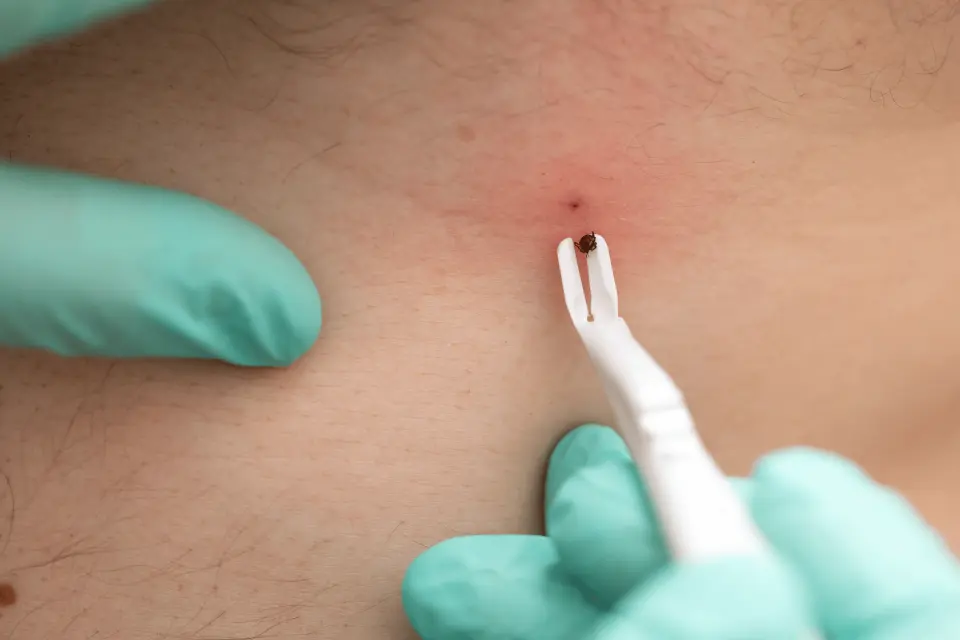
Antibiotic ointment is optional for tick bites. Clean the wound thoroughly first. Apply ointment only if you want extra protection against surface skin infection, not tick-borne diseases.
Watch the bite site for at least 30 days after removal, as most Lyme disease rashes appear within 3 to 30 days, though some develop later. Systemic symptoms can emerge up to several weeks after the bite.
Transmission risk increases significantly after 36 to 48 hours of attachment. Brief attachments carry a lower risk, but rare cases of transmission within 24 hours have been documented, so monitor for symptoms regardless of attachment duration.
Request evaluation if you were bitten by a deer tick in an endemic area and believe it was attached for over 36 hours. Doctronic.ai can help assess whether you meet criteria for prophylaxis through a free AI consultation.
Tick bite first aid requires proper removal and wound cleaning, but antibiotic ointment will not protect against Lyme disease or other tick-borne illnesses. Focus on monitoring for systemic symptoms and seeking medical care if concerning signs develop. For personalized guidance on tick bite assessment, Doctronic.ai provides free AI doctor consultations available 24/7.
Get allergy care advice
Chat Now