
Sunscreen and Freckles: Can SPF Prevent New Spots From Forming?

Medically reviewed by Alan Lucks | MD, Alan Lucks MDPC Private Practice - New York on May 23rd, 2026.
Published on April 17th, 2026. Updated on July 23rd, 2026.
Key takeaways
Freckles form due to a combination of genetics and UV exposure, with the MC1R gene playing a central role in determining who develops them
Consistent sunscreen use can prevent new freckles from forming by blocking the UV rays that trigger melanocyte activation
SPF cannot erase existing freckles, but can prevent seasonal darkening and stop new spots from appearing
Most people apply only 25 to 50 percent of the sunscreen needed to achieve the protection listed on the label
Combining sunscreen with protective clothing and antioxidants creates the most effective defense against new pigmentation
Doctronic.ai offers telehealth visits to help clarify individual skin concerns and recommend personalized protection approaches
Questions about sunscreen and freckles?
Free. Anonymous. Built by doctors.
Talk to our AI doctor for a clear, personalized read on your situation.
Understanding Freckles and Sun Protection
Those small brown spots scattered across noses and cheeks have sparked countless questions about whether SPF can actually prevent new freckles from forming. The answer is more nuanced than a simple yes or no. Freckles represent a unique intersection of genetics and environmental exposure, meaning protection strategies must address both factors.
The Relationship Between UV Exposure and Freckle Development
What Are Freckles and Why Do They Form?
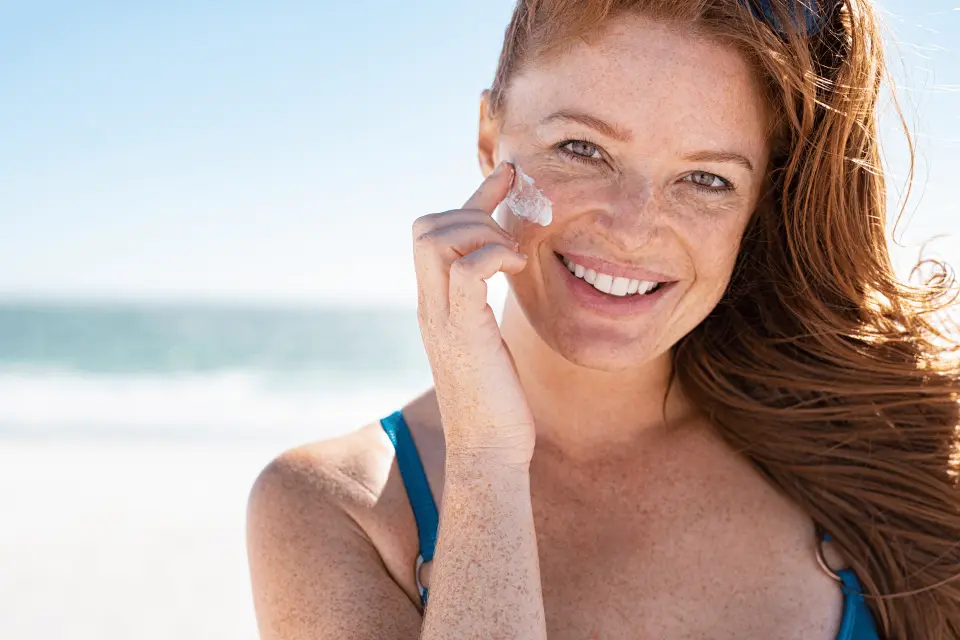
Freckles are small, flat spots of concentrated melanin that appear on sun-exposed areas of the skin. They develop when melanocytes respond to ultraviolet radiation by creating extra melanin in specific clusters. Unlike moles, freckles do not contain extra melanocyte cells. They simply represent areas where existing cells produce more pigment than surrounding skin. Most freckles appear during childhood and may fade or darken depending on sun exposure over the course of life.
The Role of Melanin and Genetics
The MC1R gene is the primary genetic factor determining freckle development. People with certain variants of this gene produce pheomelanin, a lighter type of pigment that provides less UV protection. When UV rays hit skin with these genetic characteristics, melanocytes respond by producing uneven pigment distribution, resulting in freckles. This genetic component explains why some people develop freckles easily while others with similar sun exposure never develop them at all.
Distinguishing Freckles from Sun Spots
True freckles, called ephelides, differ significantly from solar lentigines. Freckles typically appear in childhood, fade during winter months, and darken with sun exposure. Solar lentigines develop later in life, remain constant regardless of season, and indicate cumulative UV damage. Knowing the difference matters because prevention and treatment strategies vary between these pigmentation types.
How Sunscreen Prevents New Spots
Blocking UV-Induced Melanocyte Activation
Sunscreen prevents new freckles by interrupting the UV-to-melanin pathway. When UV rays cannot reach melanocytes, these cells receive no signal to produce excess pigment. Consistent daily application creates a protective barrier that keeps triggering radiation from penetrating the skin. The key is consistency. Sporadic application provides incomplete protection and allows UV rays to continue stimulating melanocyte activity.
Broad-Spectrum Protection
Both UVA and UVB rays contribute to freckle formation, making broad-spectrum UV protection essential. UVB rays cause immediate tanning and burning responses, while UVA rays penetrate deeper and trigger long-term pigmentation changes. Products labeled broad-spectrum protect against both wavelengths, providing comprehensive defense against new spot formation.
See a doctor online today
A licensed doctor can review your symptoms online, talk through next steps, and send a prescription to your pharmacy if appropriate.
- $39 video visit
- Insurance accepted
- 4.8 on Trustpilot
Related medications we prescribe
Learn moreCan SPF Fade Existing Freckles?
Preventing Seasonal Darkening
Sunscreen cannot erase freckles that already exist, but it can prevent them from becoming more prominent. Many people notice their freckles darken during summer months and fade during winter. Consistent SPF use interrupts this seasonal intensification by blocking the UV exposure that triggers increased melanin production. Over time, freckles protected from UV rays may appear lighter simply because they are not receiving the stimulation needed to maintain dark pigmentation.
Limitations on Permanent Pigmentation
Sunscreen is a preventive tool, not a treatment for existing pigmentation. Once melanin deposits form in the skin, SPF alone cannot remove them. People seeking to reduce existing freckles need additional interventions such as prescription lightening agents, chemical peels, or laser treatments. Proper sun protection remains critical during and after these procedures to prevent rebound pigmentation, similar to the approach used for preventing UV-triggered dark patches.
Optimizing Sun Protection for Freckle-Prone Skin
Choosing the Right SPF and Formula
SPF 30 blocks approximately 97 percent of UVB rays, while SPF 50 blocks about 98 to 99 percent. For freckle-prone individuals, the small difference between these levels matters less than proper application and reapplication. Choose a formula that works with daily routines and skin type. A sunscreen that feels uncomfortable will not be used consistently.
Reapplication and Coverage Amount
The protection listed on sunscreen labels assumes a specific application amount that most people never achieve. A nickel-sized amount for the face alone is recommended, with reapplication every two hours during sun exposure. Without adequate amounts, even SPF 50 provides far less protection than expected.
Physical vs. Chemical Blockers
Physical sunscreens containing zinc oxide or titanium dioxide sit on the skin surface and reflect UV rays, beginning to work immediately upon application. Chemical sunscreens absorb UV radiation and convert it to heat, requiring about 15 minutes to become effective. Both types effectively prevent freckle formation when used correctly.
Beyond SPF: A Complete Protection Strategy
Protective Clothing and Sun-Safe Habits
Sunscreen works best as part of a comprehensive approach. Wide-brimmed hats shade the face, neck, and ears where freckles commonly develop. UPF-rated clothing provides reliable protection without reapplication. Seeking shade during peak UV hours between 10 AM and 4 PM reduces overall exposure.
Topical Antioxidants
Vitamin C serums and other topical antioxidants complement sunscreen by neutralizing free radicals generated by UV exposure. These products do not replace SPF but enhance its protective effects and may help prevent pigmentation through additional mechanisms. Apply antioxidant serums in the morning before sunscreen for maximum benefit.
Frequently Asked Questions
Freckles represent a genetic response to UV exposure rather than injury to the skin. People with freckle-prone genetics will develop spots with even moderate sun exposure, but freckles themselves are not considered conventional markers of sun damage.
SPF 30 or higher with broad-spectrum protection provides adequate defense for most people. The consistency of application matters more than choosing between SPF 30 and SPF 50.
Establishing sunscreen habits early can reduce freckle development in genetically predisposed children. Since most freckles first appear during childhood, early protection is particularly valuable.
Freckles may fade significantly with strict sun avoidance, but rarely disappear entirely in adults. The underlying genetic tendency remains, and any UV exposure can trigger darkening.
The Bottom Line
Sunscreen is the most effective tool for preventing new freckles from forming, though it cannot erase existing spots. Consistent daily application of broad-spectrum SPF combined with protective clothing and antioxidants gives freckle-prone skin the best defense against new pigmentation. For personalized guidance on skin protection and pigmentation concerns, Doctronic.ai offers telehealth visits with licensed physicians available around the clock.
Related articles

Get skin care advice
Chat Now