
Sunburn Relief: Dermatologist-Approved Methods That Actually Work

Medically reviewed by Oghenefejiro Okifo | MD, Harvard Medical School | Henry Ford Hospital - Detroit, MI on April 20th, 2026.
Published on April 17th, 2026. Updated on July 23rd, 2026.
Key takeaways
The first 24 hours after sunburn are critical for minimizing skin damage and inflammation
Aloe vera and soy-based products provide effective cooling and healing, while benzocaine and lidocaine should be avoided
Hydration and anti-inflammatory medications help the body recover from the inside out
Never pick or exfoliate peeling skin, as this delays healing and increases infection risk
Blistering, fever, or severe pain may indicate second-degree burns or sun poisoning requiring medical attention
Doctronic.ai offers telehealth visits to help assess sunburn severity and recommend appropriate treatment
Understanding Sunburn and Taking Action
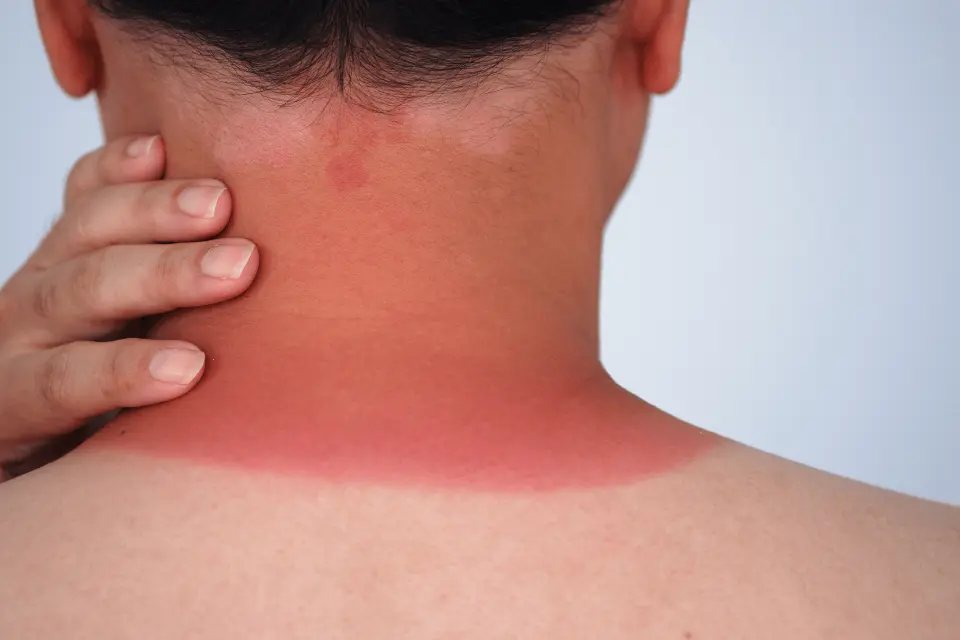
That painful red glow after a day outdoors is more than just discomfort. It signals real cellular damage happening beneath the skin's surface. The good news is that dermatologist-approved treatments can significantly reduce pain, speed healing, and prevent long-term damage when applied correctly. Many people reach for whatever lotion is nearby, but not all products help, and some can actually worsen the burn. Understanding the science behind sunburn symptoms and using proven methods makes the difference between a few uncomfortable days and weeks of peeling, blistering misery.
The Science of Sunburn and Immediate Response
Understanding the Inflammatory Response
Sunburn is the skin's inflammatory response to damage from ultraviolet radiation. When UV rays penetrate the epidermis, they damage DNA in skin cells. The body responds by increasing blood flow to the area, which causes redness and warmth. Inflammatory chemicals flood the damaged tissue, triggering pain receptors. This process peaks between 12 and 24 hours after sun exposure, and the damage is already done by the time skin turns red.
The Critical First 24 Hours
Acting fast during the first day determines how severe the burn becomes. Getting out of the sun immediately prevents additional damage. Cool showers or compresses help reduce inflammation and provide pain relief. Avoid ice directly on skin, as this can cause additional tissue damage. Drinking extra water is essential during this window, since the inflammatory response draws fluid to the skin's surface, potentially causing dehydration.
Dermatologist-Recommended Topical Treatments
Aloe Vera and Soy-Based Products
Aloe vera remains the gold standard for sunburn relief, with compounds that reduce inflammation, provide cooling sensations, and support skin repair. Pure aloe gel works best. Products with added fragrances or alcohol can irritate damaged skin further. Soy-based lotions offer an alternative, containing natural anti-inflammatory properties that help skin retain moisture during healing. Some dermatologists recommend alternating between aloe and soy products throughout the day.
Hydrocortisone Creams
Over-the-counter hydrocortisone creams at one percent strength can significantly reduce inflammation and itching. Apply a thin layer to affected areas two to three times daily. This treatment works best for moderate burns without blistering, and should not be used on broken skin or blisters.
Why to Avoid Benzocaine and Lidocaine
Despite their presence in many sunburn relief products, benzocaine and lidocaine can cause allergic reactions in sun-damaged skin. These numbing agents may provide temporary relief but often lead to contact dermatitis, adding another layer of irritation to an already painful situation. Dermatologists consistently advise against these ingredients for sunburn treatment.
Internal Recovery and Hydration Strategies
Combating Dehydration
Sunburn pulls fluid from the rest of the body toward the skin's surface, causing mild to moderate dehydration, especially with larger burns. Drinking water alone may not be enough. Oral rehydration solutions or drinks containing balanced electrolytes help replace sodium and potassium lost during the inflammatory process. Signs of dehydration include dark urine, dizziness, and increased thirst.
Anti-Inflammatory Medications
NSAIDs such as ibuprofen reduce both inflammation and pain associated with sunburn. Taking these medications within the first few hours of noticing a burn can limit the inflammatory cascade before it peaks. Acetaminophen helps with pain but does not address inflammation, making anti-inflammatory options the better choice specifically for sunburn. Understanding how long the healing process takes helps set realistic expectations for recovery.
Get sunburn treatment online today
A licensed doctor can review your symptoms and send a prescription to your pharmacy, often the same day.
- $39 video visit
- Insurance accepted
- 4.8 on Trustpilot
Related medications we prescribe
Learn moreSafe Skin Care During the Peeling Phase
Moisturizing to Repair the Skin Barrier
As damaged skin begins peeling, usually three to seven days after the burn, consistent moisturizing becomes critical. The skin barrier is compromised during this phase, making it vulnerable to infection and further damage. Fragrance-free, gentle moisturizers containing ceramides or hyaluronic acid help rebuild the skin's protective layer while keeping moisture locked in.
The Dangers of Picking and Exfoliating
Peeling skin tempts many people to help it along by picking or using exfoliating products. Pulling away skin that is not ready to shed exposes raw tissue underneath, increasing infection risk and potentially causing scarring. Let peeling happen naturally. The body knows when skin is ready to release, and forced removal only delays complete healing.
When to Seek Professional Medical Attention
Identifying Second-Degree Burns
Blisters indicate a second-degree burn requiring more careful treatment. These burns damage deeper skin layers and carry higher infection risks. Large blisters, especially those covering significant body areas, warrant professional evaluation. Experiencing severe blistering sunburns during youth substantially increases melanoma risk later in life, making proper treatment and future prevention essential.
Warning Signs of Sun Poisoning
Sun poisoning describes severe sunburn accompanied by systemic symptoms. Fever, chills, nausea, and severe headache indicate the body is struggling to cope with extensive UV damage. Confusion or fainting requires immediate emergency care, as these symptoms suggest a whole-body inflammatory response that may need IV fluids and prescription medications.
Long-Term Skin Repair and Future Prevention
Recovered skin remains more sensitive to UV damage for weeks or months after a severe burn. Using sunscreen that has not expired and applying it daily, wearing protective clothing, and seeking shade during peak sun hours prevents repeat damage to healing tissue. Wide-brimmed hats and UPF clothing provide additional protection without requiring reapplication. Building consistent sun protection habits now prevents painful burns and reduces long-term skin cancer risk.
Frequently Asked Questions
Mild sunburns typically heal within three to five days. Moderate burns with peeling take one to two weeks. Severe burns with blistering may require three weeks or longer to fully heal.
Repeated sunburns accelerate skin aging and significantly increase skin cancer risk. Even a single severe burn can cause lasting changes in skin cells that may lead to problems years later.
Never pop sunburn blisters. They protect healing skin underneath from infection. If a blister breaks on its own, clean the area gently and apply antibiotic ointment.
Hot water worsens sunburn pain and inflammation. Use cool or lukewarm water only. Hot showers strip moisture from already damaged skin and intensify discomfort.
The Bottom Line
Effective sunburn relief combines immediate cooling, proper topical treatments, hydration, and patience during the peeling phase. Acting quickly within the first 24 hours makes the biggest difference in outcomes. For questions about burn severity or treatment options, Doctronic.ai offers telehealth visits with licensed physicians available around the clock.
References
Related articles
Get skin care advice
Chat Now