Mental Health
How to Calm an Anxiety Attack: Techniques That Work in the Moment
April 17, 2026
6 min read

Medically reviewed by Oghenefejiro Okifo | MD, Harvard Medical School | Henry Ford Hospital - Detroit, MI on April 24th, 2026.
Published on March 25th, 2026. Updated on July 23rd, 2026.
Mild sunburns heal within 3 to 5 days with proper care, while severe burns can take two weeks or longer
Redness typically appears 2 to 6 hours after sun exposure and peaks between 12 and 24 hours later
Peeling starts around day 3 and should never be picked or pulled to avoid infection
Blistering sunburns require careful monitoring for signs of infection
Hydration, aloe vera, and avoiding further sun exposure speed recovery
Seek medical attention for widespread blistering, fever, or signs of sun poisoning
Have questions about a sunburn that won't heal? Doctronic.ai offers free AI doctor visits and affordable telehealth consultations to evaluate your symptoms quickly
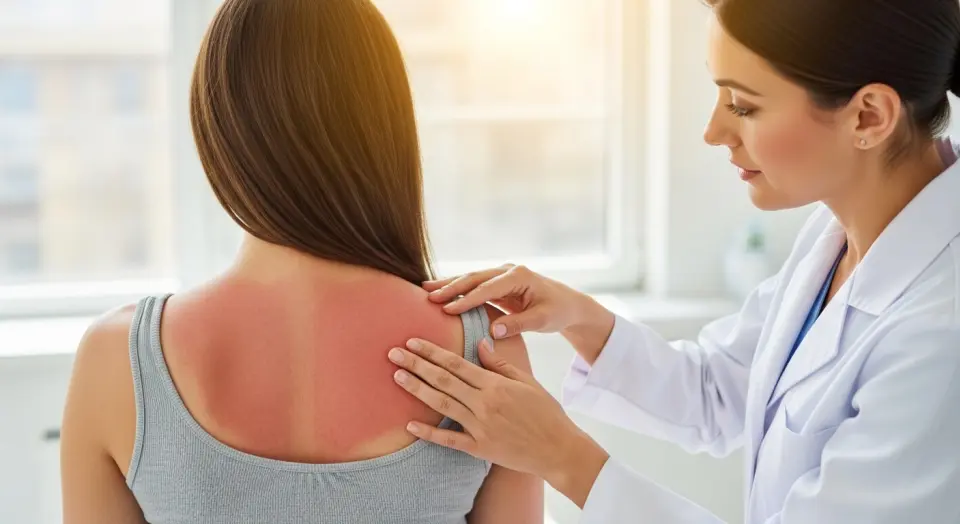
That tight, hot sensation after a day outdoors signals damage already underway beneath the skin's surface. Understanding how long sunburns last and the healing timeline by severity helps people know what to expect and when to worry.
Sunburn occurs when ultraviolet radiation penetrates the outer skin layers, damaging DNA in skin cells. The body responds by increasing blood flow to the area, which creates the characteristic redness and warmth. This inflammatory response is the immune system working to repair cellular damage and clear out injured cells.
The severity of a sunburn depends on several factors: UV index during exposure, duration outdoors, skin type, and whether any protection was used. Redness from sunburn usually appears within 2 to 6 hours after sun exposure and peaks between 12 and 24 hours later. This delay often catches people off guard because the worst symptoms develop well after they've left the sun.
For quick answers about sunburn symptoms or concerns about healing progress, Doctronic.ai offers free AI doctor visits that can help assess whether a burn needs professional attention.
Mild sunburns present as pink or light red skin that feels warm and slightly tender to the touch. There's no blistering, and discomfort remains manageable with basic home care.
Days 1-2 bring the most intense redness and sensitivity. Cool compresses and aloe vera provide relief during this phase. By days 3-4, the redness fades significantly, and skin may feel tight or itchy as healing progresses. Most mild burns resolve completely within 3 to 5 days, leaving no lasting marks.
Moderate sunburns cause deeper redness, noticeable swelling, and significant pain. The skin feels hot to the touch and may develop small blisters in isolated areas. These burns affect deeper skin layers and trigger a stronger inflammatory response.
The first 48 hours are the most uncomfortable, with peak symptoms including throbbing pain and extreme sensitivity. Days 3-5 typically bring the start of peeling. Peeling from sunburn typically starts around day 3 and can last for several days or even weeks, depending on the severity. Full recovery takes 7 to 10 days for moderate burns.
Severe sunburns involve widespread blistering, intense pain, and potentially systemic symptoms like fever, chills, nausea, or headache. The skin appears deep red or purple and may swell dramatically.
These burns damage multiple skin layers and require careful management to prevent complications. The blistering phase lasts 3 to 5 days, followed by extensive peeling that can continue for two weeks or more. Complete healing may take 3 weeks, and some people experience temporary changes in skin pigmentation. Severe burns always warrant medical evaluation.
Peeling represents the body's cleanup process, shedding damaged cells to make room for healthy new skin underneath. Dermatologists emphasize the importance of letting skin peel naturally to avoid infection and scarring.
The temptation to pull peeling skin is strong, but doing so can remove healthy tissue before it's ready, creating open wounds vulnerable to bacteria. Instead, keep peeling skin moisturized and allow it to fall away on its own. Gentle exfoliation with a soft washcloth after the acute phase passes can help remove loose skin safely.
Blisters form when damage extends deep enough to cause fluid accumulation between skin layers. These fluid-filled pockets protect the healing tissue underneath and should remain intact whenever possible.
Signs of infection in blistered burns include increasing redness spreading beyond the burn area, yellow or green discharge, increasing pain after initial improvement, red streaks extending from the burn, and fever developing days after the initial burn. Any of these symptoms requires prompt medical evaluation.
Sun poisoning describes a severe inflammatory reaction that extends beyond the skin. Symptoms include high fever, severe chills, nausea and vomiting, dizziness, and confusion. This condition requires medical attention.
Dehydration often accompanies sunburn because the inflammatory process draws fluid to the skin's surface. Symptoms overlap with sun poisoning but typically respond to aggressive fluid intake. Drink water, electrolyte beverages, and eat water-rich foods like watermelon and cucumber to support recovery.
Doctronic.ai can help distinguish between dehydration and sun poisoning, providing guidance on whether symptoms warrant an urgent care visit.
Individual healing rates vary significantly based on several key factors. Age plays a role, as younger skin regenerates faster than mature skin. People over 60 may find sunburns take 25-35% longer to heal completely.
Skin type matters too. Fair-skinned individuals often experience more severe burns but may heal at similar rates to darker-skinned people who burn less frequently. Overall health status affects recovery, with conditions like diabetes slowing wound healing generally.
Medications can influence both burn severity and healing speed. Certain antibiotics, diuretics, and acne medications increase sun sensitivity. Immunosuppressive drugs may slow the healing process. The burn's location also matters: areas with thinner skin, like the face and chest, often heal faster than thicker-skinned areas like the back.
Aloe vera remains the gold standard for sunburn relief. Pure aloe gel provides cooling comfort and contains compounds that support skin repair. Apply generously and frequently during the first few days.
Moisturizers containing ceramides help restore the skin barrier. Look for fragrance-free options to avoid irritation. Hydrocortisone cream (1%) can reduce inflammation and itching, but should only be used for a few days. Internal hydration is equally important. Increase water intake by at least 2 liters daily while healing, and consider electrolyte drinks if the burn covers large areas.
Certain actions can significantly slow healing or cause additional damage:
Hot showers or baths that further irritate damaged skin
Petroleum-based products that trap heat
Tight clothing that rubs against burned areas
Additional sun exposure on healing skin
Picking at peeling or blistered skin
Alcohol-based products that dry and irritate
Stay out of direct sunlight until the burn heals completely. Even after visible redness fades, the new skin underneath remains extra sensitive for several weeks.
Most sunburns heal without medical intervention, but certain situations require professional care. Seek medical attention for burns covering more than 15% of the body, widespread blistering, especially on the face, fever above 101°F, signs of infection, severe pain uncontrolled by over-the-counter medications, and symptoms of dehydration that don't improve with fluid intake.
Children and elderly individuals should have lower thresholds for seeking care, as they're more vulnerable to complications. Anyone with underlying health conditions affecting skin healing should also consult a healthcare provider for moderate to severe burns.
For guidance on whether a sunburn needs medical attention, Doctronic.ai provides 24/7 access to AI-powered assessments and affordable telehealth visits with licensed physicians in all 50 states.
Yes. Repeated sunburns, especially blistering burns, significantly increase skin cancer risk and accelerate skin aging. Even a single severe burn in childhood can increase melanoma risk later in life, though it does not necessarily double the risk.
No. Intact blisters protect healing skin underneath. Popping them creates an open wound vulnerable to infection. If a blister breaks on its own, keep the area clean and covered.
Sometimes partially. The darkening that follows sunburn represents the skin's attempt to protect against future damage. This isn't a healthy tan but a sign of injury.
Wait until all redness, peeling, and tenderness have completely resolved. New skin remains extra sensitive for 2-4 weeks after visible healing, so use strong sun protection when returning outdoors.
Sunburn healing timelines range from 3 days for mild burns to several weeks for severe cases, with proper care making a significant difference in recovery speed and comfort. For personalized guidance on managing sunburn symptoms or concerns about healing progress, visit Doctronic.ai for free AI doctor consultations or affordable telehealth visits with licensed physicians.
Get personalized health advice
Chat Now
Join 50,000+ readers using Doctronic to understand symptoms, medications,
and next steps.
Add your phone number below to get health updates and exclusive VIP offers.
By providing your phone number, you agree to receive SMS updates from Company. Message and data rates may apply. Reply “STOP” to opt-out anytime. Read our Privacy Policy and Terms of Service for more details.
Save your consults. Talk with licensed doctors and manage your health history.