
Sun Spots Explained: Causes, Prevention, and Removal Options

Medically reviewed by Alan Lucks | MD, Alan Lucks MDPC Private Practice - New York on May 24th, 2026.
Published on April 17th, 2026. Updated on May 28th, 2026.
Key takeaways
Sun spots form when melanin clusters in response to repeated UV exposure, and they differ from freckles and melasma in appearance and underlying causes
Prevention remains the most effective strategy, with broad-spectrum sunscreen, protective clothing, and antioxidant-rich skincare significantly reducing new spot formation
Over-the-counter ingredients like vitamin C, niacinamide, and alpha hydroxy acids can fade mild discoloration over 8 to 12 weeks
Professional treatments including laser therapy, chemical peels, and cryotherapy provide faster results for stubborn spots
Long-term skin monitoring helps track changes and identify when professional evaluation is needed
Doctronic.ai offers telehealth visits to help assess skin concerns and recommend personalized treatment strategies
What Sun Spots Really Are
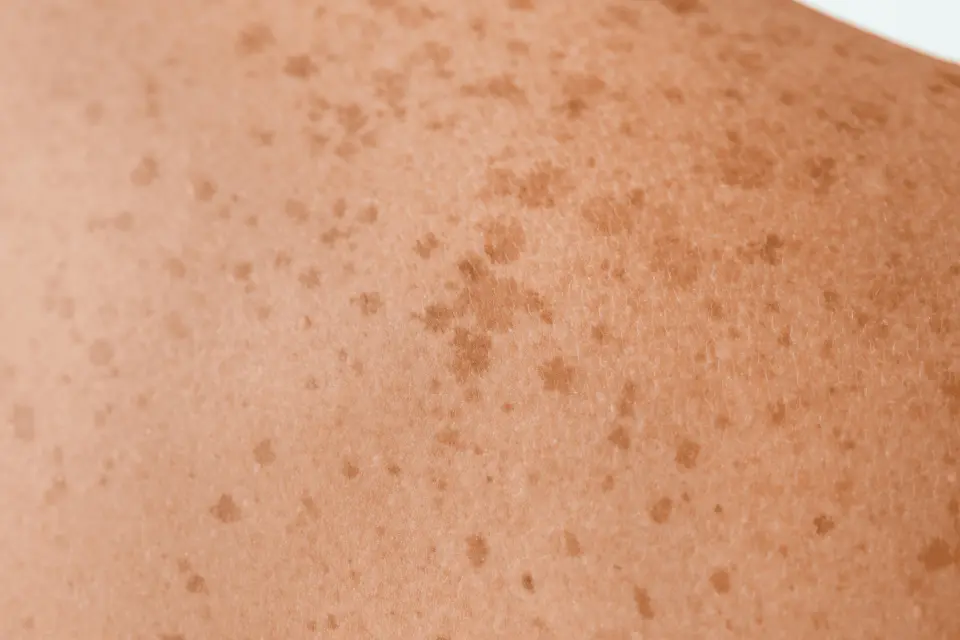
Those flat, brown marks that appear on the hands, face, and shoulders after years of outdoor activity go by many names: age spots, liver spots, solar lentigines. They represent the skin's permanent record of sun exposure, and understanding their formation is the first step toward effective management. Both prevention and treatment options have improved dramatically, and science-backed solutions exist for every budget and preference.
Understanding Why Sun Spots Form
The Role of Melanin and UV Exposure
Melanin is the pigment that gives skin its color. When ultraviolet rays hit the skin, melanocytes produce extra melanin as a protective response, creating a tan in the short term. Repeated UV exposure over the years causes melanin to accumulate unevenly, forming concentrated clusters that appear as dark spots. These spots typically show up on areas that receive the most sun: face, hands, shoulders, and forearms.
Sun Spots vs. Freckles and Melasma
People often confuse these three types of dark spots and hyperpigmentation. Freckles are small, genetic, and often fade during winter months, appearing in childhood and becoming less prominent with age. Sun spots are larger, have defined edges, and stay visible year-round, developing later in life from cumulative sun exposure.
Melasma presents differently with larger patches and irregular borders, often appearing symmetrically on both cheeks or the forehead. Hormonal changes trigger melasma, which is why it commonly appears during pregnancy or while taking birth control. Treatment approaches vary significantly between these conditions, making accurate identification essential.
Common Risk Factors
Fair-skinned individuals develop sun spots more readily, but no skin tone is immune. People over 40 show higher rates simply because they have accumulated more UV exposure. Tanning bed use accelerates spot formation dramatically, and a family history of sun spots increases personal risk.
Effective Prevention Strategies
Broad-Spectrum Sunscreen
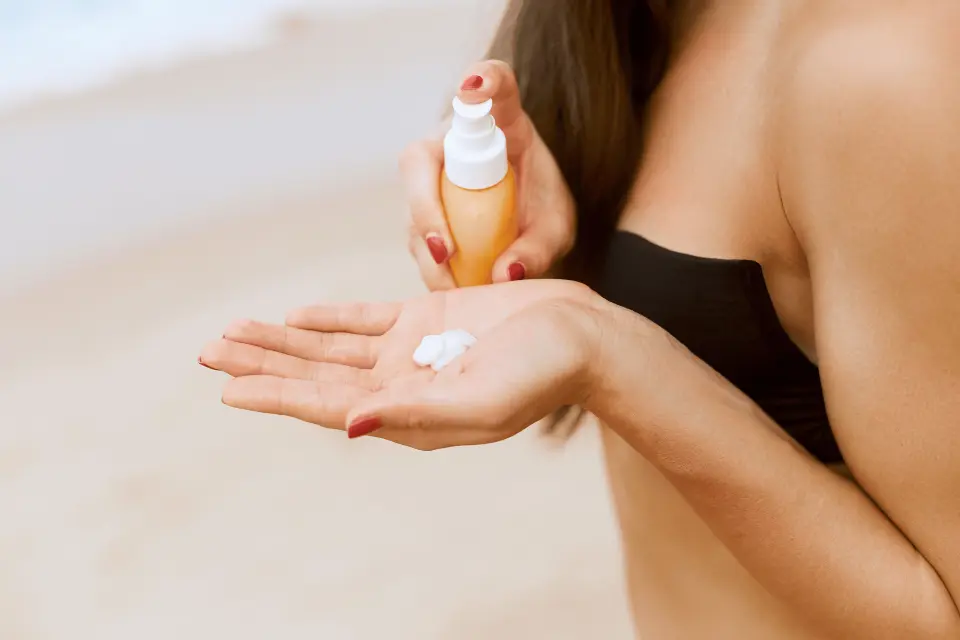
SPF 30 or higher provides strong daily protection, but application matters more than the number on the bottle. Most people apply only 25 to 50 percent of the recommended amount. A full face requires about half a teaspoon of sunscreen, and reapplication every two hours during sun exposure is essential regardless of SPF level. Broad-spectrum protection blocks both UVA and UVB rays, with UVA rays penetrating deeper and causing most pigmentation issues.
Protective Clothing and Lifestyle Habits
Wide-brimmed hats protect the face and neck better than any cream. UPF-rated clothing provides reliable coverage without reapplication concerns. Seeking shade between 10 AM and 4 PM reduces exposure significantly. Standard car windows block most UVB but allow some UVA through, explaining why many people develop more spots on their driving side.
Antioxidants in Skincare
Vitamin C serums applied in the morning boost sunscreen effectiveness and neutralize free radicals from UV exposure. Concentrations of 10 to 20 percent L-ascorbic acid deliver the best results. Vitamin E and ferulic acid enhance vitamin C stability and performance. Dietary antioxidants from colorful fruits and vegetables support skin health from the inside.
See a doctor online today
A licensed doctor can review your symptoms online, talk through next steps, and send a prescription to your pharmacy if appropriate.
- $39 video visit
- Insurance accepted
- 4.8 on Trustpilot
At-Home Topical Treatments
Over-the-Counter Brightening Ingredients
Niacinamide at five percent concentration reduces melanin transfer to skin cells, gradually fading spots over 8 to 12 weeks. Alpha hydroxy acids like glycolic acid speed cell turnover, bringing fresher skin to the surface faster. Kojic acid and arbutin inhibit tyrosinase, the enzyme responsible for melanin production. Consistency matters more than intensity. Gentle daily use produces better results than aggressive occasional application.
Prescription-Strength Options
Tretinoin accelerates cell turnover far beyond what over-the-counter retinol achieves. Hydroquinone at concentrations up to four percent remains a leading option for fading hyperpigmentation, though long-term use requires medical supervision due to potential side effects. Combination creams containing tretinoin, hydroquinone, and a mild steroid offer the fastest at-home results.
Professional Removal Procedures
Laser Therapy and Intense Pulsed Light
Laser treatments target melanin with specific wavelengths of light, breaking up pigment clusters that the body then clears naturally. Q-switched lasers work well for isolated spots, while fractional lasers address broader areas with less downtime. Most patients require two to four sessions spaced four to eight weeks apart for optimal results.
IPL uses broad-spectrum light to treat multiple spots simultaneously and works best on fair skin. Results appear gradually over two to four weeks as treated pigment rises to the surface and flakes away. Exploring the full range of professional and at-home options helps people choose the right approach for their specific situation.
Chemical Peels and Cryotherapy
Medium-depth chemical peels using trichloroacetic acid remove the outer skin layers where most pigmentation resides. Recovery takes 7 to 10 days, but results are dramatic. Lighter peels require multiple sessions but involve minimal downtime.
Cryotherapy freezes individual spots with liquid nitrogen, causing them to blister and peel away. This quick, affordable option works well for isolated sun spots on hands and arms.
Long-Term Maintenance and Monitoring
Fading existing spots means nothing if new ones keep forming. Consistent sun protection must become a permanent habit. Annual skin checks with a dermatologist catch concerning changes early, and self-monitoring between appointments helps track spot evolution. Any spot that changes color, grows rapidly, or develops irregular borders warrants immediate professional evaluation, as these changes can indicate something more serious than simple sun damage.
Frequently Asked Questions
Sun spots themselves are harmless, but they indicate significant UV exposure that increases skin cancer risk. Any spot that changes appearance should be evaluated by a dermatologist to rule out melanoma or other concerns.
Professional treatments can eliminate existing spots, but new ones will form without consistent sun protection. Maintenance requires ongoing prevention and occasional touch-up treatments.
Most people notice their first sun spots in their 40s or 50s, though those with significant childhood sun exposure may develop them earlier. Fair-skinned individuals often see spots sooner.
Over-the-counter products require 8 to 12 weeks of consistent use before visible improvement. Prescription treatments may show results in four to eight weeks.
The Bottom Line
Sun spots result from years of UV exposure and respond well to both prevention strategies and treatment options, ranging from topical products to professional procedures. For personalized guidance on skin health concerns, Doctronic.ai offers telehealth visits with licensed physicians available around the clock.
Related articles
Get advice about sun spots
Chat Now