

Semaglutide vs Tirzepatide: Key Differences
Understanding Semaglutide and TirzepatideSemaglutide and tirzepatide are two modern injectable therapies that have gained attention for their effectiveness in managing type 2 [...]
Read More
Medically reviewed by Alan Lucks | MD, Alan Lucks MDPC Private Practice - New York on January 17th, 2026. Updated on April 30th, 2026
Semaglutide and tirzepatide are injectable medications primarily used to manage type 2 diabetes and support weight loss.
Semaglutide is a GLP-1 receptor agonist, while tirzepatide is a dual GIP and GLP-1 receptor agonist.
Tirzepatide tends to offer greater weight loss and blood sugar control but may have a different side effect profile.
Both medications require a prescription and medical supervision, which can be conveniently accessed through telehealth services like Doctronic.ai.
Understanding the differences helps patients and providers choose the right treatment based on individual health goals and tolerance.
Semaglutide and tirzepatide are two modern injectable therapies that have gained attention for their effectiveness in managing type 2 diabetes and obesity. Both belong to a class of drugs that mimic hormones involved in blood sugar regulation and appetite control, but they work in slightly different ways.
Semaglutide is a glucagon-like peptide-1 (GLP-1) receptor agonist, which means it activates receptors that help increase insulin secretion, reduce glucagon release, and slow gastric emptying. This leads to better blood sugar control and reduced appetite. Clinical studies have shown that patients using semaglutide can achieve significant weight loss, which is a crucial aspect of managing type 2 diabetes. It has been associated with cardiovascular benefits, making it a compelling option for patients with coexisting heart conditions.
Tirzepatide, on the other hand, is unique because it targets two receptors: glucose-dependent insulinotropic polypeptide (GIP) and GLP-1. This dual action can enhance insulin secretion and improve metabolic control more comprehensively than GLP-1 agonists alone. Early research indicates that tirzepatide may lead to even greater weight loss compared to semaglutide, which is particularly beneficial for individuals struggling with obesity. The combined effects of GIP and GLP-1 may improve post-meal blood sugar levels, providing a more stable glucose response throughout the day.
Both medications have been shown to be well-tolerated, with the most common side effects being gastrointestinal in nature, such as nausea and diarrhea. These side effects often diminish over time as the body adjusts to the medication. It's also worth noting that the introduction of these therapies has sparked interest in the broader implications of GLP-1 and GIP receptor modulation, leading to ongoing research into their potential applications beyond diabetes and obesity, including non-alcoholic fatty liver disease and neurodegenerative disorders. As our understanding of these pathways deepens, the future of metabolic disease management looks increasingly promising.
Semaglutide activates GLP-1 receptors, which are naturally involved in regulating blood sugar after meals. By mimicking this hormone, semaglutide helps the pancreas release insulin when blood sugar is high and suppresses glucagon, a hormone that raises blood sugar. This action not only aids in maintaining optimal glucose levels but also contributes to a feeling of fullness, which can help reduce overall caloric intake.
Tirzepatide activates both GIP and GLP-1 receptors. GIP is another hormone that stimulates insulin release and may have additional effects on fat metabolism. This dual receptor activation is thought to provide stronger effects on blood sugar control and weight loss. The interaction of tirzepatide with these receptors may also enhance the body’s sensitivity to insulin, making it a promising option for individuals struggling with insulin resistance, a common issue in type 2 diabetes.
Both medications improve blood sugar control by enhancing insulin secretion and reducing appetite, which often leads to weight loss. Clinical studies have shown that tirzepatide may result in greater reductions in HbA1c (a measure of long-term blood sugar) and more significant weight loss compared to semaglutide. This is particularly important as weight management plays a crucial role in the overall treatment of type 2 diabetes, where excess weight can exacerbate insulin resistance and complicate blood sugar management.
The weight loss associated with these medications can lead to improvements in other metabolic parameters, such as lipid profiles and blood pressure. Patients often report enhanced energy levels and improved quality of life as they achieve their weight loss goals. The ongoing research into the long-term effects of these medications continues to reveal their potential benefits beyond glycemic control, including their impact on cardiovascular health and overall metabolic function, making them a significant focus in diabetes management strategies.
In clinical trials, tirzepatide has demonstrated superior reductions in HbA1c levels compared to semaglutide. This means it may be more effective for some patients in managing type 2 diabetes. Semaglutide remains a highly effective option and has a longer track record of use.
Weight loss is a key benefit of both drugs, especially for patients with obesity or overweight conditions linked to diabetes. Tirzepatide users often experience more pronounced weight loss, sometimes exceeding 20% of body weight in clinical settings. Semaglutide also supports significant weight loss, but typically to a slightly lesser degree.
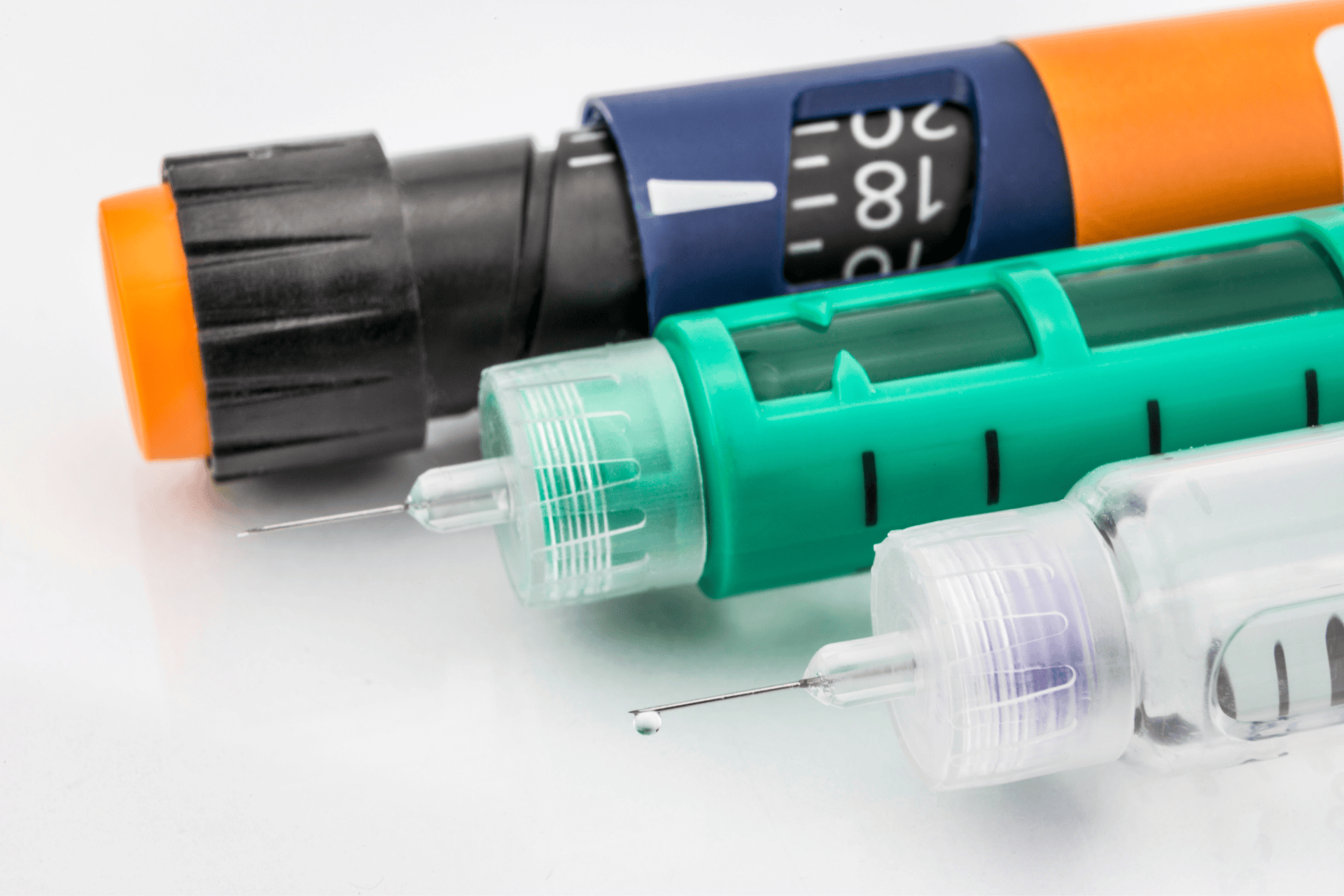
Both medications are administered via subcutaneous injection, usually once weekly. Semaglutide is available in several brand forms, including oral tablets and injectable versions, though the injectable form is more commonly used for diabetes and weight loss. Tirzepatide is currently injectable only.
Both semaglutide and tirzepatide can cause gastrointestinal side effects such as nausea, vomiting, diarrhea, and constipation. These symptoms often improve over time as the body adjusts to the medication.
Tirzepatide may have a slightly higher incidence of gastrointestinal discomfort due to its dual hormone action, but individual tolerance varies.
Both drugs carry warnings about potential risks such as pancreatitis and thyroid tumors, though these are rare. Patients with a history of medullary thyroid carcinoma or multiple endocrine neoplasia syndrome type 2 should avoid these medications.
Regular monitoring by a healthcare provider is essential to ensure safety and effectiveness.
 Accessing Semaglutide and Tirzepatide Through Telehealth
Obtaining these medications requires a prescription and medical evaluation. Telehealth platforms like Doctronic.ai offer a convenient way to consult licensed doctors from home. Through virtual visits, patients can discuss symptoms, medical history, and treatment goals to determine if semaglutide or tirzepatide is appropriate.
Doctronic.ai provides affordable telehealth visits across all 50 states, making it easier to get expert advice and prescriptions without the hassle of in-person appointments. This approach supports timely access to care, especially for those managing chronic conditions like diabetes.
Health Goals: If weight loss is a primary goal, tirzepatide may offer stronger results.
Tolerance: Side effect profiles differ, so personal tolerance matters.
Cost and Insurance: Coverage may vary; discussing options with a healthcare provider is important.
Medical History: Certain conditions may contraindicate one medication over the other.
Deciding on the best medication involves a thorough discussion with a healthcare professional. Telehealth services like Doctronic.ai can help facilitate this conversation, providing personalized recommendations based on the latest medical research and your unique health profile.
Both semaglutide and tirzepatide represent advances in diabetes and weight management therapy. Their differences in mechanism and effects offer patients and providers choices tailored to specific needs. Accessing these medications through telehealth services such as Doctronic.ai can simplify the process, bringing expert care directly to your home.
Choosing the right medication depends on your health goals, medical history, and lifestyle. A trusted healthcare provider can help navigate these options to find the best fit for you.
Switching medications should be done under medical supervision. Your doctor can guide you on safely transitioning if tirzepatide is a better fit for your treatment goals.
Not everyone is a candidate. People with a certain thyroid cancer or pancreatitis history should avoid these drugs. A healthcare provider can evaluate your suitability.
Patients often see improvements in blood sugar within weeks. Weight loss effects may take several months to become noticeable.
Yes, but costs vary. Telehealth platforms like Doctronic.ai offer affordable consultations and can help navigate prescription options.
They can reduce the need for insulin in some patients, but do not replace it entirely for everyone. Treatment plans are individualized.
Semaglutide and tirzepatide are both effective options for managing type 2 diabetes and weight loss, with tirzepatide often delivering greater results due to its dual-hormone action. The best choice depends on your goals, tolerance, and medical history guidance easily accessible through telehealth platforms like Doctronic.ai.
Understanding Semaglutide and TirzepatideSemaglutide and tirzepatide are two modern injectable therapies that have gained attention for their effectiveness in managing type 2 [...]
Read More
Join 50,000+ readers using Doctronic to understand symptoms, medications,
and next steps.
Add your phone number below to get health updates and exclusive VIP offers.
By providing your phone number, you agree to receive SMS updates from Company. Message and data rates may apply. Reply “STOP” to opt-out anytime. Read our Privacy Policy and Terms of Service for more details.
Save your consults. Talk with licensed doctors and manage your health history.
