
Meniscus Tear: Symptoms, Treatment, and Recovery

Medically reviewed by Alan Lucks | MD, Alan Lucks MDPC Private Practice - New York on May 17th, 2026.
Published on March 21st, 2026. Updated on July 23rd, 2026.
Key takeaways
Meniscus tears cause knee pain, swelling, and catching sensations that worsen with twisting motions
Conservative treatment with rest, ice, and physical therapy resolves 80% of meniscus tears without surgery
Recovery time ranges from 3-6 weeks for minor tears to 4-6 months for surgical repairs
Age and tear location determine whether the meniscus can heal naturally or requires surgical intervention
A meniscus tear is one of the most common knee injuries, affecting the C-shaped cartilage that cushions your knee joint. Whether you're an athlete who felt a pop during practice or someone experiencing gradual knee pain, understanding the symptoms and treatment options helps you make informed decisions about your knee health. With over 22 million AI consultations completed, Doctronic can help you navigate meniscus tear symptoms and connect you with the right treatment approach.
What Is a Meniscus Tear?
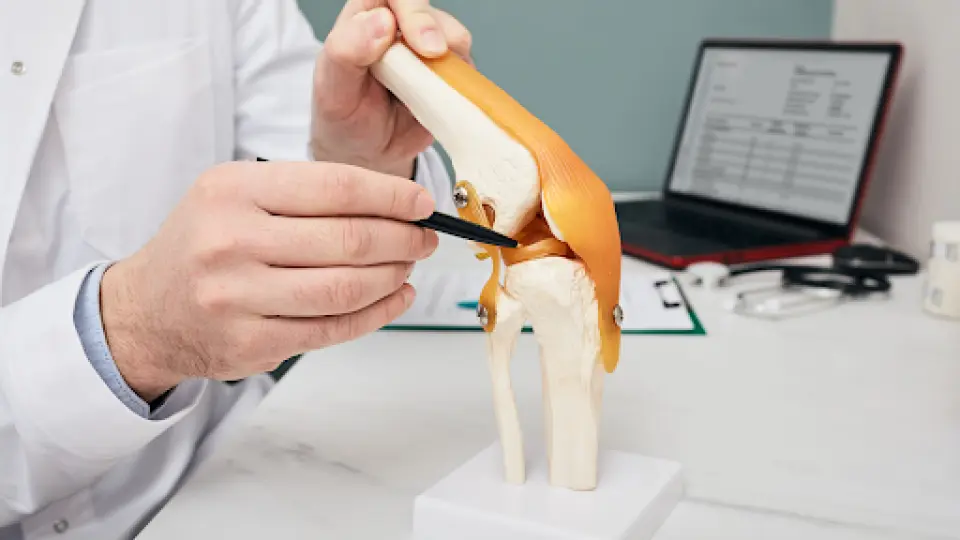
The meniscus is a C-shaped piece of cartilage that acts as a shock absorber between your thighbone (femur) and shinbone (tibia). Each knee has two menisci: the medial meniscus on the inner side and the lateral meniscus on the outer side. These structures distribute weight evenly across your knee joint and provide stability during movement.
Meniscus tears occur through various mechanisms. Acute tears typically happen from sudden pivoting, deep squatting, or direct impact during sports activities. Degenerative tears develop gradually over time as the cartilage weakens with age and repeated stress. The tear pattern significantly affects treatment decisions, with bucket handle tears, flap tears, and radial tears each presenting unique challenges for healing.
Just as rotator cuff tear treatment requires understanding of shoulder anatomy, meniscus repair depends on recognizing which part of the cartilage is damaged. The outer third of the meniscus has good blood supply and can heal naturally, while the inner two-thirds lack blood flow and rarely heal without intervention.
When to Suspect a Meniscus Tear
Sharp knee pain during twisting or pivoting movements often signals a meniscus injury. This pain typically worsens when you change direction quickly or rotate your knee under weight. Athletes frequently report feeling a "pop" in their knee at the moment of injury, followed by immediate pain and difficulty continuing activity.
Knee swelling develops within 24 to 48 hours after a meniscus tear. This swelling may be mild initially but often increases over the first few days. Unlike other knee injuries that cause immediate dramatic swelling, meniscus tears tend to produce gradual fluid accumulation as the torn cartilage irritates the joint lining.
Mechanical symptoms distinguish meniscus tears from other knee problems. Your knee may lock in a bent position, preventing full extension. You might experience a catching sensation when walking or feel like your knee could give way unexpectedly. Some people describe feeling like something is loose inside their knee joint, especially when climbing stairs or squatting.
Talk to a doctor about meniscus tear
Connect with a licensed doctor online to talk through your symptoms, understand your treatment options, and find out which medications may be available through telehealth.
- $39 video visit
- Insurance accepted
- 4.8 on Trustpilot
How Meniscus Tear Diagnosis Works
Physical examination provides the first clues about meniscus damage. The McMurray test involves rotating your foot while bending and straightening your knee, listening for clicking sounds or reproducing your pain. Joint line tenderness, where the meniscus sits between your bones, helps pinpoint the injury location. Your doctor will also check for swelling, range of motion limitations, and knee stability.
MRI imaging reveals tear location, size, and pattern for treatment planning. This detailed imaging shows the exact tear configuration and helps determine whether the meniscus can potentially heal or requires surgical intervention. MRI accuracy for meniscus tears reaches 90-95%, making it the gold standard for diagnosis when physical examination suggests injury.
X-rays rule out bone fractures and assess overall joint health. While X-rays don't show soft tissue like meniscus cartilage, they help identify arthritis, bone spurs, or other structural problems that might influence treatment decisions. In some cases, arthroscopy provides definitive diagnosis when MRI results are unclear or don't match clinical symptoms.
Meniscus Tear Treatment Options
Conservative treatment begins with the RICE protocol: rest, ice, compression, and elevation. Rest means avoiding activities that worsen your symptoms, while ice application for 15-20 minutes several times daily reduces swelling and pain. Elastic bandages provide compression, and elevating your leg helps fluid drain from the injured area.
Physical therapy focuses on quadriceps strengthening and range of motion restoration. Strong thigh muscles support your knee joint and compensate for meniscus damage. Specific exercises target the vastus medialis oblique, the inner quadriceps muscle that stabilizes your kneecap. Range of motion exercises prevent stiffness and maintain joint function during healing.
Arthroscopic meniscectomy removes torn meniscus pieces that cause mechanical symptoms. This outpatient procedure uses small incisions and a camera to visualize the tear and trim damaged cartilage. Recovery typically takes 4-6 weeks, with gradual return to activities based on pain levels and function.
Meniscus repair surgery attempts to preserve cartilage by stitching tears together. This option works best for tears in the outer zone with good blood supply and younger patients whose cartilage has better healing potential. Recovery takes 3-4 months due to restrictions needed to protect the repair while healing occurs.
Surgery vs. Conservative Treatment Comparison
The decision between surgical and non-surgical treatment depends on multiple factors including age, activity level, and tear characteristics. Research shows that conservative treatment success rates are higher for degenerative tears in patients over 40, while surgery benefits younger athletes with acute traumatic tears causing significant mechanical symptoms.
Factor |
Conservative Treatment |
Surgery |
|---|---|---|
Recovery Time |
3-6 weeks |
3-6 months |
Success Rate |
80% for degenerative tears |
90% for appropriate candidates |
Best Candidates |
Age >40, degenerative tears |
Young athletes, mechanical symptoms |
Long-term Outcomes |
Gradual improvement |
Faster return to sports |
Conservative management is preferred when functional improvement occurs within 6-8 weeks of starting treatment. Many patients find that symptoms resolve completely with proper rehabilitation, avoiding surgical risks and lengthy recovery periods. However, persistent mechanical symptoms like locking or catching often require arthroscopic intervention for optimal outcomes.
Surgery becomes necessary when conservative treatment fails to provide adequate pain relief or restore function after 8-12 weeks. Unlike conditions such as blocked tear ducts that may resolve spontaneously, meniscus tears causing true mechanical symptoms rarely improve without surgical correction.
Frequently Asked Questions
Yes, many meniscus tears heal without surgery, especially degenerative tears in older patients. The outer portion of the meniscus has good blood supply and can heal naturally with proper rest and rehabilitation. Conservative treatment succeeds in about 80% of cases when mechanical symptoms are absent.
MRI demonstrates 90-95% accuracy for meniscus tear diagnosis when performed on appropriate imaging equipment. However, MRI can sometimes show degenerative changes that don't cause symptoms, so correlation with physical examination findings is essential for proper treatment decisions and avoiding unnecessary procedures.
Conservative treatment typically costs $500-2,000 including physical therapy sessions, while arthroscopic meniscus surgery ranges from $5,000-15,000 depending on your location and insurance coverage. Most insurance plans require attempting conservative treatment before approving surgical intervention for meniscus tears.
Most orthopedic surgeons recommend 6-12 weeks of conservative treatment before considering surgery, unless you have severe mechanical symptoms like knee locking. This timeframe allows adequate healing opportunity while preventing prolonged disability. Persistent pain or functional limitations after this period may warrant surgical evaluation.
Low-impact activities like swimming, cycling, or walking are often possible with meniscus tears, but high-impact sports should be avoided until healing occurs. Pain should guide your activity level - if movements cause knee pain or swelling, they're likely too aggressive. Gradual return to full activity follows successful treatment.
The Bottom Line
Meniscus tears represent a common but manageable knee injury that responds well to appropriate treatment selection. While the prospect of knee surgery can seem daunting, most meniscus tears actually heal successfully with conservative management including rest, physical therapy, and activity modification. The key lies in accurate diagnosis and matching treatment to tear characteristics, patient age, and functional demands. Surgery remains valuable for specific situations involving mechanical symptoms or young athletes, but evidence strongly supports trying conservative approaches first for most patients. Early recognition of symptoms and proper treatment guidance optimize recovery outcomes and preserve long-term knee function. Doctronic's AI technology, with 99.2% treatment plan alignment with board-certified physicians, can help you understand your meniscus tear symptoms and guide you toward the most appropriate treatment path for your specific situation.
Ready to take control of your health? Get started with Doctronic today.
Related articles
Check symptoms of meniscus tear
Chat Now