
Melasma Treatment: What Actually Fades Dark Patches

Medically reviewed by Alan Lucks | MD, Alan Lucks MDPC Private Practice - New York on May 17th, 2026.
Published on March 21st, 2026. Updated on July 23rd, 2026.
Key takeaways
Melasma requires consistent treatment over 3-6 months to see significant fading
Hydroquinone remains the gold standard topical treatment for melasma dark spots
Combination therapy produces better results than single treatments alone
Sun protection is essential for any melasma treatment to be effective
Melasma's stubborn dark patches can feel impossible to treat, but understanding which therapies actually work can help you create an effective treatment plan. These symmetrical brown patches that appear on the face affect millions of people worldwide, particularly women during pregnancy or while taking hormonal medications. While melasma can be challenging to treat, the right approach combined with patience can lead to significant improvement.
The key to successful melasma treatment lies in understanding that this condition requires a multi-faceted approach. Unlike other forms of hyperpigmentation, melasma often involves deeper layers of skin and is influenced by ongoing hormonal fluctuations. With proper treatment selection and consistent application, most people can achieve noticeable fading within 3-6 months.
What Is Melasma and Why It Forms
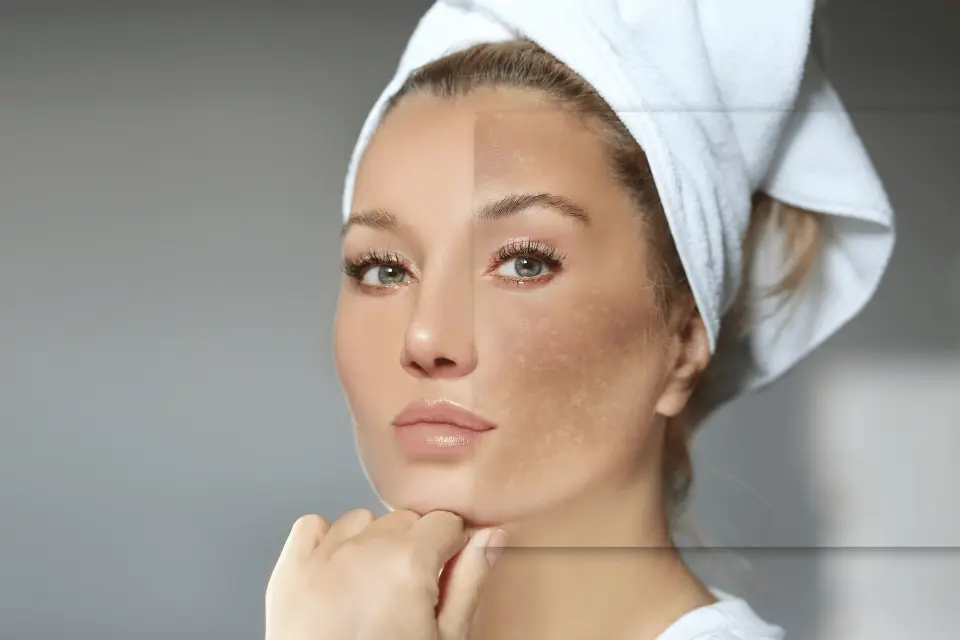
Melasma is a hormone-triggered hyperpigmentation condition that appears as symmetrical brown patches on the face, most commonly on the cheeks, forehead, bridge of the nose, and upper lip. Unlike other skin conditions such as skin cancer, melasma is benign but can significantly impact quality of life due to its visible nature.
The condition develops when estrogen and progesterone fluctuations stimulate melanocyte overproduction, causing excess melanin to accumulate in specific facial areas. This explains why melasma is often called "the mask of pregnancy," affecting up to 70% of pregnant women. Hormonal birth control and hormone replacement therapy can also trigger melasma development.
UV exposure plays a crucial role in both triggering and worsening existing melasma by further stimulating melanin production. Even brief sun exposure can darken existing patches and make treatment more difficult. The depth of pigmentation also affects treatment success, with deeper dermal melasma proving more treatment-resistant than superficial epidermal melasma.
When Melasma Treatment Works Best
Timing plays a critical role in melasma treatment success. Early intervention within 6 months of onset typically shows better response rates than treating chronic melasma that has been present for years. Fresh melasma patches respond more readily to topical treatments because the pigmentation hasn't had time to penetrate deeply into the dermis.
For pregnancy-related melasma, treatment should ideally begin after breastfeeding ends and hormone levels stabilize. Attempting treatment during ongoing hormonal fluctuations often leads to disappointing results because the underlying trigger remains active. Similar to how conditions like cold sores can be triggered by stress, melasma responds poorly to treatment when hormonal triggers persist.
Fall and winter seasons provide optimal conditions for melasma treatment due to reduced UV exposure during these months. Starting treatment during high-sun seasons often leads to treatment failure or worsening of pigmentation. Most dermatologists recommend beginning aggressive melasma treatment in October or November for best results.
Get melasma treatment online today
A licensed doctor can review your symptoms and send a prescription to your pharmacy, often the same day.
- $39 video visit
- Insurance accepted
- 4.8 on Trustpilot
Related medications we prescribe
- Retin-A tretinoin
- Glycolic Acid glycolic acid
- Tazorac tazarotene
- Fluocinolone Hydroquinone Tretinoin
How Melasma Treatment Reduces Dark Patches
Effective melasma treatments work through several mechanisms to reduce pigmentation. Topical depigmenting agents like hydroquinone inhibit the tyrosinase enzyme, which is essential for melanin synthesis. By blocking this enzyme, these treatments prevent new melanin formation while existing pigment naturally sheds through normal skin cell turnover.
Chemical peels accelerate cell turnover to shed pigmented surface cells more rapidly than natural exfoliation would allow. This process brings deeper, less pigmented cells to the surface while removing heavily pigmented surface layers. Different peel strengths target various depths of pigmentation.
Laser treatments target melanin deposits with specific wavelengths to fragment pigment particles, allowing the body's natural processes to clear the broken-down pigment. However, laser treatments for melasma require careful selection because inappropriate laser use can worsen pigmentation rather than improve it.
Combination approaches address multiple pathways simultaneously for enhanced pigment reduction. Unlike single-agent treatments, combination therapy attacks melasma formation from several angles, leading to more effective and sustained results.
Proven Treatment Options That Deliver Results
The triple combination cream containing hydroquinone, tretinoin, and a mild corticosteroid remains the gold standard for melasma treatment, showing 70-80% improvement in 12 weeks when used consistently. This combination addresses pigment production, cell turnover, and inflammation simultaneously.
Chemical peels with glycolic acid or trichloroacetic acid (TCA) provide 40-60% improvement when combined with topical treatments. These peels remove pigmented surface layers while stimulating collagen production and improving overall skin texture. The depth of peel determines the level of improvement but also affects recovery time.
Q-switched lasers and intense pulsed light (IPL) can reduce stubborn patches that don't respond to topical treatments alone. However, these treatments carry risks of post-inflammatory hyperpigmentation, particularly in darker skin tones. Proper patient selection and conservative treatment parameters are essential for success.
Tranexamic acid, both topical and oral forms, offers new hope for treatment-resistant melasma cases. This medication works differently from traditional treatments by inhibiting plasmin and reducing inflammation that contributes to melasma formation.
Professional vs. Over-the-Counter Options
Treatment Type |
Professional |
Over-the-Counter |
Effectiveness Timeline |
|---|---|---|---|
Hydroquinone |
4% prescription strength |
2% maximum strength |
3-4 months vs 6-8 months |
Chemical Peels |
TCA, deep glycolic peels |
Mild fruit acid peels |
2-3 treatments vs ongoing use |
Laser Treatment |
Q-switched, fractional lasers |
Light therapy devices |
3-5 sessions vs limited results |
Prescription hydroquinone at 4% concentration shows significantly better results than over-the-counter versions limited to 2% strength. The higher concentration provides more effective tyrosinase inhibition, leading to faster and more complete pigment reduction.
Professional chemical peels penetrate deeper and provide more dramatic improvement than at-home peels. While home peels offer convenience, they lack the strength necessary to address deeper melasma pigmentation effectively.
Over-the-counter alternatives like kojic acid, vitamin C, and arbutin provide mild improvement but require much longer treatment periods to achieve noticeable results. These gentler options work well for maintenance after professional treatment or for those who cannot tolerate stronger treatments.
Frequently Asked Questions
Most people begin seeing improvement after 6-8 weeks of consistent treatment, with significant results visible at 3-4 months. Complete clearing may take 6-12 months depending on the depth and extent of pigmentation.
Hydroquinone is safe for extended use when properly supervised by a healthcare provider. Taking breaks every 3-4 months helps prevent potential side effects while maintaining treatment effectiveness over time.
Most insurance plans consider melasma treatment cosmetic and don't provide coverage. However, some plans may cover initial consultations if melasma is causing psychological distress or affecting quality of life significantly.
Treatment options are limited during pregnancy and breastfeeding due to safety concerns. Sunscreen and physical sun protection are the safest approaches until after breastfeeding ends and hormones stabilize.
Daily broad-spectrum sunscreen with SPF 30 or higher, protective clothing, and maintenance topical treatments help prevent recurrence. Avoiding unnecessary hormone exposure and managing stress also support long-term results.
The Bottom Line
Effective melasma treatment requires patience, consistency, and often a combination of approaches to achieve meaningful results. While this condition can be stubborn, proven treatments like hydroquinone combinations, professional chemical peels, and carefully selected laser therapies can provide significant improvement when used appropriately. Success depends on choosing the right treatment approach for your specific melasma type, maintaining strict sun protection throughout the process, and having realistic expectations about treatment timelines. Most people see noticeable improvement within 3-6 months of dedicated treatment, though complete clearing may take longer. Working with a healthcare provider ensures you receive appropriate treatment recommendations based on your skin type, melasma severity, and individual circumstances. Doctronic's experienced medical team can help you develop a personalized melasma treatment plan and monitor your progress throughout your journey to clearer skin.
Ready to take control of your health? Get started with Doctronic today.
Related articles
Explore treatment options
Chat Now