Mental Health
How to Calm an Anxiety Attack: Techniques That Work in the Moment
April 17, 2026
6 min read

Medically reviewed by Lauren Okafor | MD, The Frank H Netter MD School of Medicine, Loyola University Medical Center on April 12th, 2026.
Published on March 25th, 2026. Updated on July 23rd, 2026.
Knee weakness stems from injuries, degenerative conditions, and lifestyle habits that can often be prevented or managed with the right approach
Symptoms like swelling, grinding sounds, and instability signal the need for evaluation and intervention
Strengthening the quadriceps, hamstrings, hips, and glutes provides critical support for knee stability
Treatment options range from the R.I.C.E. method to physical therapy and medical interventions
Long-term knee health depends on weight management, proper nutrition, and appropriate exercise selection
Experiencing persistent knee pain or instability? Doctronic.ai connects you with licensed physicians through telehealth to evaluate your symptoms and recommend next steps
Knee pain and weakness affect people at every stage of life. Whether it comes from a sports injury, years of wear and tear, or simply the natural aging process, understanding how to strengthen knees starts with knowing what causes them to weaken in the first place. The knee joint relies on a complex network of muscles, ligaments, tendons, and cartilage working together. When any component falls short, the entire system feels the impact. Strengthening the structures around the knee is one of the most effective ways to reduce pain, improve stability, and protect against future injury.
Acute injuries like ACL tears and meniscus damage frequently result from sports, falls, or sudden twisting motions. These injuries destabilize the knee and require rehabilitation to restore function. Overuse injuries develop gradually from repetitive stress, common in runners, cyclists, and people who stand for long periods. Patellofemoral pain syndrome, often called runner's knee, results from improper tracking of the kneecap during movement.
Osteoarthritis remains the most common degenerative knee condition, affecting millions of Americans. Cartilage gradually wears away, reducing the cushioning between bones. This process accelerates with excess body weight, previous injuries, and genetic predisposition. The resulting bone-on-bone contact produces pain, stiffness, and reduced mobility that worsen progressively without intervention.
Muscle strength and neuromuscular control related to knee health can begin to decline as early as the 30s, accelerating after 50. Sedentary lifestyles compound this natural decline by allowing supporting muscles to atrophy. Excess body weight adds mechanical stress to already weakened structures. Each pound of body weight translates to roughly four pounds of force across the knee joint during walking.
The location and timing of knee pain provide important diagnostic clues. Pain along the inner knee often indicates medial meniscus issues or medial collateral ligament strain. Pain beneath the kneecap suggests patellofemoral problems. Pain that worsens when going downstairs points toward cartilage damage. Morning stiffness lasting more than 30 minutes may signal inflammatory arthritis. Doctronic.ai can help patients assess their pain patterns and determine whether professional evaluation is needed.
Crepitus, the medical term for grinding or crunching sounds, often accompanies knee movement in damaged joints. Occasional popping without pain may be harmless. Frequent popping with discomfort suggests cartilage damage or loose bodies within the joint. These sounds provide valuable diagnostic information.
When knees buckle unexpectedly or feel like they might give way, ligament damage or severe muscle weakness is likely present. Difficulty fully bending or straightening the knee indicates mechanical problems. These functional limitations affect quality of life and increase fall risk, particularly in older adults.
Strong muscles around the knee absorb shock and stabilize the joint during movement. The right exercises make a measurable difference.
Quadriceps, the large muscles on the front of the thigh, serve as the primary shock absorbers for the knee. Straight leg raises, wall sits, and terminal knee extensions build quad strength without excessive joint stress. Hamstrings on the back of the thigh provide crucial balance to quad strength. Hamstring curls, bridges, and deadlift variations strengthen these muscles effectively. Balanced strength between these muscle groups prevents the tracking issues that cause patellofemoral pain.
Weak hips and glutes allow the knee to collapse inward during movement, creating harmful alignment patterns. Clamshells, lateral band walks, and single-leg Romanian deadlifts target the gluteus medius, which controls knee alignment during weight-bearing activities. Hip strengthening reduces knee stress by improving the mechanical chain from the pelvis to the foot.
Low-impact activities maintain cardiovascular fitness and promote joint health without excessive stress. Cycling strengthens the quadriceps through a controlled range of motion. Swimming provides resistance training with zero joint compression. Walking on flat surfaces maintains mobility and promotes circulation to healing tissues. These activities form the foundation of any knee rehabilitation program.
Rest, Ice, Compression, and Elevation address acute knee pain effectively. Apply ice for 15 to 20 minutes several times daily during flare-ups. Compression wraps reduce swelling. Elevation above heart level promotes fluid drainage. Over-the-counter anti-inflammatory medications like ibuprofen or naproxen provide temporary pain relief while addressing inflammation.
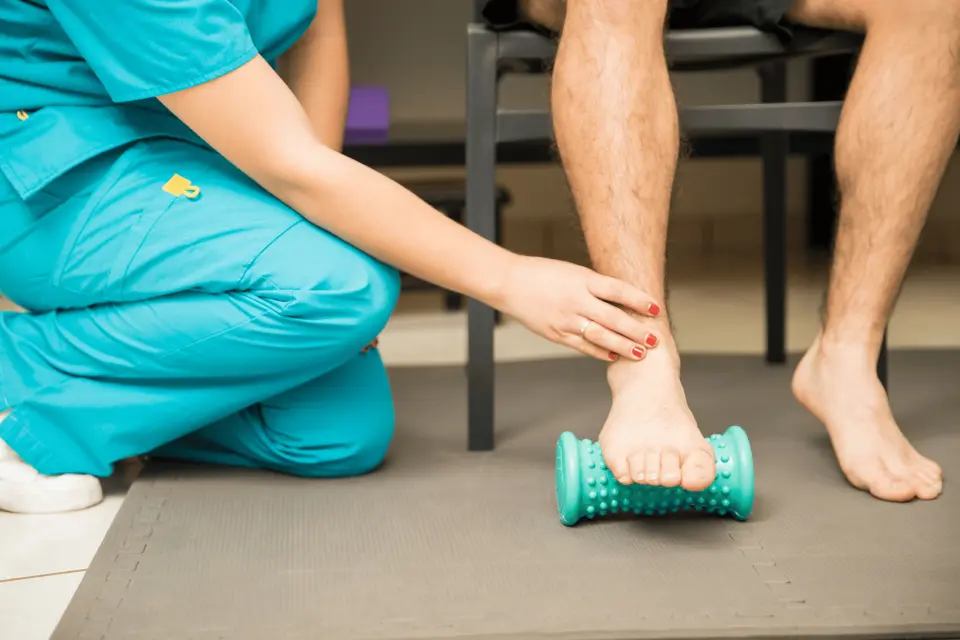
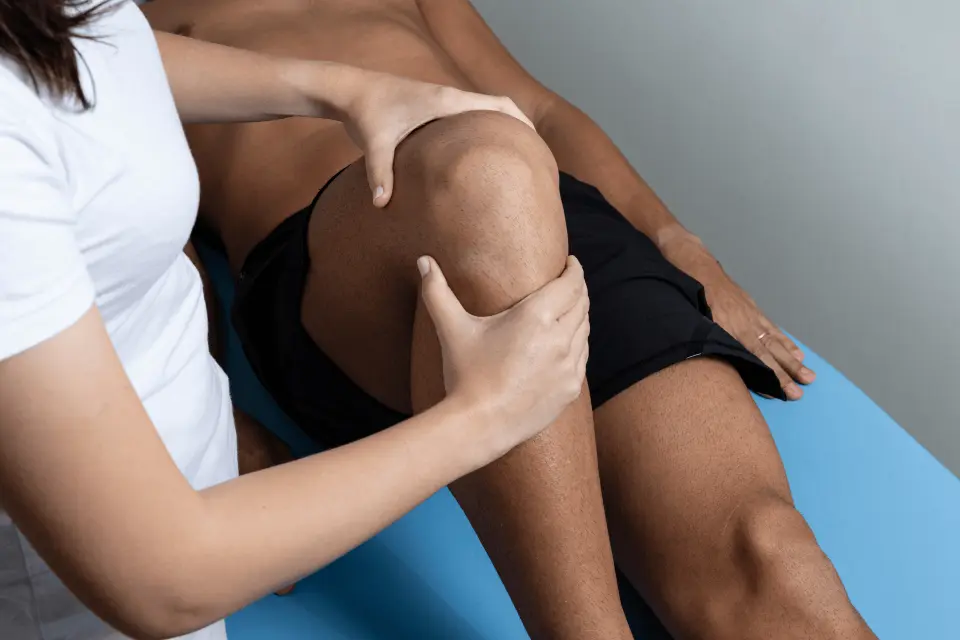
Physical therapy provides structured, progressive rehabilitation tailored to specific knee conditions. Therapists assess movement patterns, identify contributing weaknesses, and design targeted exercise programs. Manual therapy techniques, including joint mobilization and soft tissue work, complement exercise programs. Most insurance plans cover physical therapy with a physician referral.
Genicular artery embolization and PRP injections represent emerging knee arthritis treatments. Corticosteroid injections provide temporary relief for inflammatory flare-ups. Hyaluronic acid injections aim to improve joint lubrication. Surgery becomes necessary when conservative treatments fail to provide adequate relief. Arthroscopy addresses meniscus tears and loose bodies. Partial or total knee replacement offers a lasting solution for severe osteoarthritis that significantly limits daily activities.
Sustained knee health requires an ongoing commitment to strength, mobility, and smart lifestyle choices. Maintain a healthy body weight to minimize mechanical stress. Continue strengthening exercises at least three times per week, even after symptoms resolve. Choose appropriate footwear for your activities and replace worn shoes regularly. Listen to your body and modify activities when pain signals emerge. Annual check-ups with a healthcare provider help catch problems before they become severe. Doctronic.ai makes it easy to consult with physicians about knee concerns through convenient telehealth visits available anytime.
Minor cartilage damage may improve with proper treatment. Cartilage loss from osteoarthritis cannot currently be reversed, though regenerative treatments like stem cell and PRP therapy are being studied for symptom improvement. Early intervention produces better outcomes.
Seek medical attention for severe pain, inability to bear weight, significant swelling, visible deformity, or symptoms that persist beyond two weeks despite home treatment.
Glucosamine and chondroitin show mixed results in research. Some people report benefit. Collagen supplements may support joint health. Discuss supplements with a healthcare provider before starting.
High-impact activities like running and jumping stress damaged knees. Deep squats and lunges may aggravate certain conditions. Activities that cause pain should be modified or avoided until healing occurs.
Strong knees depend on consistent effort, the right exercises, and smart lifestyle choices. Whether you are recovering from an injury or working to prevent one, building strength in the muscles that support the knee joint makes the biggest difference. For personalized guidance on knee pain, exercise modifications, or whether your symptoms need medical evaluation, visit Doctronic.ai for convenient telehealth consultations with licensed physicians available 24/7.
Check your symptoms
Chat Now
Join 50,000+ readers using Doctronic to understand symptoms, medications,
and next steps.
Add your phone number below to get health updates and exclusive VIP offers.
By providing your phone number, you agree to receive SMS updates from Company. Message and data rates may apply. Reply “STOP” to opt-out anytime. Read our Privacy Policy and Terms of Service for more details.
Save your consults. Talk with licensed doctors and manage your health history.