How To Stop Sneezing Instantly: What You Need to Know
March 19, 2026
5 min read

Medically reviewed by Alan Lucks | MD, Alan Lucks MDPC Private Practice - New York on May 5th, 2026.
Published on March 19th, 2026. Updated on July 24th, 2026.
Pressing your tongue to the roof of your mouth may interrupt the sneeze reflex quickly
Most sneezing episodes are triggered by allergens, irritants, or viral infections
Chronic sneezing lasting more than two weeks may require medical evaluation
Nasal saline rinses can prevent sneezing by removing triggers from nasal passages
Sneezing is your body's natural defense mechanism, but persistent episodes can disrupt daily life and signal underlying health issues requiring attention. Whether you're dealing with seasonal allergies, a cold, or unexplained sneeze attacks, understanding how to control this reflex can improve your comfort and social interactions.
From boardroom presentations to romantic dinners, unwanted sneezing can strike at the most inconvenient moments. While occasional sneezing is perfectly normal, frequent episodes may indicate allergies, infections, or environmental sensitivities that need addressing. The good news is that both immediate relief techniques and long-term management strategies can help you regain control over this involuntary response.
The sneeze reflex begins when irritants enter your nasal passages, triggering specialized nerve endings called trigeminal receptors. These receptors send signals to your brain stem, which coordinates the complex sequence of muscle contractions that create a sneeze. This entire process takes just milliseconds, making it challenging to stop once it begins.
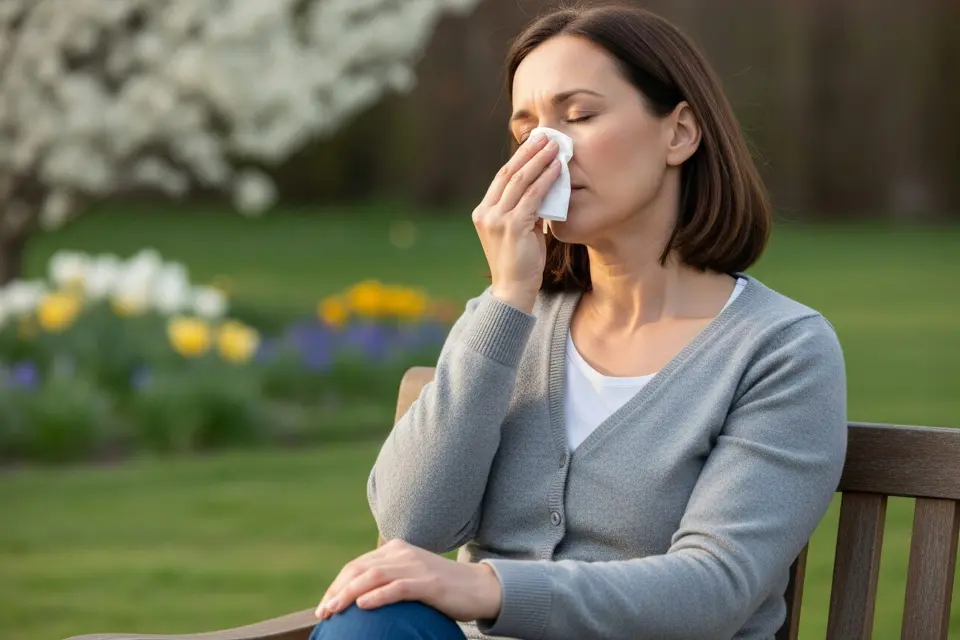
Environmental allergens rank as the most common sneeze triggers. Pollen from trees, grasses, and weeds can cause seasonal sneezing episodes, while year-round culprits include dust mites, pet dander, and mold spores. These microscopic particles irritate sensitive nasal tissues, leading to inflammation and increased sneeze sensitivity.
Viral infections create another major category of sneeze triggers. Cold and flu viruses inflame nasal passages, making them hypersensitive to normally tolerable stimuli. This explains why you might find yourself sneezing more frequently at perfume counters or near cleaning products when you're fighting off a virus. Just as allergy coughing accompanies nasal symptoms, sneezing often signals your immune system's active response to viral invaders.
Non-allergic triggers can catch many people off guard. Bright sunlight causes photic sneezing in approximately 25% of the population, while spicy foods, strong odors, and sudden temperature changes can trigger episodes in sensitive individuals.
Professional environments demand sneeze control for both courtesy and performance reasons. During important meetings, job interviews, or client presentations, uncontrollable sneezing can undermine your credibility and distract from your message. Public speaking events, conference calls, and networking functions similarly require sneeze management to maintain professional composure.
Medical and dental procedures create situations where sneezing poses genuine complications. Eye examinations, dental work, and minor surgical procedures require patient stillness for safety and accuracy. Even routine blood draws can become problematic if sneezing causes sudden movement, potentially leading to needle displacement or injury.
Social contexts often create pressure for sneeze control. Wedding ceremonies, theater performances, library visits, and religious services all involve quiet, respectful environments where sneezing disrupts others' experiences. Concert halls and movie theaters amplify this social pressure, as unexpected sneezes can disturb entire audiences.
Safety concerns make immediate sneeze control critical in certain situations. Driving requires full attention and steady hand control, while operating machinery demands precise movements that sneezing can interrupt. Laboratory work, cooking with sharp knives, or handling delicate equipment all present scenarios where poorly timed sneezes could cause accidents or damage.
The pressure point technique offers the fastest sneeze interruption method. Press your tongue firmly against the roof of your mouth while simultaneously applying gentle pressure to the bridge of your nose with your thumb and index finger. This dual approach disrupts the nerve signals that trigger the sneeze reflex, often stopping the process within seconds.
Controlled breathing exercises can halt developing sneezes before they fully manifest. Take a slow, deep breath through your mouth while tilting your head slightly backward. Hold this breath for five to ten seconds, then exhale slowly through pursed lips. This technique works by altering the pressure dynamics in your nasal passages and interrupting the reflex pathway.
Physical interventions target the environmental factors triggering your sneezes. If bright light exposure causes your episodes, immediately look away from the light source and shield your eyes with your hand. For irritant-induced sneezing, gently blow your nose to remove particles, or step away from the triggering environment to reduce exposure.
Quick nasal irrigation provides rapid relief when irritants cause sneeze attacks. Keep saline nasal spray handy for immediate use, or create a simple saltwater solution using one-quarter teaspoon of salt in eight ounces of warm water. Unlike cough drops that work through throat coating, nasal irrigation physically removes sneeze triggers from your nasal passages.
Environmental modifications create the foundation for sustained sneeze reduction. Install HEPA air purifiers in bedrooms and main living areas to remove airborne allergens. Replace regular bedding with hypoallergenic materials and wash linens weekly in hot water to eliminate dust mites. Maintain indoor humidity between 30-50% using dehumidifiers or humidifiers as needed, since both excessive dryness and moisture can trigger sneezing.
Dietary adjustments can reduce inflammatory responses that contribute to nasal sensitivity. Incorporate anti-inflammatory foods like leafy greens, fatty fish, and berries while avoiding known personal triggers. Some individuals find that reducing dairy intake decreases mucus production, leading to fewer sneeze episodes.
Medication options provide targeted relief for different sneeze causes. Over-the-counter antihistamines work best for allergy-related sneezing, while nasal corticosteroid sprays reduce inflammation for both allergic and non-allergic triggers. Decongestants offer short-term relief but shouldn't be used for more than three consecutive days to avoid rebound congestion.
For severe allergic rhinitis cases, immunotherapy presents a long-term solution. Allergy shots gradually desensitize your immune system to specific triggers, potentially reducing sneeze frequency by 80-90% over time. This approach requires commitment to regular treatments but can provide lasting relief from chronic sneezing.
Approach |
Best For |
Timeline |
Cost |
|---|---|---|---|
Home remedies |
Mild, occasional sneezing |
Hours to days |
$5-20 |
OTC medications |
Moderate symptoms |
30 minutes to 2 hours |
$10-30 |
Prescription treatments |
Chronic, severe cases |
Days to weeks |
$50-200+ |
Natural remedies work well for mild, virus-related sneezing episodes. Honey and ginger tea provides anti-inflammatory benefits while soothing irritated nasal passages. Steam inhalation using hot water and eucalyptus oil can clear congestion and reduce sneeze triggers naturally.
Medical treatments become necessary when home remedies prove insufficient. Prescription antihistamines offer stronger relief than over-the-counter options, while nasal corticosteroids provide targeted anti-inflammatory action. For complex cases involving multiple triggers, allergists may recommend combination therapies.
Chronic sneezing lasting more than two weeks warrants medical evaluation to rule out underlying conditions. Nasal polyps, deviated septums, or autoimmune disorders can cause persistent symptoms that require professional diagnosis and treatment. Some habits that develop unconsciously, similar to nail biting, might contribute to nasal irritation patterns that medical professionals can identify and address.
Holding in sneezes occasionally is generally safe, but doing so regularly may cause minor complications. The pressure from suppressed sneezes can potentially lead to ear problems, sinus issues, or in rare cases, ruptured blood vessels. It's better to sneeze into your elbow when possible.
See a healthcare provider if sneezing persists for more than two weeks, interferes with daily activities, or comes with concerning symptoms like bloody nasal discharge, severe headaches, or difficulty breathing. Early evaluation can identify treatable underlying causes.
Yes, some medications can trigger sneezing episodes. ACE inhibitors used for blood pressure, certain nasal sprays when overused, and even some eye drops can cause nasal irritation. Consult your doctor if sneezing began after starting new medications.
HEPA air purifiers can reduce airborne allergens by up to 99%, significantly decreasing sneeze triggers for many people. They work best in closed rooms and require regular filter replacement. Combine with other environmental controls for maximum effectiveness.
Foods rich in quercetin like onions, apples, and berries have natural antihistamine properties. Spicy foods containing capsaicin can temporarily clear nasal passages, though they may initially trigger sneezing. Anti-inflammatory foods like turmeric and ginger may also help reduce nasal sensitivity.
Stopping sneezing requires a combination of immediate relief techniques and long-term prevention strategies tailored to your specific triggers. While pressing your tongue to your mouth's roof or using controlled breathing can halt sudden episodes, addressing underlying causes through environmental modifications, dietary changes, or medical treatment provides lasting relief. Most sneezing responds well to simple interventions, but persistent symptoms lasting more than two weeks warrant professional evaluation to rule out serious conditions and develop targeted treatment plans. Understanding your personal triggers and having reliable stopping techniques ready can dramatically improve your quality of life and social comfort. Doctronic's AI-powered platform offers 24/7 access to personalized guidance for managing chronic sneezing, helping you identify triggers and develop effective control strategies with the convenience of instant medical consultation.
Ready to take control of your health? Get started with Doctronic today.
Get personalized health advice
Chat Now
Join 50,000+ readers using Doctronic to understand symptoms, medications,
and next steps.
Add your phone number below to get health updates and exclusive VIP offers.
By providing your phone number, you agree to receive SMS updates from Company. Message and data rates may apply. Reply “STOP” to opt-out anytime. Read our Privacy Policy and Terms of Service for more details.
Save your consults. Talk with licensed doctors and manage your health history.