First Aid
Emergency Room vs Urgent Care vs Telehealth vs Retail Clinic: Where to Go for Immediate Medical Help
October 4, 2024
4 min read

Medically reviewed by Alan Lucks | MD, Alan Lucks MDPC Private Practice - New York on April 29th, 2026.
Published on March 18th, 2026. Updated on July 23rd, 2026.
ER visits without insurance typically cost $1,000 to $2,500 for minor issues and $10,000 to $20,000 or more for serious conditions.
Facility fees alone range from $150 to $3,000 before any actual treatment costs are added.
Uninsured patients often pay 2 to 10 times more than insured patients for the same services.
Many hospitals offer charity care programs and payment plans that can reduce costs by 50% to 100%.
An ER visit without insurance typically costs $1,000 to $2,500 for minor issues and $10,000 to $20,000 or more for serious conditions. Uninsured patients pay full chargemaster rates rather than the negotiated discounts insurance companies receive, which can mean bills 2 to 10 times higher for the exact same care.
Understanding these costs upfront can help you make informed decisions about when emergency care is truly necessary versus when alternatives might be more appropriate. While emergency rooms cannot legally turn away patients in life-threatening situations, the financial impact can be overwhelming for those without coverage.
Several key factors influence how much you'll pay for an emergency room visit when you're uninsured. The most immediate cost is the facility fee, which hospitals charge simply for walking through the ER doors. This fee ranges from $150 to $3,000 regardless of whether you receive extensive treatment or are discharged after basic evaluation.
ER visits are classified on a complexity scale from Level 1 to Level 5, with each level carrying higher charges. A Level 1 visit for a minor cut might cost $500-$800, while a Level 5 visit for a heart attack can exceed $15,000 before additional procedures. The classification depends on the resources used, time spent, and medical decision-making required.
Geographic location plays a major role in pricing, with urban hospitals often charging 200-400% more than rural facilities for identical services. Hospital ownership type also affects costs, as for-profit hospitals typically charge more than non-profit or public institutions. Understanding these factors helps you anticipate emergency room costs without insurance and explore lower-cost alternatives.
Certain medical emergencies result in astronomical bills for uninsured patients. Trauma cases requiring surgery, advanced imaging, and intensive care unit stays can push bills above $50,000. A car accident victim needing emergency surgery, CT scans, and several days of hospitalization might face costs exceeding $100,000.
Cardiac events represent another category of extremely expensive ER visits. Heart attacks requiring cardiac catheterization, stent placement, or emergency bypass surgery can cost $30,000 to $200,000 or more. Even less invasive cardiac care, such as monitoring for chest pain with blood tests and EKGs, typically costs $3,000-$8,000.
Stroke treatment involving clot-busting medications and extended neurological monitoring reaches $25,000-$35,000. Childbirth complications requiring emergency cesarean sections and neonatal intensive care can exceed $25,000. These high-cost scenarios highlight why many uninsured patients face medical bankruptcy, even with payment plans and financial assistance programs.
The ER billing process creates multiple layers of charges that uninsured patients must navigate. You'll receive separate bills from the hospital for facility costs and from physicians for professional services. Emergency medicine doctors, radiologists, pathologists, and specialists each bill independently, creating a complex web of medical debt.
Hospitals use a pricing system called the chargemaster, which lists full retail prices for every service and supply. Uninsured patients typically pay these inflated rates, while insurance companies negotiate significant discounts. For example, an aspirin might be listed at $15 on the chargemaster, though insurance companies pay $1-2 for the same medication.
Every aspect of your ER visit generates charges, from basic supplies like bandages and IV fluids to complex procedures and medications. Blood tests can cost $200-$500 each, X-rays range from $150-$400, and CT scans cost $1,000-$7,000. These itemized charges accumulate quickly, even for relatively simple visits. Much like managing costs without insurance for other healthcare services, understanding the billing structure helps you prepare financially.
See a doctor online today
A licensed doctor can review your symptoms online, talk through next steps, and send a prescription to your pharmacy if appropriate.
Several strategies can help reduce your ER costs if you don't have insurance . Most hospitals offer charity care programs that provide 50-100% discounts based on your income level. These programs typically serve patients earning up to 200-400% of the federal poverty level, though eligibility varies by hospital.
Prompt pay discounts offer immediate savings of 10-30% when you pay your bill within 30-90 days of receiving it. Many hospitals prefer receiving partial payment quickly rather than pursuing full payment through collections. Don't hesitate to ask about these discounts when discussing your bill.
Payment plans allow you to spread costs over 6-60 months, often without interest charges. Most hospitals prefer establishing payment arrangements rather than writing off unpaid debts. Medical bill advocacy services can also negotiate on your behalf, potentially reducing charges by 20-80% through professional expertise and industry knowledge.
Receiving a large ER bill without insurance can feel overwhelming, but there are real options available that many patients never ask about. Knowing where to start can make a significant difference in what you ultimately pay.
The first step is to request an itemized bill from the hospital. Billing errors are common, and studies have found mistakes in a majority of hospital bills. Review every line item and dispute anything that looks incorrect or that you do not recognize. Ask the billing department to explain any charge that is unclear.
Most nonprofit hospitals are legally required to offer charity care programs to low- and moderate-income patients. These programs can reduce your bill by 50% to 100% depending on your income relative to the federal poverty level. You can apply even after your visit, and approval is often retroactive. Ask the hospital's financial counseling office for an application as soon as possible.
Hospitals expect uninsured patients to negotiate. You can call the billing department and ask for the same rate the hospital accepts from Medicaid or a major insurer for the same services. This alone can cut your bill by 30% to 60%. If you can pay a lump sum, mention that upfront. Many hospitals offer prompt-pay discounts of 10% to 30% for quick settlement.
If your income is limited, you may qualify for retroactive Medicaid coverage in your state, which can cover the ER visit after the fact. Community health centers, hospital financial assistance programs, and nonprofit medical debt relief organizations also help patients resolve large bills. Some organizations negotiate directly with hospitals on your behalf at little or no cost to you.
If you still owe after assistance, most hospitals offer interest-free payment plans spread over 6 to 60 months. A structured plan keeps your account out of collections, which protects your credit. Always get the payment agreement in writing before making your first payment.
Taking these steps proactively, rather than ignoring the bill, gives you the best chance of resolving your ER costs without insurance in a manageable way.
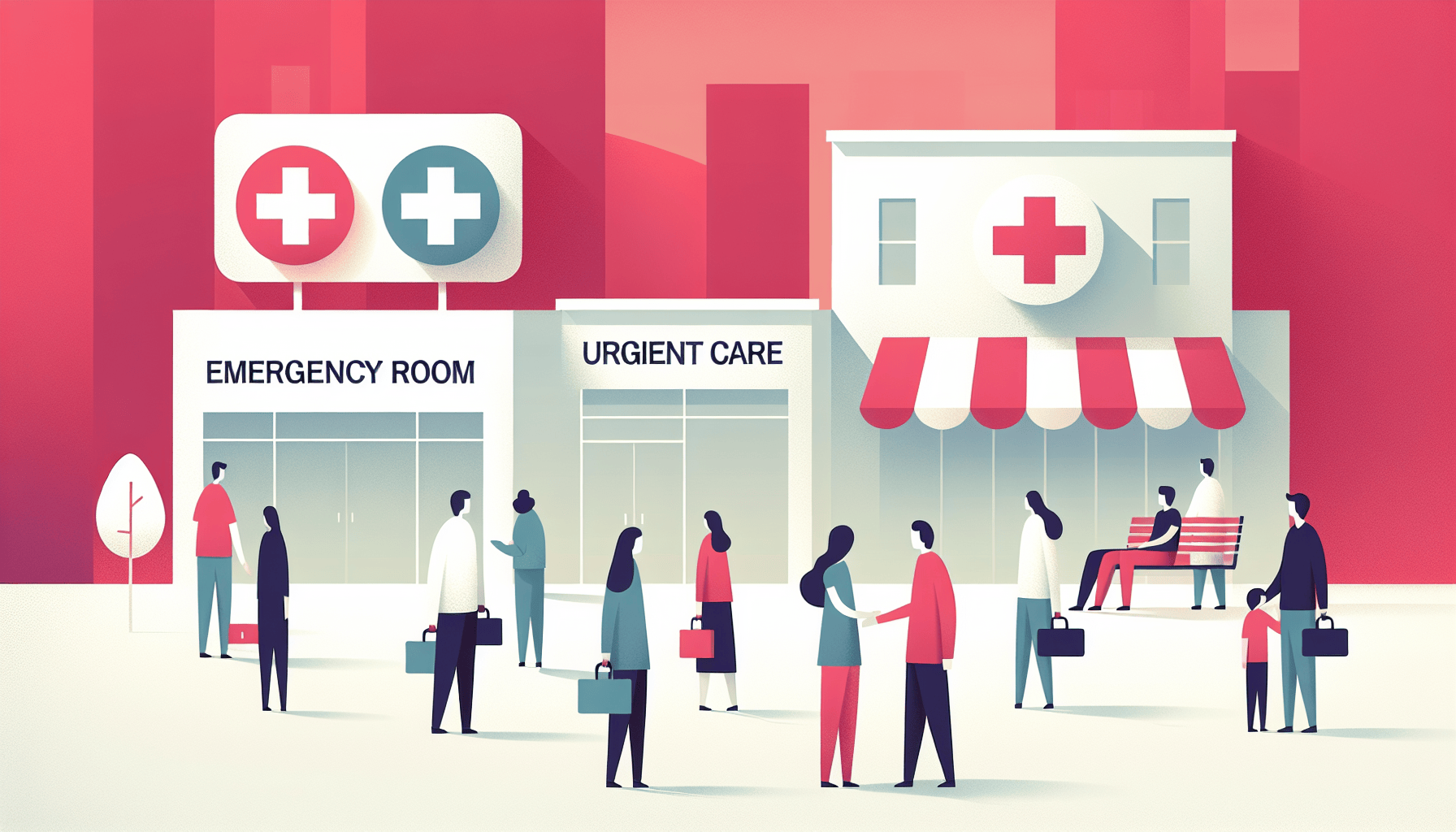
Understanding when to choose emergency room care versus alternatives can save thousands of dollars. Urgent care centers handle many conditions that send people to ERs, charging $100-$500 compared to ER visits costing $500-$3,000 for similar issues. Conditions like minor cuts, sprains, fevers, and basic infections often receive identical treatment at urgent care facilities.
Retail clinics at pharmacies offer basic care for $50-$200, treating conditions like strep throat, flu, and minor skin conditions. These clinics provide transparent pricing and quick service for straightforward medical needs. For non-urgent questions, you can visit an online doctor without insurance for consultations costing $30-$75.
However, certain situations require ER care despite the costs. Life-threatening emergencies, severe trauma, stroke symptoms, heart attack signs, and serious breathing problems need immediate emergency treatment. During peak times like Flu Season , ERs become particularly crowded and expensive, making alternative care options even more valuable for non-emergency situations.
The average ER visit without insurance costs between $1,000 and $2,500 for minor conditions and can exceed $20,000 for serious emergencies. Facility fees alone range from $150 to $3,000 just for walking through the door. The final bill depends on your diagnosis, the level of care needed, your location, and the type of hospital you visit.
No. Under the Emergency Medical Treatment and Labor Act (EMTALA), hospitals that accept Medicare must stabilize and treat any patient with a true medical emergency regardless of insurance status or ability to pay. You can be billed afterward, but you cannot be turned away in a life-threatening situation. Financial assistance options are available to address the bill once you have received care.
A facility fee is a charge hospitals add simply for using the emergency room, separate from any services you receive. It covers the cost of maintaining the ER around the clock, including staff, equipment, and supplies. For uninsured patients, this fee can range from $150 to $3,000 and appears on your bill even if treatment was brief.
Yes. Urgent care centers typically charge $100 to $500 for conditions like minor cuts, sprains, and fevers, compared to $500 to $3,000 for a similar ER visit. Retail pharmacy clinics handle basic needs like strep throat or flu symptoms for as little as $50 to $200. Telehealth and online doctor visits are another option for non-urgent questions, often costing $30 to $75 without insurance.
Start by requesting an itemized bill and reviewing it for errors. Then call the billing department and ask for the hospital's Medicaid or lowest contracted rate. If you can pay a portion upfront, ask about prompt-pay discounts, which typically range from 10% to 30%. You can also apply for the hospital's charity care program, which may reduce or eliminate the balance entirely based on your income.
ER visits without insurance create substantial financial burdens, with costs ranging from hundreds of dollars for minor issues to tens of thousands for serious conditions. The combination of facility fees, professional charges, and full retail pricing can overwhelm uninsured patients, but financial assistance programs and negotiation strategies can reduce these expenses. Understanding cost factors helps you make informed decisions about when emergency care is truly necessary versus when alternatives like urgent care or telemedicine might be appropriate. For non-emergency medical needs, Doctronic offers accessible healthcare with free AI consultations and affordable physician visits, helping you avoid unnecessary ER costs while still receiving quality care. Ready to take control of your health? Get started with Doctronic today.
Find the right care
Chat Now