
Heat Rash Treatment: Fast Relief for Prickly, Irritated Skin

Medically reviewed by Oghenefejiro Okifo | MD, Harvard Medical School | Henry Ford Hospital - Detroit, MI on April 26th, 2026.
Published on April 6th, 2026. Updated on July 24th, 2026.
Key takeaways
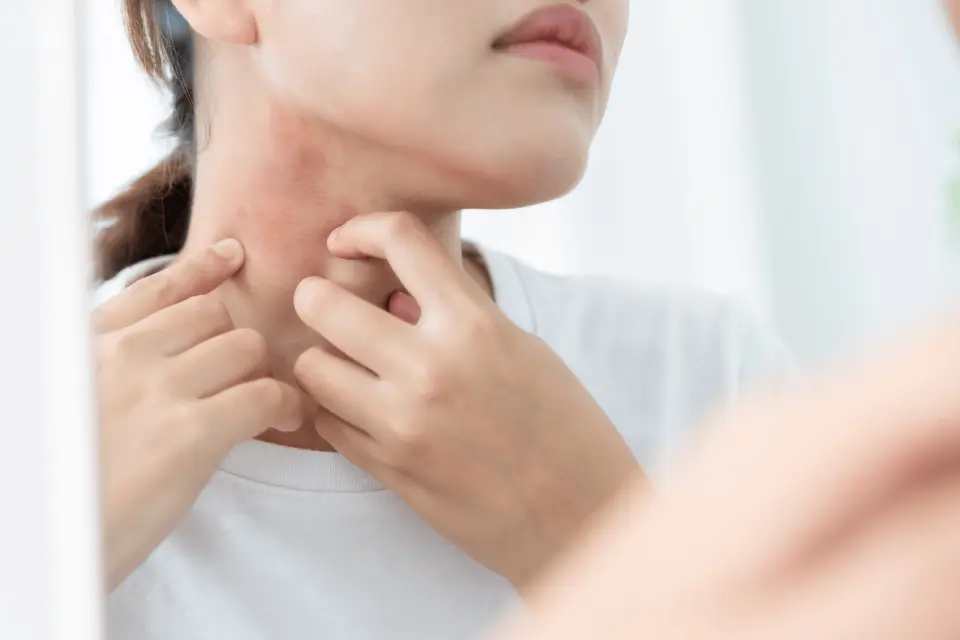
Heat rash (miliaria) occurs when blocked sweat ducts trap perspiration under the skin, producing small red bumps, blisters, or a prickling sensation that worsens with continued heat and humidity.
The fastest heat rash treatment is removing yourself from the heat source: move to a cool, air-conditioned space, change into loose, breathable clothing, and apply a cool, damp compress to the affected area.
Over-the-counter calamine lotion, 1% hydrocortisone cream, and oral antihistamines can each reduce itching and inflammation when basic cooling measures are not enough.
Avoid heavy moisturizers, oil-based creams, and tight synthetic clothing while heat rash is active, as they trap heat and block sweat ducts further.
Most heat rash resolves on its own within three to five days with proper care; see a doctor if you develop a fever, spreading redness, pus, or symptoms lasting beyond seven days.
If your rash is not improving with home care, Doctronic.ai connects you with licensed physicians 24/7 for same-day telehealth visits so you can get a clear diagnosis from home.
Why Heat Rash Is So Common and So Uncomfortable
Heat rash is one of the most frequent warm-weather skin complaints, affecting adults, children, and infants alike. The tiny irritated bumps on the chest, neck, back, or skin folds can range from mildly annoying to genuinely disruptive when the prickling itch interferes with sleep. Knowing the right heat rash treatment steps gets you to relief faster and prevents the condition from getting worse.
What Heat Rash Is (Miliaria)
Heat rash is medically called miliaria. It is not an allergic reaction and is not contagious. It is a mechanical problem: sweat glands produce perspiration and release it through tiny ducts, but when those ducts become obstructed by dead skin cells, bacteria, or heavy topical products, sweat cannot reach the surface. Instead, it leaks into surrounding tissue, triggering inflammation and the characteristic rash.
There are three forms. Miliaria crystallina, the mildest, produces small, clear blisters just below the outermost skin layer. Miliaria rubra, known as prickly heat, is the most common and causes the small red bumps and stinging sensation most people recognize. Miliaria profunda is a deeper, less common form that produces larger flesh-colored bumps and can impair sweating in affected areas.
Hot, humid weather, intense exercise, fever, tight clothing, and prolonged bed rest all favor duct blockage. Infants are especially vulnerable because their sweat ducts are narrower and still maturing.
Immediate Relief Steps
Step 1: Get Out of the Heat
The single most effective action is removing the trigger. Move to an air-conditioned space or, at a minimum, a shaded, well-ventilated area. The sweat ducts cannot begin clearing while they are still producing sweat under heat stress. Even a few minutes in front of a fan makes a difference if leaving is not immediately possible.
Step 2: Change Clothing
Remove any tight, synthetic, or moisture-trapping garments and change into loose, lightweight cotton. Avoid polyester and nylon against the rash, even if they are marketed as moisture-wicking, as those fabrics can still trap heat.
Step 3: Apply a Cool Compress
Soak a clean cloth in cool (not ice-cold) water, wring it out, and apply it gently to the affected area for ten to fifteen minutes. Repeat several times a day. Avoid ice packs directly on skin, which can cause irritation and restrict blood flow.
Step 4: Allow the Skin to Air Out
After removing the compress, let the skin air-dry rather than rubbing it with a towel. Keep the area uncovered and exposed to air as much as practically possible until the rash begins to fade.
Over-the-Counter Treatments
When cooling measures reduce but do not eliminate the discomfort, several over-the-counter options can help.
Calamine Lotion
Calamine lotion contains zinc oxide and ferric oxide. Applied with a cotton ball to the affected skin, it creates a mild cooling sensation as it dries and helps reduce surface itching. It is safe for adults and children and can be reapplied up to four times daily. Let it dry completely before covering the area with clothing. For information on exactly how calamine works and which rashes it helps most, see the article on heat rash treatment options.
1% Hydrocortisone Cream
Over-the-counter hydrocortisone cream reduces inflammation and relieves itching more directly than calamine by acting on the immune response in the skin. Apply a thin layer to the affected area once or twice daily. Do not use on the face or in skin folds without medical guidance, and do not apply under bandages or occlusive dressings. Limit use to seven days unless directed by a doctor. It is not recommended for infants under two without pediatric guidance.
Oral Antihistamines
If the itching is severe enough to disrupt sleep, a first-generation oral antihistamine such as diphenhydramine (Benadryl) can provide relief, though the drowsiness it causes means it is best taken at night. Non-drowsy second-generation antihistamines like loratadine or cetirizine can help during the day but are generally less potent for itch control. Antihistamines address the itch signal rather than the underlying duct blockage, so they work best alongside the cooling measures above.
What to Avoid
Heavy Creams and Oil-Based Products
Thick moisturizers, petroleum jelly, and oil-based body lotions feel soothing but act as an occlusive barrier that prevents sweat from reaching the skin surface. Applying these to active heat rash can worsen the blockage and prolong the rash. Stick to lightweight, water-based products if you need to moisturize nearby areas.
Tight or Synthetic Clothing
Clothing that presses against the skin or does not breathe traps heat and creates friction, both of which aggravate miliaria. This includes compression garments, tight waistbands, bra straps over a rash, and anything made of non-breathable synthetic material against the affected skin.
Prolonged Heat Exposure
Returning to a hot environment before the rash clears will restart sweat duct pressurization and delay healing. If heat exposure is unavoidable for work or other reasons, prioritize cooling breaks, hydration, and loose clothing as much as possible.
Scratching
Scratching feels momentarily satisfying, but damages the skin barrier and introduces bacteria. Secondary infection of heat rash is one of the main reasons it escalates from a mild annoyance to a medical problem. Trim fingernails and use cool compresses or calamine to manage the urge to scratch.
Heat Rash in Infants and Children
Infants get heat rash more easily than adults because their sweat glands are still developing. Common sites include the neck, chest, diaper area, and any skin fold. Keep the baby in a cool, well-ventilated space; dress them in loose, lightweight cotton; and avoid overdressing at night. Skip talcum powder and heavy creams on the rash. Lukewarm baths can help. Calamine lotion is generally safe for children over two; for younger infants, consult a pediatrician before applying any topical treatment.
Get rash treatment online today
A licensed doctor can review your symptoms and send a prescription to your pharmacy, often the same day.
- $39 video visit
- Insurance accepted
- 4.8 on Trustpilot
Related medications we prescribe
Learn moreWhen to See a Doctor
Most heat rash clears within three to five days with the steps above. Seek medical attention if:
A fever develops alongside the rash
The rash spreads rapidly beyond the original area
Bumps become filled with pus or turn warm, crusty, or swollen
Significant swelling or redness spreads outward from the rash
Symptoms persist beyond seven days despite consistent home care
The person affected is elderly, has diabetes, or has a condition that impairs immune function
An infant under three months develops any skin rash with fever
These signs may indicate secondary bacterial infection or a different condition that requires prescription treatment. What looks like heat rash can occasionally be something else. Skin rashes and itchy skin take many forms, and a telehealth visit is a fast, low-friction way to get a clinical opinion without needing an in-person appointment.
Heat Rash vs. Other Rashes
It is easy to mistake heat rash for other conditions. Contact dermatitis follows the pattern of whatever touched the skin and is often more intensely red and weeping. Folliculitis centers on individual hair follicles and frequently shows a small white head at each bump. Eczema produces dry, scaly, thickened skin alongside redness, and while heat can trigger a flare, eczema is a distinct ongoing condition. A rash on the stomach or torso can have several distinct causes worth knowing about, as covered in the article on a rash on the stomach or torso.
Prevention Tips
Reducing heat rash comes down to managing sweat production and keeping sweat ducts clear. Stay in air-conditioned or well-ventilated spaces during peak heat hours, and use fans to improve air circulation. Wear loose, light-colored, breathable cotton clothing, and change promptly after heavy exercise rather than staying in damp athletic wear. Shower after sweating heavily to remove dead skin cells and residue that can block ducts, and pat dry rather than rubbing. Keep indoor humidity below 60 percent when possible, as high humidity slows the evaporation that normally cools the skin. If you are starting work in a hotter climate or environment, acclimatize gradually over several days rather than jumping into full heat exposure immediately.
Frequently Asked Questions
Miliaria crystallina (the clear blister type) typically clears within one to two days once the skin cools and dries. Miliaria rubra (prickly heat) usually resolves within three to five days with proper treatment. If the rash persists beyond seven days or is getting worse rather than better, that is a signal to seek medical evaluation.
It depends on the lotion. Lightweight, water-based formulas and specific treatments like calamine lotion or 1% hydrocortisone cream are appropriate. Heavy, oil-based moisturizers and anything marketed as a barrier cream should be avoided on active heat rash because they can worsen sweat duct blockage. When in doubt, keep the skin cool and dry rather than applying products.
No. Heat rash is not contagious. It is caused by a mechanical blockage of sweat ducts, not by a virus, bacteria, or fungus that can be passed from person to person. Multiple people in the same hot environment can develop it independently, which sometimes gives the impression it is spreading, but each case is entirely separate.
Sunburn is caused by UV radiation damaging the outer skin layers, producing widespread redness and pain that appears hours after exposure. Heat rash is caused by blocked sweat ducts and produces small, raised bumps with a prickling sensation. The two can occur together after prolonged outdoor activity, but have different causes and treatments.
Adults get heat rash regularly, particularly in hot, humid conditions or during illness with fever. It is more commonly discussed in infants because their sweat gland development makes them more vulnerable, but adults who exercise intensely, work in hot environments, or spend prolonged time in bed with a fever are frequently affected.
The Bottom Line
Heat rash treatment comes down to one principle: remove the conditions trapping sweat. Get to a cooler space, change into loose clothing, apply cool compresses, and let the skin breathe. For persistent or itchy cases, calamine lotion and 1% hydrocortisone cream provide targeted relief without worsening the blockage. Avoid heavy creams, synthetic clothing, and further heat exposure while the rash heals. Fever, pus, or no improvement after a week are signals to get a medical opinion. Doctronic.ai connects you with licensed physicians 24/7 through same-day telehealth visits so you get answers without leaving home.
Related articles
Explore treatment options
Chat Now