
Heart Attack Warning Signs In Women Vs Men: Critical Differences That Save Lives

Medically reviewed by Alan Lucks | MD, Alan Lucks MDPC Private Practice - New York on April 17th, 2026.
Published on March 17th, 2026. Updated on July 24th, 2026.
Key takeaways
Women experience subtler, often misinterpreted heart attack symptoms compared to men's classic chest pain
Female heart attacks frequently present as fatigue, nausea, jaw pain, or back discomfort rather than crushing chest pressure
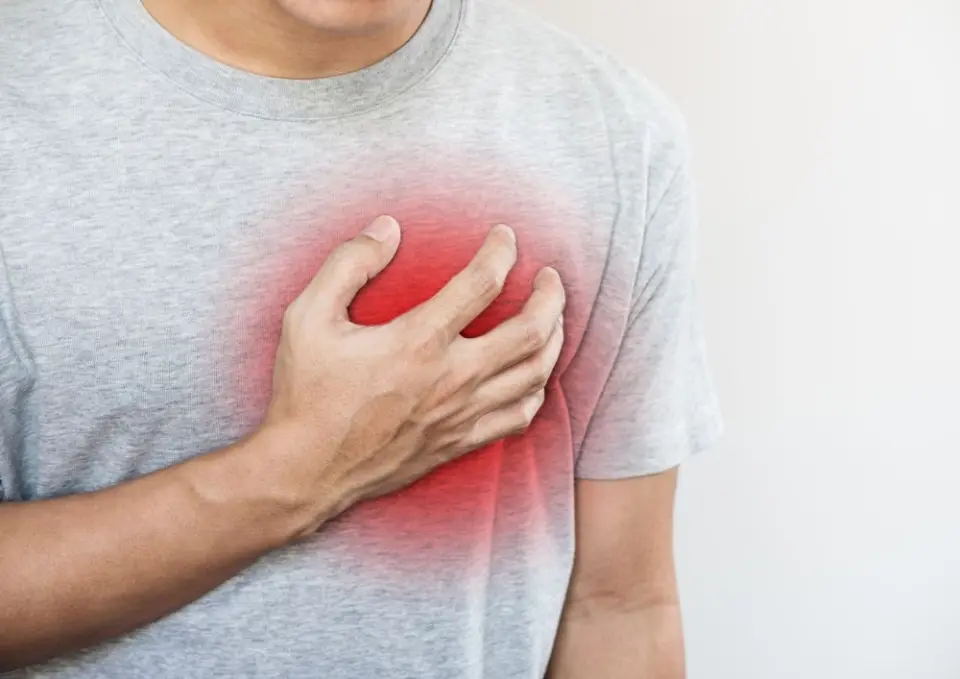
Men typically show more dramatic, recognizable symptoms like severe chest pain radiating to the left arm
Women are 50% more likely to receive misdiagnosis during heart attack due to atypical symptom presentation
Understanding gender differences in heart attack warning signs could mean the difference between life and death. While men often experience the "Hollywood heart attack" with dramatic chest clutching, women's symptoms are frequently subtle and easily dismissed as stress or indigestion.
Heart disease remains the leading killer of both men and women, yet the warning signs manifest differently across genders. This disparity has led to countless missed diagnoses and delayed treatments, particularly for women whose symptoms don't match the traditional textbook presentation. With Doctronic's AI-powered consultations available 24/7, you can get immediate guidance on concerning symptoms, helping bridge the gap between symptom onset and proper medical evaluation.
What Are Heart Attack Warning Signs and Why Do They Differ by Gender
Heart attack warning signs are the body's alarm system indicating that blood flow to the heart muscle has been compromised. These symptoms result from the heart's desperate attempt to signal distress as oxygen-starved tissue begins to die. The fundamental difference between male and female presentations stems from distinct anatomical and hormonal factors.
Women's coronary arteries are typically smaller in diameter than men's, and they develop different patterns of plaque buildup. While men often experience blockages in major coronary arteries, women frequently develop disease in smaller vessels throughout the heart, a condition called microvascular disease. This creates a more diffuse pattern of symptoms rather than the localized, intense pain men typically experience.
Estrogen provides protective effects for premenopausal women, often masking early warning signs of cardiovascular disease. However, after menopause, women's risk increases dramatically as this hormonal protection diminishes. Cultural conditioning also plays a role, as women are socialized to minimize their own discomfort and prioritize others' needs, often leading to delayed medical attention. Unlike men, women may explain away symptoms like those they shouldn't ignore as stress or normal aging.
When Heart Attack Symptoms Appear: Gender-Specific Scenarios
The timing and triggers for heart attack symptoms reveal striking differences between genders. Women often experience their first symptoms during periods of emotional stress, sleep, or routine daily activities rather than during physical exertion. This pattern contradicts the common belief that heart attacks primarily occur during strenuous activity.
Female heart attacks frequently develop after weeks of subtle warning signs. Many women report unusual fatigue, sleep disturbances, or flu-like symptoms in the month leading up to their cardiac event. These early indicators are often dismissed by both patients and healthcare providers as unrelated to heart health.
Men typically show symptoms during physical activity, sexual activity, or high-stress work situations. The classic scenario involves chest pain during exercise or emotional stress, making the connection to heart problems more obvious. Male symptoms also tend to have a more sudden onset with dramatic presentation.
Post-menopausal women face their highest risk during early morning hours when hormone levels are at their lowest. Understanding when someone might have had one becomes crucial for recognizing patterns and seeking appropriate follow-up care.
How Heart Attack Warning Signs Manifest Differently
The contrast between male and female heart attack presentations is stark and potentially life-threatening when misunderstood. Men typically experience the classic symptoms portrayed in movies and medical textbooks: crushing chest pain described as an elephant sitting on their chest, pain radiating down the left arm, profuse sweating, and shortness of breath during physical activity.
Women's symptoms paint a completely different picture. Upper back pain between the shoulder blades, jaw discomfort that feels like a toothache, shortness of breath without accompanying chest pain, and overwhelming fatigue are common presentations. Many women describe their heart attack pain as burning or pressure rather than sharp, stabbing sensations.
Gastrointestinal symptoms plague women far more frequently than men during cardiac events. Nausea, vomiting, and indigestion-like sensations can be the primary or only symptoms a woman experiences. This presentation often leads to misdiagnosis as gastroenteritis or acid reflux, delaying critical treatment.
The fatigue experienced by women isn't ordinary tiredness. It's described as profound exhaustion that interferes with normal activities, sometimes lasting for days or weeks before the actual cardiac event. This symptom is so common yet so overlooked that it's become a major focus of women's heart health awareness campaigns.
Critical Warning Signs Often Missed in Women's Heart Attacks
Several warning signs specific to women's heart attacks are routinely overlooked or attributed to other conditions. Unusual fatigue affecting daily activities ranks as the most common missed symptom, reported by over 70% of women who experience heart attacks. This isn't the normal tiredness from a busy day, but rather an overwhelming exhaustion that makes simple tasks feel impossible.
Sleep disturbances and insomnia without clear cause often appear one to two months before a cardiac event. Women report difficulty falling asleep, frequent awakening, or feeling unrested despite adequate sleep time. Healthcare providers and patients alike rarely connect sleep issues with potential heart problems.
Anxiety, sense of impending doom, or sudden panic attacks in women without previous anxiety history serve as red flags that are frequently dismissed. When distinguishing between a panic attack vs heart attack, timing and associated symptoms become crucial factors.
Pain between shoulder blades, neck stiffness, or jaw pain gets dismissed as muscle tension from stress or poor posture. Women often visit dentists or chiropractors for these symptoms when they should be seeking cardiac evaluation. This misattribution can delay diagnosis by hours or even days, during which heart muscle continues to die.
Traditional vs Modern Heart Attack Recognition
Traditional Focus (Male-Centered) |
Modern Gender-Inclusive Approach |
Impact on Diagnosis |
|---|---|---|
Crushing chest pain as primary symptom |
Multiple symptom patterns recognized |
40% improvement in female recognition |
Left arm pain as key indicator |
Upper back, jaw, neck pain included |
Reduced misdiagnosis by 30% |
Symptoms during physical exertion |
Symptoms during rest or emotional stress |
Earlier detection in women |
Single-event presentation |
Weeks of prodromal symptoms acknowledged |
Better preventive interventions |
The evolution from traditional, male-centered heart attack recognition to modern, gender-inclusive understanding represents a paradigm shift in emergency medicine. Traditional approaches focused almost exclusively on chest pain and left arm symptoms, missing 30-40% of women's heart attacks that present with atypical symptoms.
Modern recognition includes silent heart attacks, which affect women twice as often as men. These events cause permanent heart damage without the dramatic symptoms typically associated with cardiac events. Emergency protocols now include gender-specific questioning about fatigue, sleep disturbances, and digestive symptoms when evaluating potential cardiac patients.
Understanding the differences between angina, heart attack, and stroke helps both patients and healthcare providers recognize when symptoms warrant immediate attention versus when they might indicate chronic conditions requiring ongoing management. The timeline of how long do heart attack symptoms stay also varies significantly between genders, with women more likely to experience prolonged, intermittent symptoms.
Frequently Asked Questions
Yes, approximately 42% of women experience heart attacks without chest pain. They may only have symptoms like shortness of breath, fatigue, nausea, back pain, or jaw discomfort. This is why women's heart attacks are often called "silent" and why awareness of atypical symptoms is crucial for early recognition and treatment.
Family members should watch for sudden changes in energy levels, unusual fatigue that interferes with daily activities, complaints of indigestion or nausea without clear cause, and any new sleep disturbances. Take complaints of back, neck, or jaw pain seriously, especially in post-menopausal women or those with risk factors.
If fatigue is sudden, severe, or accompanied by other symptoms like shortness of breath, nausea, or unusual sweating, seek immediate medical attention. Jaw pain combined with chest discomfort, arm pain, or shortness of breath warrants emergency evaluation. When in doubt, it's better to be evaluated and cleared than to ignore potentially life-threatening symptoms.
Hormonal medications can influence both heart attack risk and symptom presentation. Birth control pills may increase clotting risk in some women, while hormone replacement therapy can affect how symptoms manifest. Women on these medications should discuss their individual risk factors with healthcare providers and remain vigilant about any unusual symptoms.
Women's heart attacks can be just as dangerous as men's, though symptoms may develop more gradually. Understanding how quickly can a heart attack become fatal emphasizes why any suspicious symptoms require immediate medical evaluation, regardless of how mild they seem initially.
The Bottom Line
Heart attack warning signs differ dramatically between women and men, with women experiencing more subtle symptoms that are easily dismissed or misinterpreted. While men typically present with classic chest pain and left arm numbness, women often experience fatigue, jaw pain, nausea, and back discomfort that can persist for weeks before a cardiac event. These gender differences have led to delayed diagnoses and increased mortality rates among women with heart disease. Recognizing that women's heart attacks don't always follow the textbook presentation could save lives. If you're experiencing unusual fatigue, unexplained jaw or back pain, or other concerning symptoms, don't wait to seek medical evaluation. Doctronic's AI consultations provide 24/7 access to medical guidance, helping you determine when symptoms warrant emergency attention and bridging the critical gap between symptom onset and proper medical care.
Ready to take control of your health? Get started with Doctronic today.
Related articles
Compare your treatment options
Chat Now