Diseases and Conditions
How to Speed Up Muscle Strain Recovery: A Step-by-Step Guide
April 9, 2026
7 min read

Medically reviewed by Alan Lucks | MD, Alan Lucks MDPC Private Practice - New York on April 20th, 2026.
Published on March 17th, 2026. Updated on July 23rd, 2026.
Grade 1 hamstring strains typically heal within 2-6 weeks with proper care
Grade 2 strains require 6-10 weeks for full recovery and return to sport
Grade 3 complete tears may need 4-6 months including potential surgical intervention
Recovery phases follow predictable patterns: acute, repair, remodeling, and functional return
Hamstring strains are among the most common sports injuries, affecting up to 29% of athletes annually. Understanding your specific recovery timeline helps set realistic expectations and prevents re-injury from rushing back too soon. Whether you're a weekend warrior who felt that familiar pop during your morning run or a recreational athlete dealing with persistent posterior thigh pain, knowing what to expect during your healing journey is crucial for a successful return to activity.
The recovery process isn't just about waiting for pain to subside. It involves distinct biological phases that your body must complete to rebuild stronger, more resilient muscle tissue. With proper guidance and realistic expectations, most people can navigate their hamstring strain recovery timeline successfully and reduce their risk of future injuries.
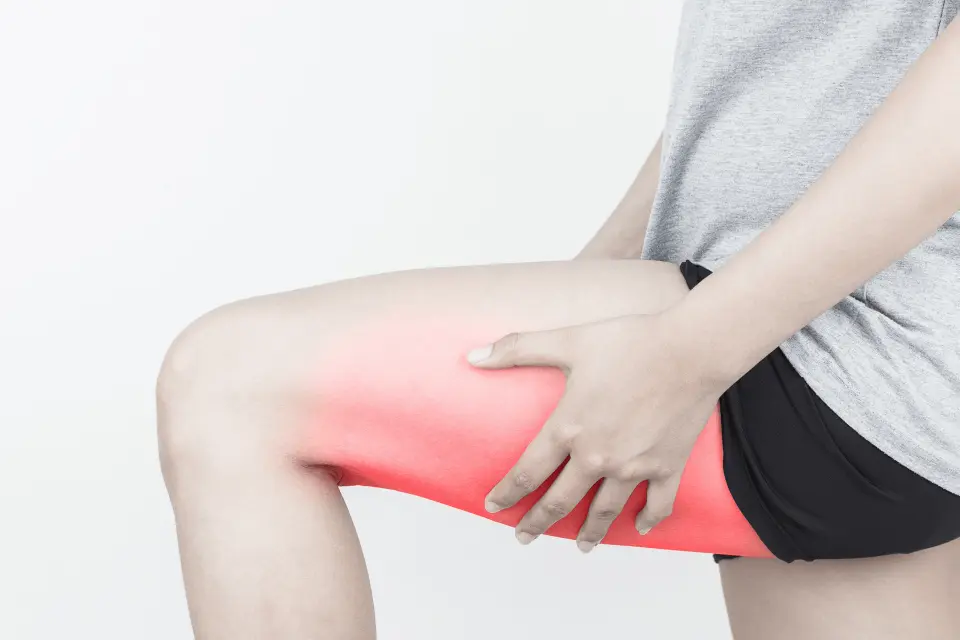
Hamstring strain recovery timelines depend heavily on the severity of your initial injury. Grade 1 strains involve minor muscle fiber damage with 10-25% strength loss and typically heal within 2-6 weeks. These minor injuries often feel like a tight or cramping sensation in the back of your thigh, with minimal swelling and only mild discomfort during walking.
Grade 2 strains include partial muscle tears affecting 25-50% of muscle fibers, requiring 6-10 weeks for complete recovery. Athletes with grade 2 injuries experience sharp pain during the initial injury, noticeable swelling within 24 hours, and significant difficulty walking normally. The healing process takes longer because your body needs to repair more extensive tissue damage.
Grade 3 strains represent complete muscle rupture and require the longest recovery timeline, often 4-6 months including potential surgical intervention. Similar to how a muscle strain in other areas requires immediate attention, complete hamstring tears need prompt medical evaluation. Location also matters significantly - proximal hamstring injuries near your hip heal slower than mid-belly strains due to reduced blood flow in that region.
Several key factors can either accelerate or delay your hamstring strain healing process. Age significantly impacts your recovery timeline, with athletes over 30 typically needing 20-30% longer recovery periods compared to younger individuals. This happens because older adults have slower tissue repair mechanisms and reduced muscle regeneration capacity.
Previous hamstring injuries create scar tissue that affects healing speed and increases your risk of re-injury. Studies show that athletes with prior hamstring strains face a 12-63% chance of recurrence, particularly if they rushed back to activity during their previous recovery. Your concurrent activities and training load also influence recovery progression - maintaining some activity helps healing, but too much too soon can set you back weeks.
Early intervention within 48 hours can reduce your total recovery time by several weeks. Just like learning to recover faster from illness requires immediate action, addressing hamstring strains quickly with proper rest, ice, and gentle movement gives your body the best chance for efficient healing.
Your hamstring strain recovery follows four distinct biological phases, each with specific timeframes and goals. The acute phase lasts 0-72 hours and focuses on controlling inflammation and pain through rest, ice application, and gentle range of motion exercises. During this critical period, your body initiates the inflammatory response necessary for healing while you work to prevent excessive swelling.
The repair phase spans 3 days to 6 weeks and involves collagen formation and tissue rebuilding. Your body creates new muscle fibers and begins connecting torn tissue ends. Pain gradually decreases during this phase, but your muscle remains vulnerable to re-injury if you push too hard too soon.
The remodeling phase occurs from 6-16 weeks and strengthens new tissue through progressive loading. Similar to other injury recovery processes, like recovering from a sprained ankle, this phase requires carefully graduated exercises to build strength without causing setbacks. Your newly formed muscle fibers align themselves along lines of stress and gradually return to normal strength levels.
The functional return phase requires sport-specific testing before clearance to full activity. This phase ensures your hamstring can handle the demands of your chosen sport or activity without breaking down again.
Tracking specific functional markers helps you gauge whether your recovery is progressing normally. Pain-free walking typically returns within 3-7 days for grade 1 strains, though you may still feel mild discomfort with sudden movements or stretching. If walking remains painful beyond this timeframe, you may have a more severe injury than initially thought.
Full range of motion restoration occurs at 1-3 weeks depending on injury severity. You should be able to touch your toes and perform gentle hamstring stretches without sharp pain. Running tolerance develops at 2-4 weeks for minor strains but may take 6-8 weeks for grade 2 injuries. Start with easy jogging and gradually increase pace and distance.
Sport-specific movements require 80% strength return before safe participation. This includes activities like sprinting, jumping, or cutting movements that place high demands on your hamstring. Many athletes feel ready before they actually are, which explains the high re-injury rates seen with premature returns to activity.
Grade |
Initial Symptoms |
Walking Timeline |
Return to Sport |
|---|---|---|---|
Grade 1 |
Mild tightness, minimal pain |
3-7 days pain-free |
2-6 weeks |
Grade 2 |
Sharp pain, noticeable swelling |
1-2 weeks normal gait |
6-10 weeks |
Grade 3 |
Severe pain, inability to walk |
2-4 weeks with assistance |
4-6 months |
Understanding how hamstring strains compare to other muscle injuries helps set realistic expectations for your recovery. Hamstrings heal 15-20% slower than quadriceps strains due to their poor blood supply, particularly in the area near your hip where the muscle attaches to bone. This reduced circulation means nutrients and healing factors take longer to reach damaged tissue.
Calf strain recovery averages 2-4 weeks compared to hamstring recovery times of 4-8 weeks for similar injury grades. The better blood flow to calf muscles enables faster healing, though both injuries require similar rehabilitation approaches. Groin strains show similar timelines to hamstring injuries but tend to have lower re-injury rates, possibly because athletes are more cautious about returning to activity with groin pain.
Conservative treatment remains preferred over surgery except for complete avulsion injuries where the muscle tears completely away from bone. Like other treatments such as a broken toe that heals well with conservative care, most hamstring strains respond excellently to non-surgical management when given adequate time and proper rehabilitation.
While you can't dramatically shorten healing time, early gentle movement, proper nutrition, adequate sleep, and following a structured rehabilitation program can optimize your recovery. Avoid aggressive stretching or premature return to running, as these often delay healing.
Normal healing shows gradual pain reduction, improving walking comfort within a week, and increasing range of motion without sharp pain. Persistent or worsening pain, inability to walk normally after 7-10 days, or recurring symptoms suggest delayed healing.
Returning too soon significantly increases re-injury risk, often resulting in a more severe strain that requires longer recovery time. Studies show hamstring re-injury rates of 12-63% when athletes rush back before achieving full strength and range of motion.
Imaging helps with severe injuries or when healing stalls, but most grade 1-2 strains can be managed based on symptoms and functional progress. MRI may be warranted for grade 3 injuries or when considering surgical options for complete tears.
Seek medical attention for severe pain preventing walking, visible muscle deformity, numbness or tingling, or lack of improvement after 1-2 weeks. Doctronic's AI consultations can help assess your symptoms and determine if professional evaluation is needed.
Hamstring strain recovery follows predictable timelines based on injury severity, with grade 1 strains healing in 2-6 weeks, grade 2 taking 6-10 weeks, and grade 3 requiring months of rehabilitation. Success depends on accurately assessing your injury severity, respecting the biological healing phases, and avoiding the temptation to return to activity before achieving adequate strength and flexibility. Patient adherence to phased rehabilitation and avoiding premature return prevents the high re-injury rates commonly seen with hamstring strains. With over 22 million consultations completed and 99.2% treatment plan alignment with board-certified physicians, Doctronic can help you navigate your recovery timeline and determine when professional care might be beneficial for your specific situation.
Ready to take control of your health? Get started with Doctronic today.
Get pain relief advice
Chat Now
Join 50,000+ readers using Doctronic to understand symptoms, medications,
and next steps.
Add your phone number below to get health updates and exclusive VIP offers.
By providing your phone number, you agree to receive SMS updates from Company. Message and data rates may apply. Reply “STOP” to opt-out anytime. Read our Privacy Policy and Terms of Service for more details.
Save your consults. Talk with licensed doctors and manage your health history.