Symptoms and Diagnosis
Understanding Fainting: Causes, Symptoms, and When to Seek Help
September 9, 2023
3 min read

Medically reviewed by Alan Lucks | MD, Alan Lucks MDPC Private Practice - New York on May 13th, 2026.
Published on March 20th, 2026. Updated on July 23rd, 2026.
Check for responsiveness and breathing before moving an unconscious person
Position the person on their back with legs elevated 8-12 inches above heart level
Loosen tight clothing around neck and waist to improve circulation
Call 911 if the person doesn't regain consciousness within 2 minutes
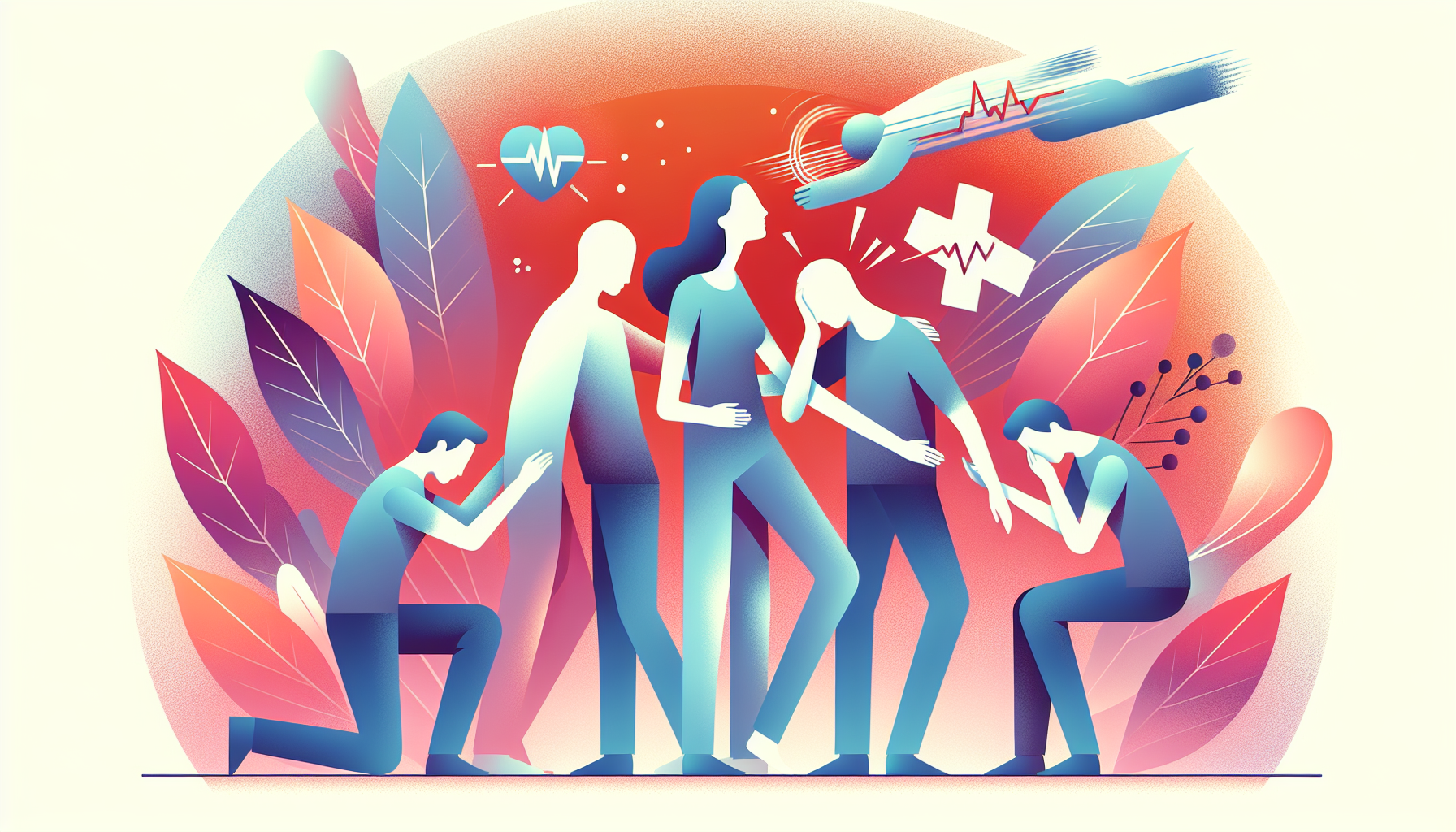
Fainting can happen to anyone, anywhere. Whether you're at work, school, or out in public, witnessing someone suddenly collapse can be frightening and overwhelming. Knowing proper first aid for fainting could help you save someone's life or prevent serious injury during a medical emergency. Quick, appropriate action makes the difference between a minor incident and a potentially dangerous situation. With the right knowledge and preparation, you can confidently respond when someone needs help. Doctronic's AI-powered consultations are available 24/7 to guide you through medical questions and emergency preparation.
Fainting, medically known as syncope, is a temporary loss of consciousness caused by reduced blood flow to the brain. This sudden drop in blood supply typically lasts only one to two minutes, but the underlying causes can vary significantly. Understanding these mechanisms helps you recognize when someone might be about to faint and when immediate intervention is necessary.
Common triggers include dehydration, standing up too quickly (orthostatic hypotension), extreme heat, emotional stress, pain, or prolonged standing. Medical conditions like heart problems, diabetes, or blood pressure issues can also increase fainting risk. Just as recognizing drowning signs and first aid requires specific knowledge, identifying fainting symptoms helps you respond appropriately.
Warning signs before fainting include dizziness, nausea, pale or clammy skin, tunnel vision, and feeling weak or unsteady. The person might mention feeling hot, sweaty, or like the room is spinning. Some individuals experience a gradual onset, while others collapse without warning. Recovery typically involves a gradual return to normal consciousness as blood flow to the brain is restored.
Simple fainting episodes usually resolve within two minutes once the person is positioned properly and blood flow returns to normal. The individual should have detectable breathing and pulse throughout the episode. These situations benefit from basic first aid positioning and supportive care while consciousness returns naturally.
However, call 911 immediately if the person remains unconscious longer than two minutes, has no detectable pulse, or stops breathing. Emergency signs include chest pain, difficulty breathing, seizure activity, or head injury from falling. Unlike conditions where r symptoms point to ms and develop gradually, fainting emergencies require immediate assessment and quick decision-making.
Recurring fainting episodes, especially in elderly adults or those with known heart conditions, diabetes, or other chronic illnesses, warrant medical evaluation even if the person recovers quickly. Pregnant women who faint, particularly during the trimester of pregnancy when blood pressure changes are common, should also receive prompt medical attention.
Begin by checking responsiveness through gentle tapping on the shoulders while calling their name loudly. Avoid shaking or moving the person roughly, as they might have sustained a neck or back injury during the fall. If they don't respond but are breathing normally, proceed with positioning techniques.
Position the person flat on their back on a firm surface, then elevate their legs 8-12 inches above heart level using pillows, folded clothing, or any available support. This positioning helps blood flow return to the brain and often speeds recovery. Similar to proper techniques used in seizure first aid, correct positioning is crucial for safety and effectiveness.
Loosen any restrictive clothing around the neck, chest, and waist to improve blood circulation and breathing. Remove ties, tight collars, belts, or jewelry that might restrict blood flow. Monitor the person's breathing and pulse while waiting for consciousness to return naturally. Most people regain awareness within one to two minutes when properly positioned.
Ensure the person's airway remains clear by tilting their head slightly back and gently lifting their chin. This prevents the tongue from blocking the airway while they're unconscious. Check that their mouth is clear of any objects, food, or fluids that could cause choking.
Provide cooling support by placing a cool, damp cloth on their forehead and wrists to help regulate body temperature. This is especially important if fainting occurred due to heat exposure or overheating. Create a calm environment by clearing the surrounding area of hazards and asking onlookers to give the person space to breathe and recover.
Once the person regains consciousness, keep them lying down for 10-15 minutes before attempting to sit up. This prevents another fainting episode that could occur if they stand too quickly. Telemedicine: virtual consultations can provide immediate guidance during recovery if you have questions about next steps or ongoing symptoms.
Understanding the difference between fainting and more serious cardiac emergencies helps you choose the right response. This comparison clarifies when to use supportive positioning versus life-saving interventions.
Situation |
Signs |
Response |
Urgency |
|---|---|---|---|
Simple Fainting |
Pulse present, breathing normal, brief unconsciousness |
Position flat, elevate legs, monitor |
Low-moderate |
Cardiac Event |
No pulse, no breathing, prolonged unconsciousness |
Start CPR, call 911, use AED if available |
Critical |
Complex Fainting |
Pulse present but irregular, difficulty breathing |
Monitor closely, prepare for CPR, call 911 |
High |
Fainting first aid applies when the person has a detectable pulse and normal breathing but remains unconscious. The goal is supporting natural recovery through proper positioning and monitoring. However, CPR becomes necessary when fainting indicates cardiac arrest, respiratory failure, or the absence of vital signs.
Just as you wouldn't treat a sprained ankle the same way as a fracture, distinguishing between fainting and cardiac emergencies ensures appropriate care. Fainting typically resolves with time and positioning, while cardiac events require immediate chest compressions and emergency medical intervention.
Call 911 if the person doesn't regain consciousness within two minutes, has no pulse, stops breathing, or shows signs of injury from falling. Also call immediately if they have chest pain, seizures, or difficulty breathing upon awakening.
No, avoid giving anything to eat or drink initially. The person might still be disoriented and could choke. Wait until they're fully alert and sitting up comfortably before offering small sips of water.
Only if you can safely break their fall without injuring yourself. Try to guide them down gently rather than catching their full weight. Focus on protecting their head from hitting hard surfaces when possible.
Seek immediate medical attention for recurring episodes, even if the person recovers quickly. Multiple fainting episodes can indicate serious underlying conditions requiring professional evaluation and treatment.
No, avoid smelling salts or other stimulants. These substances can cause harmful reactions and aren't necessary for fainting recovery. Proper positioning and time are safer and more effective than chemical stimulants.
Proper first aid for fainting involves quick assessment, appropriate positioning with elevated legs, and careful monitoring until consciousness returns naturally. Unlike more complex emergencies that might require aid for burns or other specialized treatments, fainting response focuses on supporting the body's natural recovery process. The key is distinguishing between simple fainting and serious medical emergencies that require immediate professional intervention. Remember to call 911 if the person doesn't wake up within two minutes, shows signs of injury, or has concerning symptoms like chest pain or difficulty breathing. Having these skills helps you respond confidently when someone needs help during a fainting episode.
Ready to take control of your health? Get started with Doctronic today.
Get urgent medical guidance today
Chat Now
Join 50,000+ readers using Doctronic to understand symptoms, medications,
and next steps.
Add your phone number below to get health updates and exclusive VIP offers.
By providing your phone number, you agree to receive SMS updates from Company. Message and data rates may apply. Reply “STOP” to opt-out anytime. Read our Privacy Policy and Terms of Service for more details.
Save your consults. Talk with licensed doctors and manage your health history.